
Port Arthur, Tasmania
Historic penal settlement on the Tasman Peninsula in Tasmania, Australia, notable for convict-era ruins, a World Heritage listing as part of the Australian Convict Sites, and major heritage tourism.
Overview
Port Arthur is a small historic settlement located on the Tasman Peninsula in Tasmania, Australia. It sits in a sheltered harbour about 80 km southeast of Hobart and is one of the best-preserved examples of a convict-era site in the country.
Image gallery
10 Images


History and function
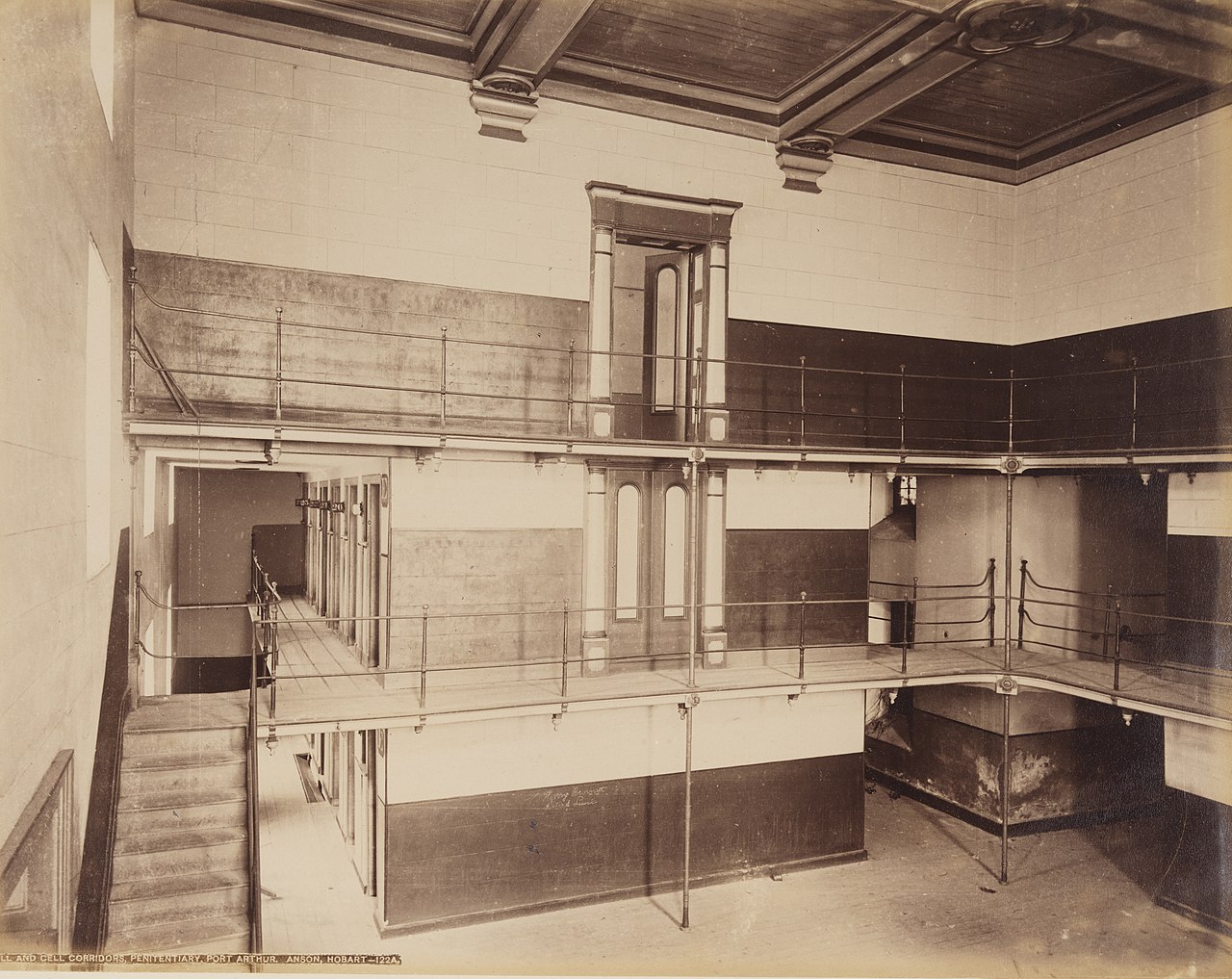
Established in the early 19th century as a purpose-built penal colony, Port Arthur developed as a remote centre for secondary punishment where offenders considered difficult or resistant to reform were sent. The complex operated more like a large prison than a civilian township and was intended to isolate and control transported convicts through a combination of hard labour, surveillance and strict routines.
Layout, buildings and archaeology
The site contains a mix of standing buildings, ruins, workshops, guardrooms, churches and burial grounds. Its surviving fabric and archaeological deposits document construction techniques, material culture and the organisation of work and punishment. Rather than reconstructing every element, conservation has focused on stabilising structures and presenting their significance through interpretation and material evidence.
Heritage recognition
Port Arthur was inscribed by UNESCO on the list of World Heritage Sites as part of the group known as the Australian Convict Sites. The listing recognises the site's role in demonstrating imperial penal policy, forced labour systems and the global practice of transportation during the colonial era.
Tragedy and commemoration
In 1996 Port Arthur was the scene of a mass shooting that deeply affected the local community and the nation. The event remains a sensitive part of the site’s recent history and is considered in interpretive material and memorials. The response combined grief, community support and public debate about safety and remembrance.
Tourism, research and education
Today Port Arthur is one of Tasmania's leading heritage attractions, managed to support visitor education, historical research and conservation. Exhibitions, guided tours and interpretive signage help convey the social history of transportation, convict life and colonial governance. The site also supports archaeological study and archival research.
Community and population
The surrounding locality remains sparsely populated; according to the 2006 census the wider area had a small resident population that contrasts with the many day visitors and international tourists drawn to the precinct each year.
Significance: Port Arthur is valued for its exceptional survival of convict-era buildings and landscapes, for the stories of those who lived and worked there, and for the way it prompts reflection on punishment, colonialism and heritage practice.
Questions and answers
Q: Where is Port Arthur located?
A: Port Arthur is located on the Tasman Peninsula in Tasmania, Australia.
Q: How far is Port Arthur from the state capital, Hobart?
A: Port Arthur is approximately 80 km south east of Hobart.
Q: What was Port Arthur originally settled as?
A: Port Arthur was settled as a penal colony, which was a large prison for convicts.
Q: What is the significance of Port Arthur today?
A: Port Arthur is now considered one of Australia's most important historic areas and was included on the UNESCO list of World Heritage Sites in 2010 as one of the Australian Convict Sites.
Q: What is Port Arthur's main tourist attraction?
A: Port Arthur is officially Tasmania's top tourist attraction.
Q: What event in Port Arthur's history was particularly tragic?
A: The worst mass murder in Australian history took place in Port Arthur in 1996.
Q: What was the population of Port Arthur and its surrounding area according to the 2006 census?
A: According to the 2006 census, Port Arthur and its local area had a population of 499.
Related articles
Author
AlegsaOnline.com Port Arthur, Tasmania Leandro Alegsa
URL: https://en.alegsaonline.com/art/78177