
Australian Convict Sites — World Heritage ensemble
Eleven dispersed historic sites in Australia that together illustrate the British system of convict transportation, its landscapes, buildings and legacies from the late 18th to the 19th century.
The Australian Convict Sites form a serial cultural property inscribed as a World Heritage Site. They represent a network of institutional sites, industrial installations and landscapes that were integral to the British practice of transporting people convicted of crimes to overseas penal colonies. The group of places documents how transportation and convict labour contributed to the colonisation and physical development of what became modern Australia.
Image gallery
10 Images




Characteristics and included places
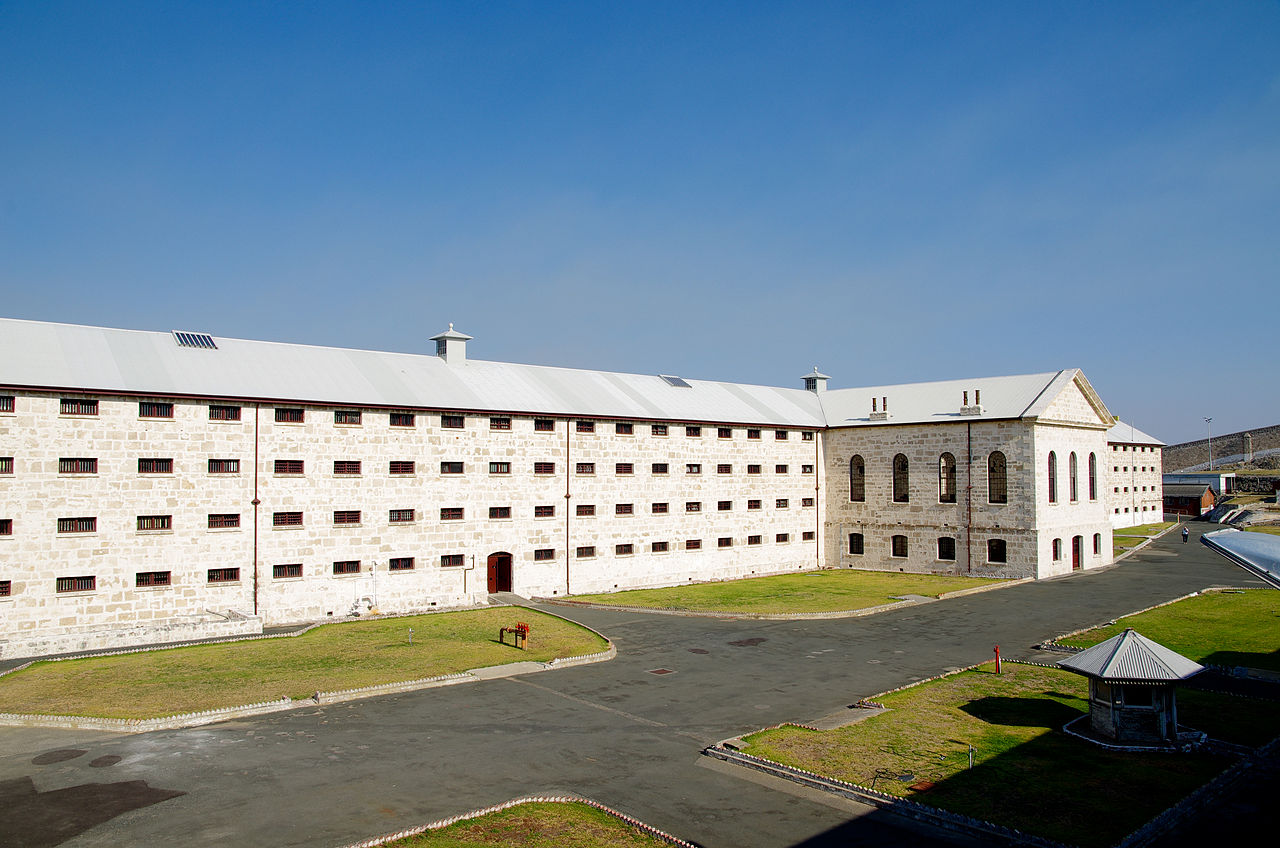
Rather than a single location, the property comprises eleven distinct sites located across several Australian jurisdictions, including locations associated with early settlement and penal administration in and around Sydney, several well-preserved complexes in Tasmania, the penal settlement on Norfolk Island, and the convict-era Fremantle establishments in Western Australia. Together the sites include prisons, gaols, barracks, probation stations, industrial workshops, roads and quarry sites. They are valued for their surviving fabric and for the way built features, spatial arrangements and associated archaeological remains demonstrate the mechanics of large-scale transportation and the exploitation of convict labour.
Origins and historical development
The practice began with the arrival of the First Fleet in 1788 and continued through much of the 19th century. Convict transportation was driven by a mix of penal policy, imperial strategy and labour needs: Britain sought to remove convicted offenders from domestic prisons while colonies required manpower for construction, agriculture and resource extraction. Over several decades tens of thousands of people were sent, and the system evolved from harsh initial regimes to varying models of punishment, assignment and eventual conditional release or ticket-of-leave systems.
Significance and uses today
The sites are important for research, education and cultural tourism. They provide tangible evidence for historians, archaeologists and the public to study everyday life under penal regimes, building techniques, colonial administration and the social consequences of forced migration. Many of the places operate as museums, interpretive centres or conserved ruins that host exhibitions, guided tours and public programming designed to explain convict experience and broader colonial history.
Conservation, challenges and interpretation
Inscribed in 2010, each site had previously been recognised on national heritage registers. The ensemble meets criteria for outstanding universal value because it illustrates a major phase of human history through well-preserved physical remains. Conservation work balances preservation of fabric with the need to present sensitive narratives about punishment, labour and displacement. Managing the sites includes stabilising masonry, protecting archaeological deposits, controlling visitor impact and engaging descendant communities in interpretation.
Notable facts and distinctions
- The property is notable as a dispersed, cross-jurisdictional heritage nomination that links complementary examples of penal architecture and landscapes.
- Interpretation often addresses the diversity of convict experiences, from brutal isolation to skilled labour and eventual integration into colonial society.
- Detailed research at individual locations continues to refine understanding of daily routines, medical care, punishment regimes and the economic functions convicts performed.
For further reading and official documentation on the World Heritage inscription see the international listing and national conservation reports. Local museums and site authorities maintain detailed visitor information and research publications for specific components of the Australian Convict Sites (transportation history, World Heritage details, Tasmanian sites, Norfolk Island, First Fleet background, Sydney locations, national context).
Questions and answers
Q: What is the Australian Convict Sites?
A: The Australian Convict Sites are a World Heritage Site that includes the remains of 11 places used in the transportation of convicts to Australia.
Q: What was the plan by the British government in the transportation of convicts to Australia?
A: The plan by the British government was to move thousands of prisoners from England to Australia.
Q: When did the transportation of convicts from England to Australia start?
A: The transportation of convicts from England to Australia started with the sending of the First Fleet to Sydney in 1788.
Q: For how long did the transportation of convicts from England to Australia continue?
A: The transportation of convicts from England to Australia continued for about eighty years.
Q: Where are the Australian Convict Sites located?
A: The Australian Convict Sites are located in Sydney, Tasmania, Norfolk Island, and Fremantle.
Q: What do the Australian Convict Sites show?
A: The Australian Convict Sites show "the best surviving examples of large-scale convict transportation and the colonial expansion of European powers through the presence and labour of convicts."
Q: When were the Australian Convict Sites put on the World Heritage list?
A: The Australian Convict Sites were put on the World Heritage list in 2010, after they were individually included on the Australian National Heritage List.
Related articles
Author
AlegsaOnline.com Australian Convict Sites — World Heritage ensemble Leandro Alegsa
URL: https://en.alegsaonline.com/art/7476
Sources
- whc.unesco.org : UNESCO's World Heritage "Australian Convict Sites" webpages
- couriermail.com.au : Chalmers, E & Martin, S (1 August 2010) "World Heritage Committee approves Australian Convict Sites as places of importance" Courier Mail website
- environment.gov.au : Australian Department of Environment, Water, Heritage and Arts "World Heritage: Australian Convict Sites" webpage
- environment.gov.au : environment.gov.au/heritage/places/national/cockatoo-island/information.html
- environment.gov.au : "Department of the Environment and Energy"
- environment.gov.au : environment.gov.au/heritage/places/national/woolmers-estate/information.html
- environment.gov.au : environment.gov.au/heritage/places/national/darlington-probation-stn/information.html
- environment.gov.au : environment.gov.au/heritage/places/national/port-arthur/information.html
- environment.gov.au : Australian Department of the Environment, Water, Heritage and the Arts (2008) Australian convict sites: World Heritage Nomination