
Polyunsaturated fat
Fats with multiple carbon–carbon double bonds found in fish, seeds, nuts and vegetable oils; include essential omega‑3 and omega‑6 fatty acids with roles in cell membranes and health.
Polyunsaturated fats are a class of fatty acids whose carbon chains contain more than one double bond. That chemical structure affects their physical properties—many are liquid at room temperature—and their biological behavior. They differ from saturated and monounsaturated fats by having multiple points of unsaturation, which influences stability, metabolism, and health effects.
Image gallery
1 Image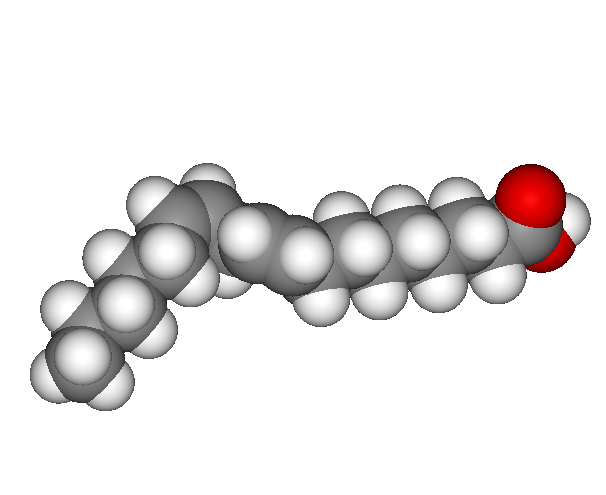
Common sources and physical properties
Dietary sources include fatty fish, nuts and seeds, and various vegetable oils. Many of these fats are liquid at room temperature and are stored and sold as pantry oils. Because of their double bonds they are more prone to oxidation than saturated fats, which affects shelf life and cooking choices.
Types and examples
- Omega‑3 fatty acids — examples include alpha‑linolenic acid (ALA) and the long-chain eicosapentaenoic (EPA) and docosahexaenoic (DHA) acids found in fish and some algae.
- Omega‑6 fatty acids — examples include linoleic acid (LA) and arachidonic acid (ARA), common in many plant oils and animal foods.
Some polyunsaturated fats are termed "essential" because the body cannot synthesize them and they must be obtained from the diet. Long‑chain derivatives act as precursors to signaling molecules involved in inflammation, blood clotting and other physiological processes.
Uses, health and culinary considerations
Replacement of saturated fats with polyunsaturated fats is generally associated with favorable effects on blood lipids and cardiovascular risk markers. However, the balance between omega‑3 and omega‑6 intake can influence inflammatory pathways; many guidelines emphasize increasing omega‑3 sources while moderating excessive omega‑6 intake. In cooking, these oils are useful for dressings and low‑to‑medium heat tasks but can degrade or become rancid when exposed to high heat, light or air.
Industrial processing such as partial hydrogenation can convert unsaturated fats into trans fats, which have been linked to adverse health outcomes; therefore, unhydrogenated sources are preferred. Overall, polyunsaturated fats are important dietary components with distinct chemical properties and biological roles that differ markedly from monounsaturated and saturated fats.
Related articles
Author
AlegsaOnline.com Polyunsaturated fat Leandro Alegsa
URL: https://en.alegsaonline.com/art/77889