
Pocket (clothing): purpose, types, history and cultural notes
A pocket is a sewn pouch in clothing used to hold small items. This article explains common types, construction, historical development, everyday uses and notable social or design issues.
A pocket is a small pouch or compartment integrated into an item of clothing and accessed through an opening in the garment. Traditionally the pocket serves to carry small personal items—coins, keys, a handkerchief or a phone—without the need for a separate bag. The general idea is similar to a bag, but pockets are built into the structure of trousers, jackets, skirts or dresses and vary widely in form and function.
Image gallery
10 Images





Basic structure and components
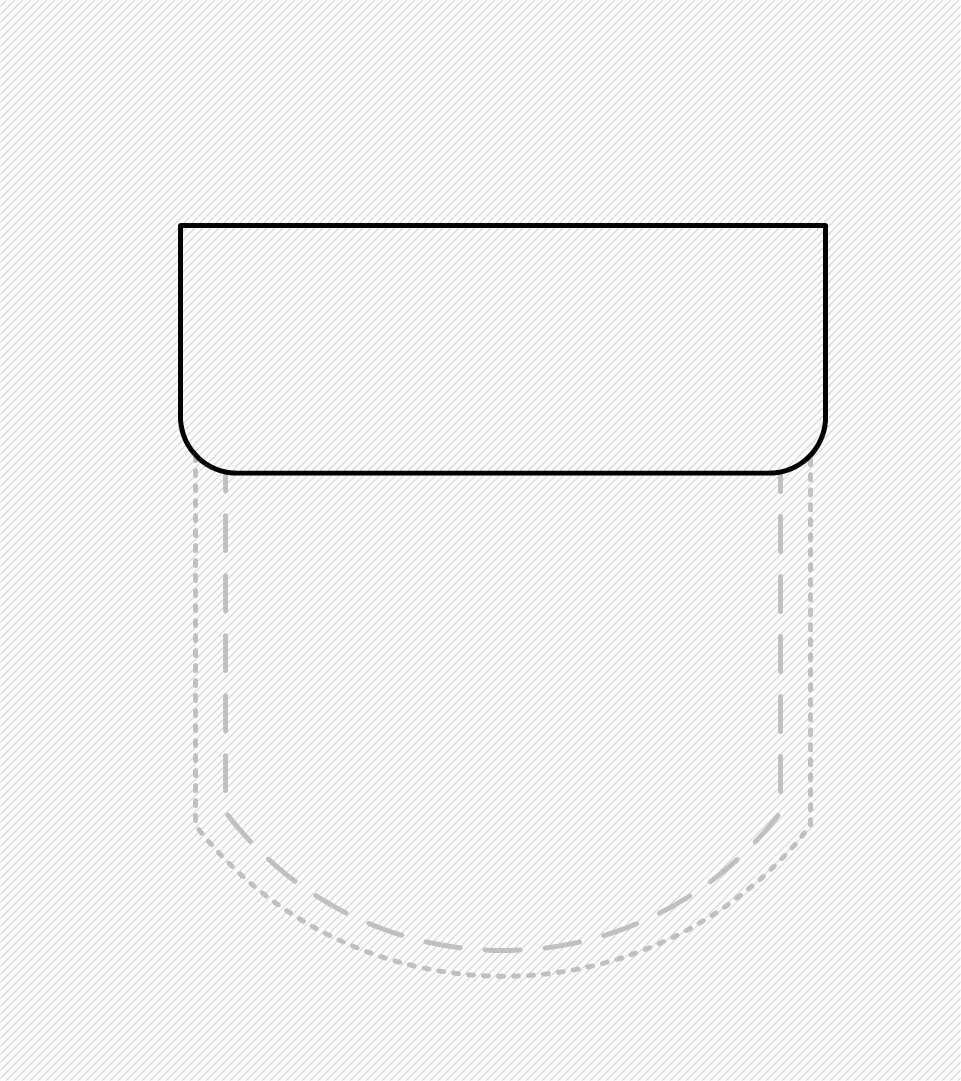
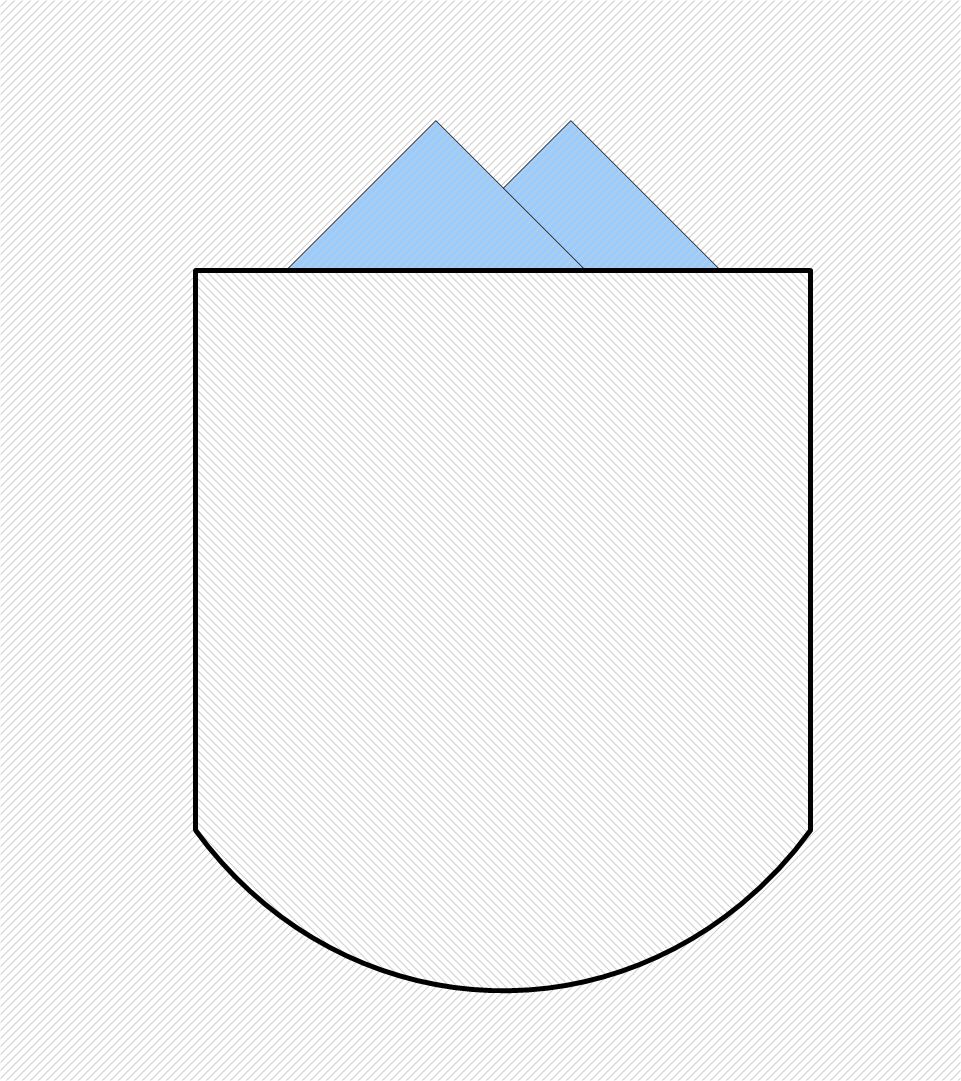
Most pockets consist of an opening in the outer fabric and an inner pocket bag made from the same or a lighter material. Fastening elements such as flaps, snaps, buttons or zippers can secure contents. For example, a zippered pocket uses a zipper along the opening, while a buttoned pocket relies on a button or similar closure. The placement, depth and angle of the opening affect ease of access and how items are retained.
Common styles
- Patch pocket: a pocket sewn on the outside of a garment, common on shirts and jackets.
- In-seam or side pocket: inserted into the side seam of pants or skirts and largely hidden.
- Welt pocket: a narrow, bound opening often used for suit jacket pockets or trousers.
- Flap pocket: a welt or patch pocket with a covering flap for extra protection.
- Kangaroo pocket: a single front pouch found on hoodies and some sweatshirts.
History and development
Pockets evolved from separate pouches and purses that early civilizations tied to belts or wore under clothing. Around the 17th century in Europe, sewn-in pockets began to appear as garments became more fitted and tailored. Over time, tailoring techniques and new fasteners (buttons, zippers) expanded the variety of pocket styles. Fashion choices and practical needs have continued to shape pocket design into the present day.
Uses, cultural notes and design issues
Pockets are practical for everyday storage and for design balance on garments. They also carry cultural and social weight: women’s clothing historically has fewer or smaller pockets than men’s in many Western fashions, a situation often discussed as a design bias rather than a technical limitation. In addition, specialized pockets appear in uniforms and outdoor gear to hold tools, documents, or safety equipment.
When choosing clothing, consider pocket depth, closure type and placement relative to the items you typically carry. Well-designed pockets can improve convenience without compromising a garment’s silhouette, while poorly planned pockets may gape, distort tailoring, or be impractical for modern devices.
For more on storage solutions and garment construction, see resources on tailoring and accessory design—many of which discuss pocket patterns and techniques in detail (bags and carriers, fastening methods, closure types).
Related articles
Author
AlegsaOnline.com Pocket (clothing): purpose, types, history and cultural notes Leandro Alegsa
URL: https://en.alegsaonline.com/art/77572