
Polymerase chain reaction (PCR): principles, history, and applications
PCR is a laboratory method that amplifies specific DNA sequences. This article explains how PCR works, its components, key historical milestones, common variants, and major applications and limitations.
The polymerase chain reaction (PCR) is a laboratory technique used to produce many copies of a defined segment of nucleic acid. By repeatedly copying a target region, PCR converts trace amounts of DNA into quantities sufficient for analysis. The method relies on short synthetic primers, free nucleotides, and a DNA polymerase enzyme to replicate a chosen sequence through repeated thermal cycles.
Image gallery
9 Images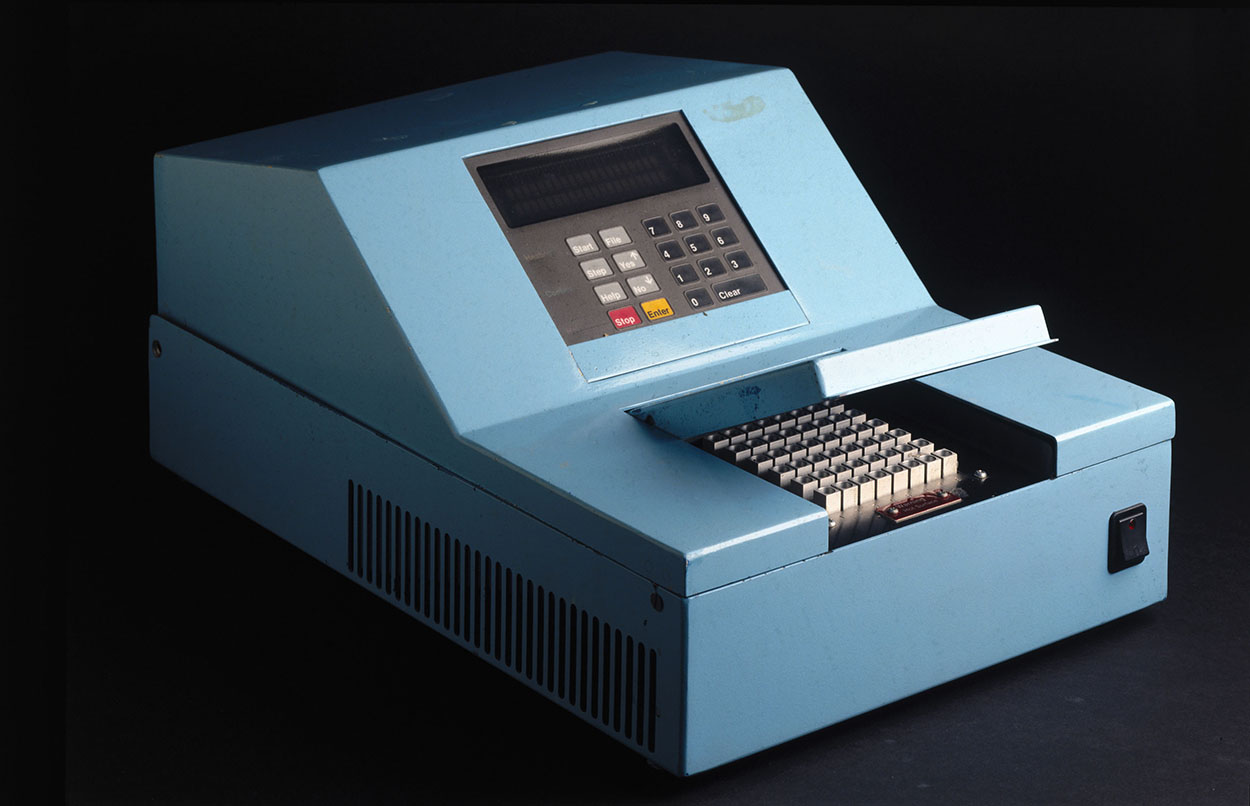




Core components and basic mechanism
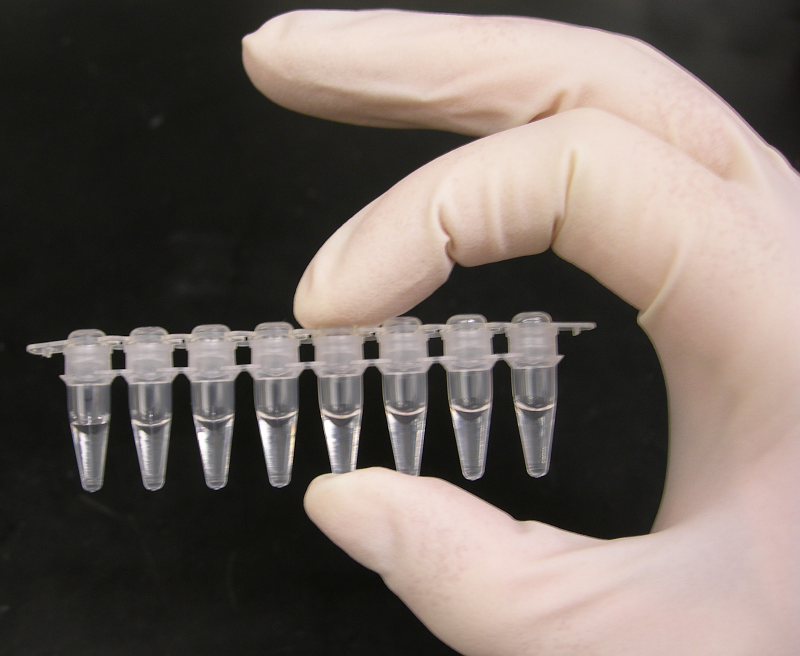
Typical PCR requires four basic components: the template containing the target sequence, two primers that flank the region of interest, a supply of deoxynucleotide triphosphates (dNTPs), and a DNA polymerase that can synthesize new strands. For a concise introduction to the target substrate, see DNA. The enzyme responsible for copying the template is a DNA polymerase, usually a thermostable form discussed below.
The process proceeds in repeated cycles with three main steps: denaturation (heating to separate the double-stranded template), annealing (cooling so primers bind to their complementary sites), and extension (the polymerase synthesizes new DNA from each primer). Because newly made copies themselves serve as templates in later cycles, product accumulates exponentially under efficient conditions.
Variants of the method
Since the original protocol was devised, many specialized forms of PCR have been developed. Common variants include:
- Reverse transcription PCR (RT-PCR) — converts RNA to complementary DNA (cDNA) before amplification, enabling detection and quantification of RNA sequences.
- Quantitative PCR (qPCR or real-time PCR) — measures product accumulation during cycling, permitting estimation of starting template quantity.
- Digital PCR — partitions a sample so that amplification occurs in many separate reactions, allowing precise absolute quantification.
Historical context and development
The practical procedure for modern PCR was formulated in the early 1980s and reported by Kary Mullis in 1983. A crucial advance was using thermostable polymerases isolated from heat-loving bacteria, which made automated thermal cycling practical. For his contribution, Mullis received a Nobel Prize in Chemistry in 1993; the same year another researcher, Michael Smith, was recognized for related work in molecular biology.
Common enzymes and practical notes
Thermostable polymerases—often derived from organisms such as Thermus aquaticus—allow the reaction to be heated repeatedly without adding fresh enzyme each cycle. These thermostable enzymes are robust at the high temperatures used for denaturation and active at the lower temperatures required for extension. Successful PCR also depends on careful primer design, appropriate magnesium and salt concentrations, and the avoidance of inhibitors that can be present in biological samples.
Applications, importance, and limitations
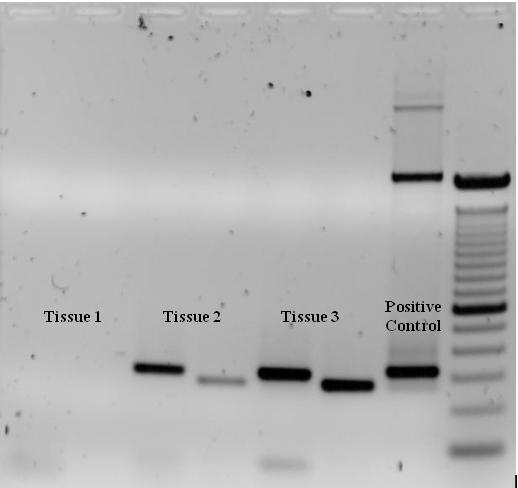
PCR is foundational across molecular biology and its applied fields. It is used to clone genes, prepare templates for sequencing, detect infectious agents in clinical diagnostics, analyze genetic variants, and recover DNA from forensic or environmental samples. Variants such as qPCR are central to measuring gene expression and viral load. Despite its utility, PCR is susceptible to contamination because even minute amounts of stray DNA can be amplified; rigorous controls and good laboratory practice are therefore essential. PCR also amplifies only the regions defined by primers, so prior sequence knowledge or design is required.
Distinguishing features and notable facts
PCR differs from natural DNA replication primarily in its artificial cyclic thermal control and the use of short primers to define boundaries of amplification. The technique transformed biology by making rapid, specific amplification of chosen sequences routine in laboratories worldwide. For introductions to molecular biology and laboratory practice that place PCR in broader context, consult a general biochemical methods resource.
Overall, PCR remains an adaptable and widely used tool. Continued improvements—such as faster enzymes, hotter-start formulations, and refined quantification methods—have extended its range of applications while addressing some early limitations.
Related articles
Author
AlegsaOnline.com Polymerase chain reaction (PCR): principles, history, and applications Leandro Alegsa
URL: https://en.alegsaonline.com/art/77861