
Pine Gap — the joint Australia–United States signals and satellite facility
Pine Gap is a joint Australia–United States intelligence and satellite control facility near Alice Springs, known for signals collection, satellite control, missile warning and long-standing secrecy.
Overview
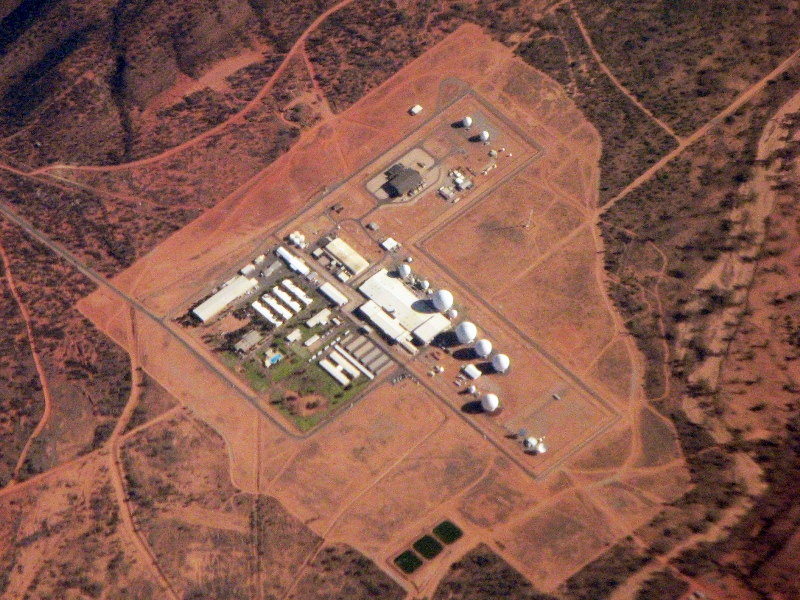
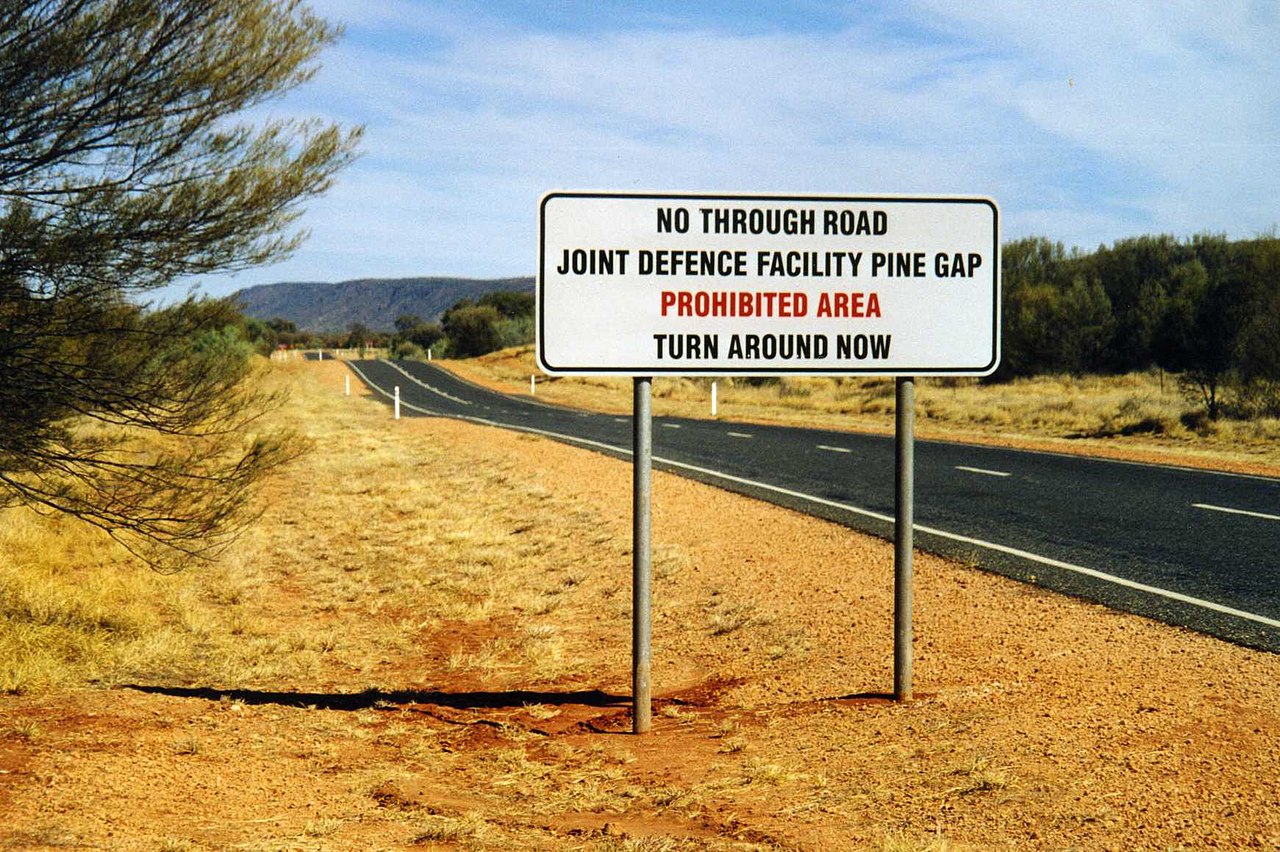
Pine Gap is a remote intelligence and defence compound located roughly 19 km southwest of Alice Springs in the Northern Territory of Australia. Operated as a cooperative installation, the site has been important to allied strategic monitoring since it was established in the late 1960s. Public information about Pine Gap is limited and typically comes from government statements, investigative reporting and declassified records.
Image gallery
4 Images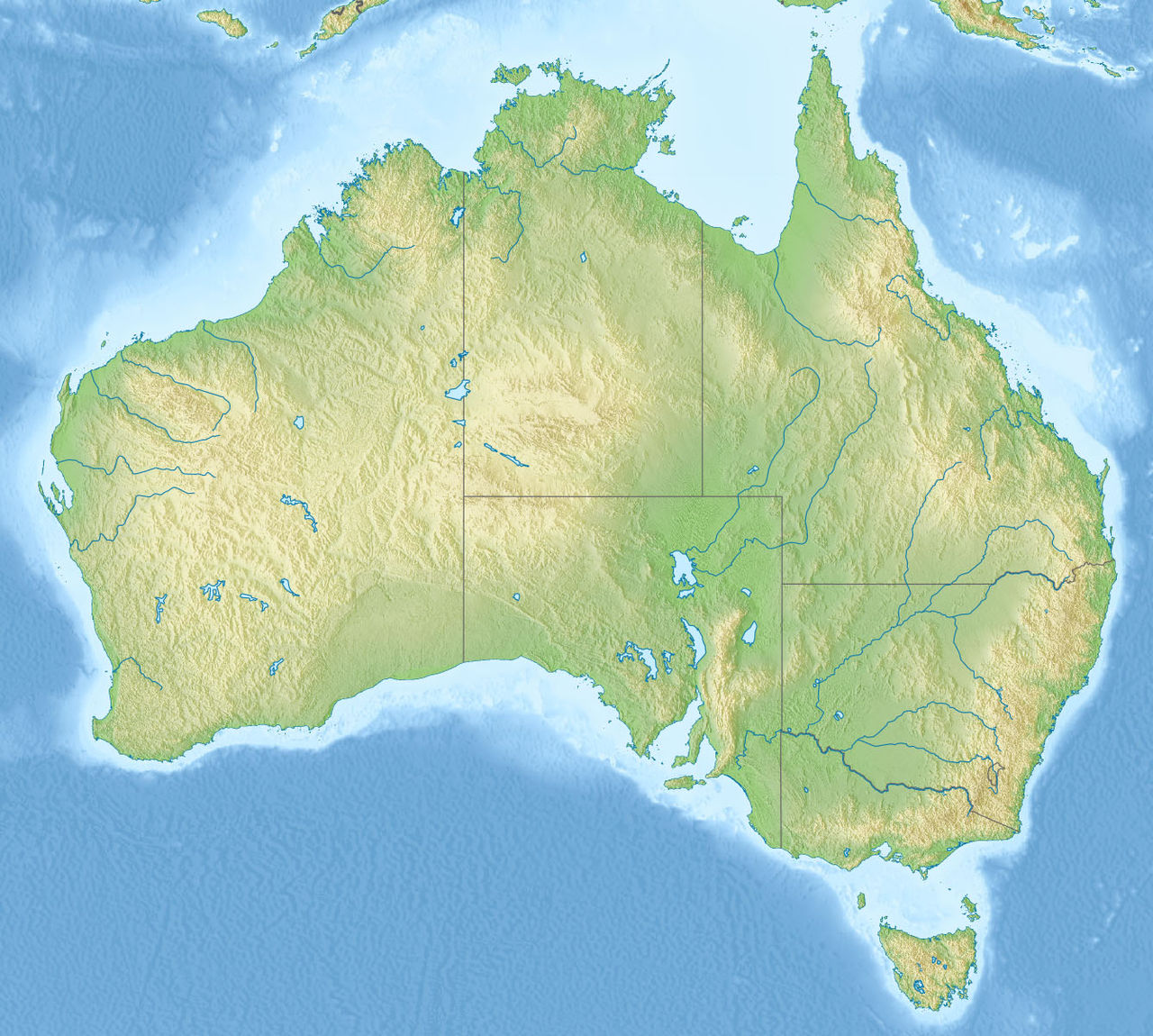

Origins and agreements
The facility was created following a Cold War era agreement between the Australian and the United States, and it operates under bilateral arrangements that govern activity on site. Oversight, staffing and legal arrangements are complex: some elements are managed through formal intelligence cooperation, while other aspects remain classified under the terms of the intelligence partnership and operational protocols agreed by both countries. Histories of the centre also note the geopolitical context that motivated its founding and the continuing strategic rationale for the arrangement in subsequent decades, including aspects sometimes debated in public and parliamentary forums over questions of sovereignty and legal jurisdiction at the site, matters often raised by civil society groups and legal commentators concerned with oversight.
Functions and capabilities
Open reporting and expert analysis indicate that Pine Gap serves as a ground station and control centre that supports a constellation of surveillance and reconnaissance assets. It has recognised roles in signals intelligence, geospatial data handling and space-system command and control. The facility is associated with satellite operations and the relay of information used for military and intelligence purposes, including control of reconnaissance satellites. In open-source accounts the installation contributes to monitoring the activities of other states such as Russia, China, North Korea, India and Pakistan, and to systems intended to provide missile warning and strategic alerts for nuclear or ballistic missile events.
Technical aspects
The technical fingerprint of Pine Gap is described in broad terms in public material: sensor processing, signals interception, satellite telemetry and command functions, and contributions to space situational awareness. Some commentators have speculated about experimental or advanced technologies being tested or monitored at allied facilities, including claims about directed-energy or laser systems, while other sources have discussed entirely different speculative themes such as alleged links to unidentified aerial phenomena and UFO lore. These claims are generally treated as unverified and separate from the facility’s established intelligence roles.
Workforce and local community
Pine Gap supports a mixed workforce of Australian personnel, United States staff and civilian contractors, and has an enduring social footprint in the Alice Springs region. The presence of an expatriate American community is reflected in local social activities and sports such as baseball and American football, and in observance of American holidays and traditions among staff and families, including social recognition of Halloween, Independence Day and Thanksgiving. These cultural interactions coexist with local Australian life and occasional collaboration in community services, schools and civic events.
Governance, oversight and debate
Although operating under a bilateral framework, Pine Gap has been the subject of ongoing public debate about the adequacy of parliamentary oversight, the transparency of intelligence activity and the balance between alliance cooperation and national sovereignty. Official responses stress the facility’s role in alliance security and regional stability, while critics argue for clearer reporting and stronger legal scrutiny. Academic and policy studies often treat Pine Gap as a case study in allied intelligence sharing and the governance challenges that follow from highly classified cooperative projects.
Secrecy, controversy and activism
Secrecy surrounding operational details has led to protest actions and campaigns by peace groups, civil liberties organisations and some Indigenous advocates concerned with land access and environmental impacts. Investigative journalists and historians have documented episodes of public contestation, legal inquiries and parliamentary questions. At the same time, many researchers underline that publicly verified information focuses on Pine Gap’s contributions to signals intelligence, satellite control and early warning, rather than the more speculative claims that sometimes attract attention.
Cultural depictions and public perception
Pine Gap features in popular accounts, documentaries and fictional works about Cold War-era intelligence, modern surveillance and conspiracy culture. It has become a symbol in wider discussions about the presence of foreign military and intelligence capabilities on allied territory, and it figures in debates about how advanced technological infrastructures intersect with democratic accountability, media scrutiny and the rights of local communities.
Further reading and research
For a careful understanding of Pine Gap, consult official defence and intelligence publications, reputable histories of allied intelligence cooperation, and analyses from independent policy institutes and investigative journalists. Primary sources and declassified documents can illuminate institutional history, while scholarly work explores legal frameworks, oversight mechanisms and regional implications of the joint facility.
Related articles
Author
AlegsaOnline.com Pine Gap — the joint Australia–United States signals and satellite facility Leandro Alegsa
URL: https://en.alegsaonline.com/art/76962