
Acne: causes, types, treatment, and prevention
Overview of acne (acne vulgaris): causes, lesion types, typical locations, diagnosis, evidence-based treatments, prevention strategies and when to seek medical care.
Acne is a common inflammatory condition of the skin that arises when changes in the sebaceous glands and hair follicles create blocked pores. The most frequent form is acne vulgaris, typically involving excess sebum production combined with accumulation of dead skin cells. When a hair follicle becomes obstructed, trapped oil and debris provide an environment in which bacteria can multiply and inflammation follows, producing red, swollen lesions.
Image gallery
10 Images


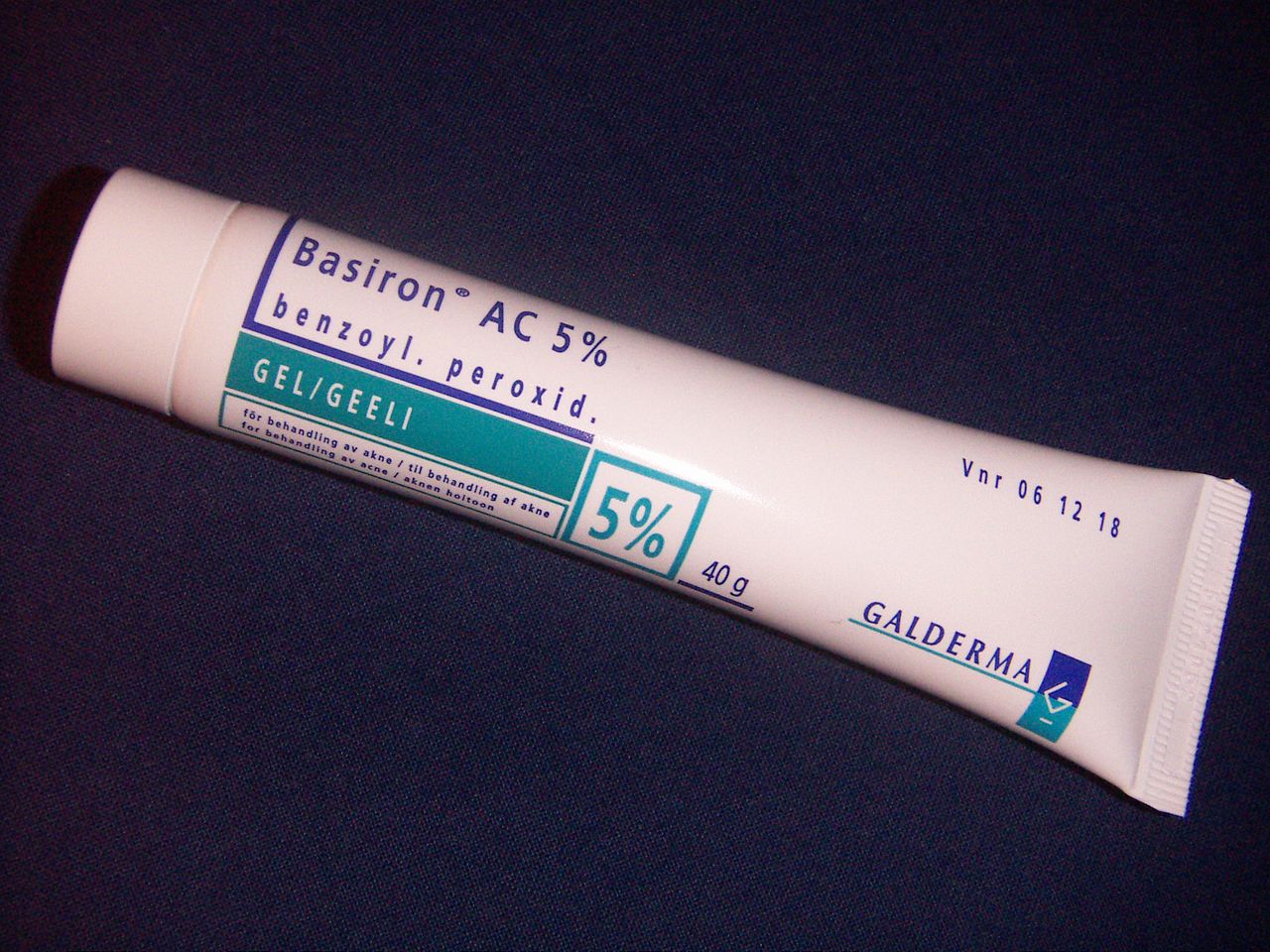

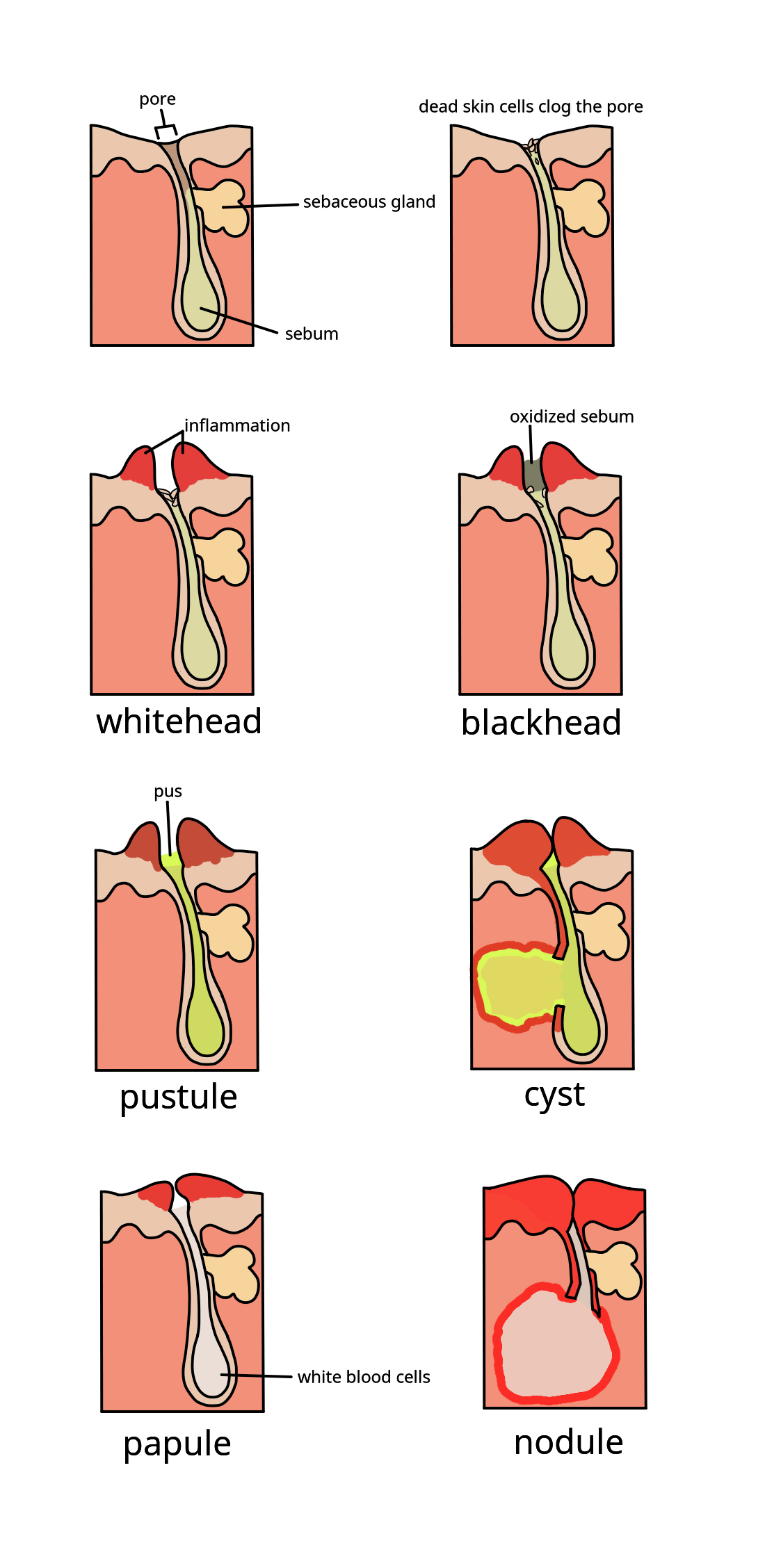
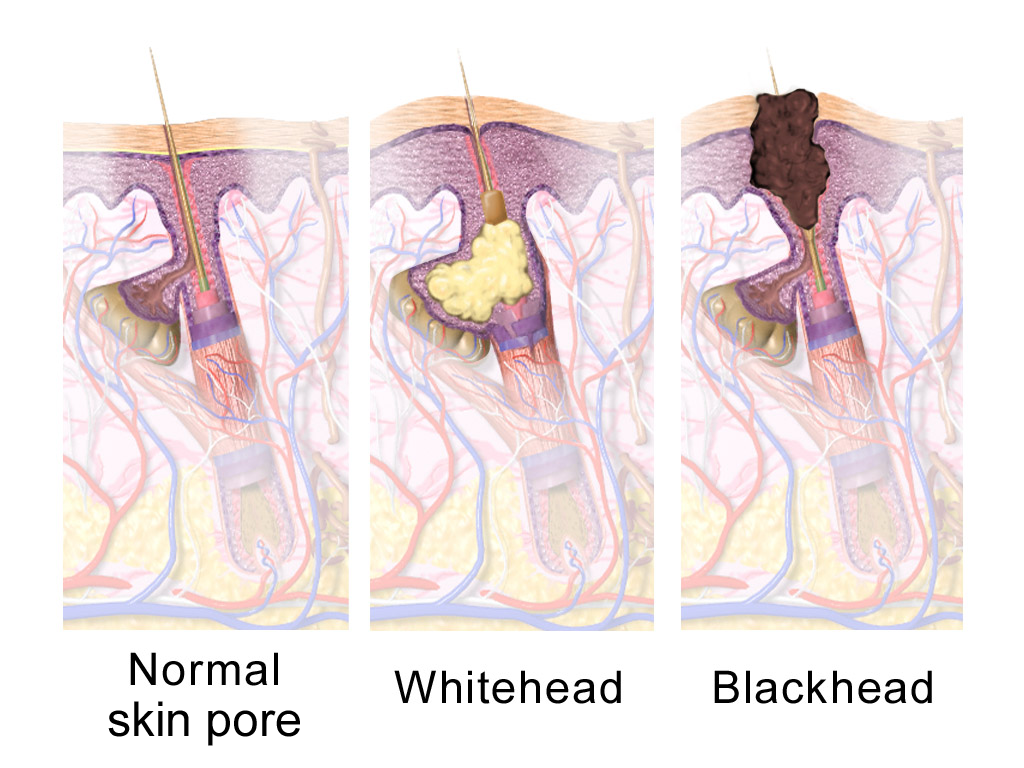
Pathophysiology and lesion types
Four main processes contribute to acne: increased sebum, abnormal shedding of follicular cells (hyperkeratinization), colonization by bacteria, and inflammation. Lesions are classified as non-inflammatory comedones (open "blackheads" and closed "whiteheads") and inflammatory lesions such as papules, pustules, nodules and cysts. Deep or persistent lesions may damage surrounding tissue and lead to permanent scarring or darkened areas after healing.
Where acne appears and who is affected
Acne most commonly affects the face, chest and back, and can involve the upper arms and shoulders. It often begins in puberty when rising androgens stimulate oil production, but many adults also experience acne. Hormonal changes related to the menstrual cycle, pregnancy or certain medications influence pore activity through effects on hormones, and targeted hormonal treatments can be effective for selected patients.
Diagnosis and when to seek care
Diagnosis is usually clinical, based on lesion type and distribution. A clinician will distinguish acne from other conditions such as rosacea or folliculitis. Medical evaluation is advised when over-the-counter measures fail, lesions are nodular or painful, scarring develops, or acne causes significant psychological distress. Early specialist care may reduce long-term scarring and improve outcomes.
Treatment approaches
Treatment depends on severity and lesion type. Mild acne may respond to topical self-care and non-prescription products; moderate to severe acne often requires prescription therapies. Typical options include:
- Topical agents: retinoids to normalize follicular shedding, benzoyl peroxide to reduce bacteria, and topical antibiotics or combination products to address inflammation and microbes.
- Oral medications: short courses of antibiotics for anti-inflammatory effect, hormonal therapies (combined oral contraceptives or anti-androgens) for appropriate patients, and oral isotretinoin for severe or treatment-resistant acne under specialist supervision.
- Procedural options: lesion extraction, chemical peels, light and laser therapies, and intralesional corticosteroid injections for large nodules to reduce size and pain.
Self-care, prevention and lifestyle
General measures that can help include gentle cleansing twice daily, using non-comedogenic skin-care and cosmetic products, avoiding abrasive scrubs or excessive washing, and not picking lesions. Evidence on diet shows some associations (for example with high-glycemic-load foods or certain dairy products) but is variable; dietary advice should be personalized. Good sun protection and careful management during pregnancy or when using systemic treatments is important.
Special situations and prognosis
Acne in children, persistent adult acne, or acne linked to significant hormonal disorders may require hormonal evaluation and tailored therapy. With appropriate treatment many people see marked improvement over weeks to months; prevention of scarring and minimizing psychological impact are primary goals. For further reliable patient information see resources linked to skin health: skin overview, gland function and practical guidance on cleansers and moisturizers.
Because acne management often combines topical care, systemic medication, and, when needed, procedures, collaboration with a primary care clinician or dermatologist helps select safe and effective options and monitor for side effects. For clinical guidelines, patient leaflets and summaries consult reputable clinical resources or specialist advice links: patient resources, treatment choices, and professional reviews at face-focused guidance, chest and back care, or procedural options.
When considering hormonal therapy or isotretinoin, informed discussion about benefits, risks and monitoring is essential; relevant information may be found via trusted materials on adolescent health and hormonal management. If acne causes pain, rapidly worsening inflammation, or significant scarring, seek medical attention promptly.
Questions and answers
Q: What is acne?
A: Acne is an infection of the skin, caused by changes in the sebaceous glands.
Q: What is the most common form of acne called?
A: The most common form of acne is called acne vulgaris, which means "common acne".
Q: What causes the redness associated with acne?
A: The redness comes from the inflammation of the skin in response to the infection. Oils from the glands combine with dead skin cells to block hair follicles, which leads to a buildup of oil under blocked pores and allows bacteria to grow quickly. This infection makes the skin become swollen and red, which becomes visible.
Q: Where does acne usually occur?
A: Acne usually occurs on the face, chest, back, and upper arms.
Q: Why is it more common during puberty?
A: Acne is more common during puberty because this period involves high levels of hormones that can cause changes in sebaceous glands.
Q: Does everyone get acne as they reach adulthood?
A: No, not everyone gets acne as they reach adulthood; it becomes less common as people age.
Q: Are there any natural treatments for acne available?
A: Yes, there are lots of natural treatments for treating and managing symptoms associated with acne available.
Related articles
Author
AlegsaOnline.com Acne: causes, types, treatment, and prevention Leandro Alegsa
URL: https://en.alegsaonline.com/art/734
Sources
- onlinelibrary.wiley.com : Diet and acne: a review of the evidence
- doi.org : 10.1111/j.1365-4632.2009.04002.x
- pubmed.ncbi.nlm.nih.gov : 23245607
- doi.org : 10.1016/S0190-9622(98)70442-6
- pubmed.ncbi.nlm.nih.gov : 9703121
- doi.org : 10.3109/09546630903401496
- pubmed.ncbi.nlm.nih.gov : 20132053