
Physical Education: Principles, History, and Role in Schools
Physical education (PE) is a school subject teaching movement, fitness, sport and health habits. This article explains its goals, components, history, curriculum approaches, benefits, and differences from organized sport.
Physical education (often abbreviated PE) is an organized school subject that teaches movement, physical fitness, motor skills and health-related knowledge. It integrates physical activity with cognitive understanding and affective development, aiming to help pupils acquire lifelong habits of activity and wellbeing. PE typically combines individual and team sports, fitness training, dance, gymnastics, outdoor pursuits and games in a structured programme that links practice with learning goals.
Image gallery
7 Images


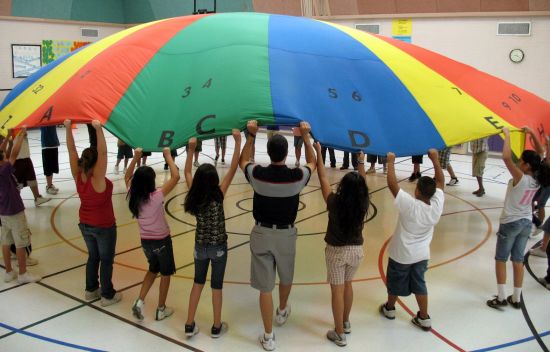

Core components and characteristics
Most PE programmes include a mix of the following elements: skill development, cardiovascular and muscular fitness, flexibility, coordination and motor control, tactical and strategic understanding, and social skills such as cooperation and fair play. Instruction often addresses three learning domains: the psychomotor (movement skills), the cognitive (knowledge about rules, safety and strategy) and the affective (motivation, attitudes and values). Teachers sequence lessons to progress from basic movement competence to more complex movement patterns and decision-making.
Typical curriculum and assessment
Curricula vary by country and age group but commonly set outcomes for physical literacy, fitness benchmarks, and participation in a variety of activities. Assessment may include direct observation of skill performance, fitness testing, written or oral quizzes on health topics, and self- or peer-assessment of effort and teamwork. Many programmes emphasize differentiating activities so pupils of differing ability and confidence can succeed and develop.
History and international development
Formal instruction in physical education dates back to ancient and modern traditions that valued gymnastics, military drill and organized games. In the 19th and 20th centuries, national school systems gradually introduced PE as a distinct subject; adoption rates and emphases differ worldwide. Some countries focus on competitive sports, while others stress lifelong physical activity and public health. For comparative curriculum material see international PE frameworks and regional policy summaries at education agency resources.
Benefits and societal importance
Regular participation in quality PE supports physical health by improving cardiovascular fitness, strength and coordination; it also contributes to mental wellbeing, cognitive function and social development. PE teaches risk management, goal setting and resilience. Public-health advocates link school-based activity to preventing obesity and encouraging active lifestyles across the lifespan. For guidance on programming and evidence reviews, consult research summaries and practical lesson resources at teaching resource hubs.
Distinctions and practical considerations
Physical education differs from extracurricular sport in intent and structure: PE is curriculum-based with explicit educational outcomes, whereas school sports often prioritize competition and club-style participation. Effective PE requires safe facilities, trained instructors, inclusive practice and an emphasis on lifelong movement rather than only elite performance. Policy makers and educators balance curricular time, assessment demands and community expectations; for policy examples see national policy examples and implementation case studies at curriculum case studies.
- Key aims: develop physical competence, knowledge, healthy habits and positive attitudes.
- Settings: indoor halls, playing fields, pools, gyms and outdoor education sites.
- Challenges: unequal access, limited resources and varying cultural priorities.
Related articles
Author
AlegsaOnline.com Physical Education: Principles, History, and Role in Schools Leandro Alegsa
URL: https://en.alegsaonline.com/art/76650
Sources
- nhlbi.nih.gov : "Physical Activity and Your Heart - National Heart, Lung, and Blood Institute (NHLBI)"
- adonis-golden-ratio.com : "Adonis Golden Ratio Exposed – My Results"
- cdc.gov : cdc.gov