
Philology: the study of texts, language, and literary tradition
Philology is the scholarly study of written texts and their languages, combining linguistic analysis and literary interpretation to reconstruct, edit, interpret, and transmit cultural documents across time.
Overview
Philology is the discipline devoted to the close study of written language and its cultural contexts. It attends to both form and meaning in texts, whether single inscriptions, medieval codices or modern manuscripts, and treats material witnesses such as a manuscript as evidence to be read and interpreted. In practice philology draws upon methods of linguistics and literary studies to recover how texts were transmitted and understood.
Image gallery
1 Image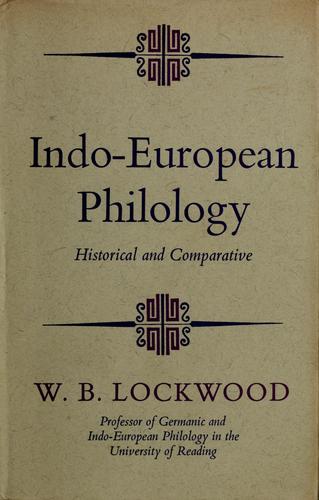
Methods and subfields
Core philological methods aim to establish reliable texts and to situate them historically. Typical approaches include:
- Textual criticism and editing to compare variants and propose authoritative readings.
- Paleography and codicology, which study handwriting, scripts and bookmaking practices.
- Historical linguistics and etymology to trace changes in vocabulary and grammar.
- Interpretive work linking language form to literary, legal, religious or social meaning.
History and traditions
Philological work reaches back to ancient scholars who commented on sacred and poetic texts and continued through medieval glossators to Renaissance humanists who recovered classical writings. In the modern era philology broadened into a range of national and comparative traditions; for example, the study of Greek (Greek), Latin (Latin) and Sanskrit (Sanskrit) has long-standing institutional practices and scholarly lineages.
Uses and importance
Philology underpins reliable editions used by translators, historians and literary critics. It reconstructs lost or corrupt passages, dates and provenance, and clarifies how communities read and copied texts. Projects in philology support digital editions, lexical databases and historical grammars that inform many other fields.
Distinctions and contemporary practice
Philology is distinct from theoretical linguistics in its emphasis on texts and historical interpretation rather than abstract models. "Classical philology" refers to the study of an established classical language and its corpus; calling a language "classical" often implies the existence of a philological tradition associated with it. Contemporary philologists work with manuscripts, printed sources and increasingly with digitally encoded texts to extend traditional aims into new media.
Related articles
Author
AlegsaOnline.com Philology: the study of texts, language, and literary tradition Leandro Alegsa
URL: https://en.alegsaonline.com/art/76500
Sources
- books.google.com : On Philology
- books.google.com : Philology
- ucr.ac.cr : University of Costa Rica