
Pippi Longstocking: Astrid Lindgren’s Unconventional Children's Heroine
Overview of Pippi Longstocking, the spirited fictional girl created by Astrid Lindgren: her traits, origins, publication history, adaptations, main characters and cultural impact.
Pippi Longstocking is the central figure of a beloved series of children's stories by Swedish author Astrid Lindgren. Introduced to readers in the mid-1940s, Pippi—known in Swedish as Pippi Långstrump—was first told as a bedside tale to Lindgren's sick daughter, Karin. The books, published initially as a set of children's novels by Rabén and Sjögren, established Pippi as a memorable, independent child character who both delights and unsettles adults with her rule-breaking ways and gleeful self-reliance. The character is commonly described in literary summaries as a fictional character who stands apart from conventional portrayals of girls in children's literature.
Pippi is presented as an unusual nine-year-old with a striking appearance, playful spirit and extraordinary abilities. She has exceptional physical strength—often described as near superhuman—which she uses for everyday feats such as lifting her horse (a frequent companion) and performing astounding stunts. Her household includes a pet monkey and, for much of the stories, the company of two neighbors, Tommy and Annika. Pippi resists adult authority and conventional expectations, sharing with characters like Peter Pan an aversion to growing up. Her name, rendered in older Swedish slang, conveys a sense of playfulness and oddity ("Pippi").
Image gallery
4 Images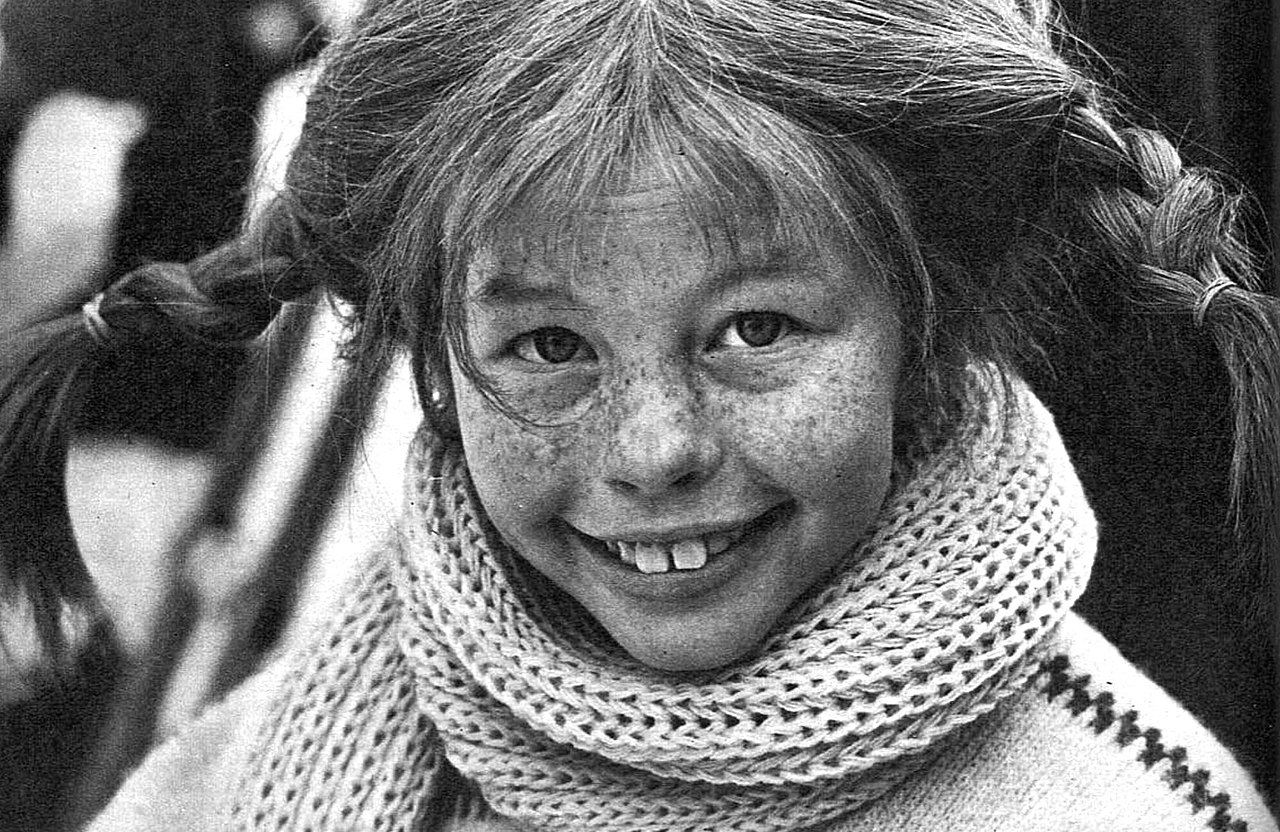


Publication and adaptations
The first Pippi tales were published between 1945 and 1948, with further volumes and short stories appearing in later decades. These books have been translated widely and remain in circulation: editions exist in dozens of languages, and the stories have been reissued and revised over time. Pippi's adventures have inspired numerous adaptations on stage, in film and television; the material has been adapted repeatedly for international audiences, helping to sustain the character's popularity across generations.
Main characters and recurring elements
- Pippi Longstocking – the irrepressible girl who lives alone and keeps her own rules.
- Tommy and Annika – the ordinary neighborhood children who are Pippi's friends and sometimes foil to her antics.
- Horse and monkey – Pippi's animal companions; she often defends them fiercely.
- Pirate heritage – Pippi claims to be the daughter of a pirate captain, and her backstory involves sea voyages and treasure that fuel many imaginative episodes.
Pippi narratives blend tall tales, everyday comedy and child-centered fantasy. The stories frequently invert adult norms: Pippi finds grown-up pretensions amusing and often exposes hypocrisy or pomposity through practical jokes and literal-minded answers. That approach made her a lively symbol of childhood autonomy, but it also brought debate: some older episodes and translations have been criticized for racial stereotyping or dated attitudes and have been edited in later reprints to align with contemporary sensitivities.
Beyond individual episodes, Pippi's cultural importance lies in her challenge to gendered expectations and her affirmation of a child's perspective. Writers and educators cite the books as influential in modern children's literature for foregrounding a girl who is fearless, physically capable and unapologetically herself. For readers seeking primary sources, critical commentary or adaptations, consult library editions and annotated collections, and follow publisher or archival information through reliable reference links such as those provided by national literary organizations and dedicated pages about the children's books and the author's life in Sweden.
Questions and answers
Q: Who is Pippi Longstocking?
A: Pippi Longstocking is a fictional character created by Swedish author Astrid Lindgren. She was named by Lindgren's daughter Karin, who was nine years old at the time.
Q: What does "Pippi" mean?
A: "Pippi" means "quirky" in old Swedish slang.
Q: What are some of Pippi's characteristics?
A: Pippi is an unusual and spirited nine-year-old girl with superhuman strength and she often mocks and tricks adults she encounters. She usually reserves her worst behaviour for the most condescending adults, but gets angry when someone treats her horse badly. Like Peter Pan, she does not want to grow up and has adventurous tales to tell.
Q: Who are Pippi's friends?
A: Pippi has four best friends - her horse, a monkey, and the neighbour's children Tommy and Annika.
Q: When were the first three books about Pippi published?
A: The first three books about Pippy were published between 1945 to 1948 by Rabén and Sjögren.
Q: How many languages have the books been translated into?
A: The books have been translated into 64 languages.
Related articles
Author
AlegsaOnline.com Pippi Longstocking: Astrid Lindgren’s Unconventional Children's Heroine Leandro Alegsa
URL: https://en.alegsaonline.com/art/77061
Sources
- thelocal.se : "German theologian: Pippi Longstocking is racist - The Local"
- astridlindgren.se : "Astrid Lindgren and the world | Astrid Lindgren"
- imdb.com : "Pippi Longstocking"
- imdb.com : "Peppi Dlinnyychulok"
- imdb.com : "Pippi Longstocking"