
Phewa Lake (Phewa Tal): Pokhara’s lake and cultural landmark
Phewa Lake (Phewa Tal) is a large freshwater lake beside Pokhara, Nepal, known for its central Barahi temple, mountain reflections, boating and tourism, and its ecological and cultural importance.
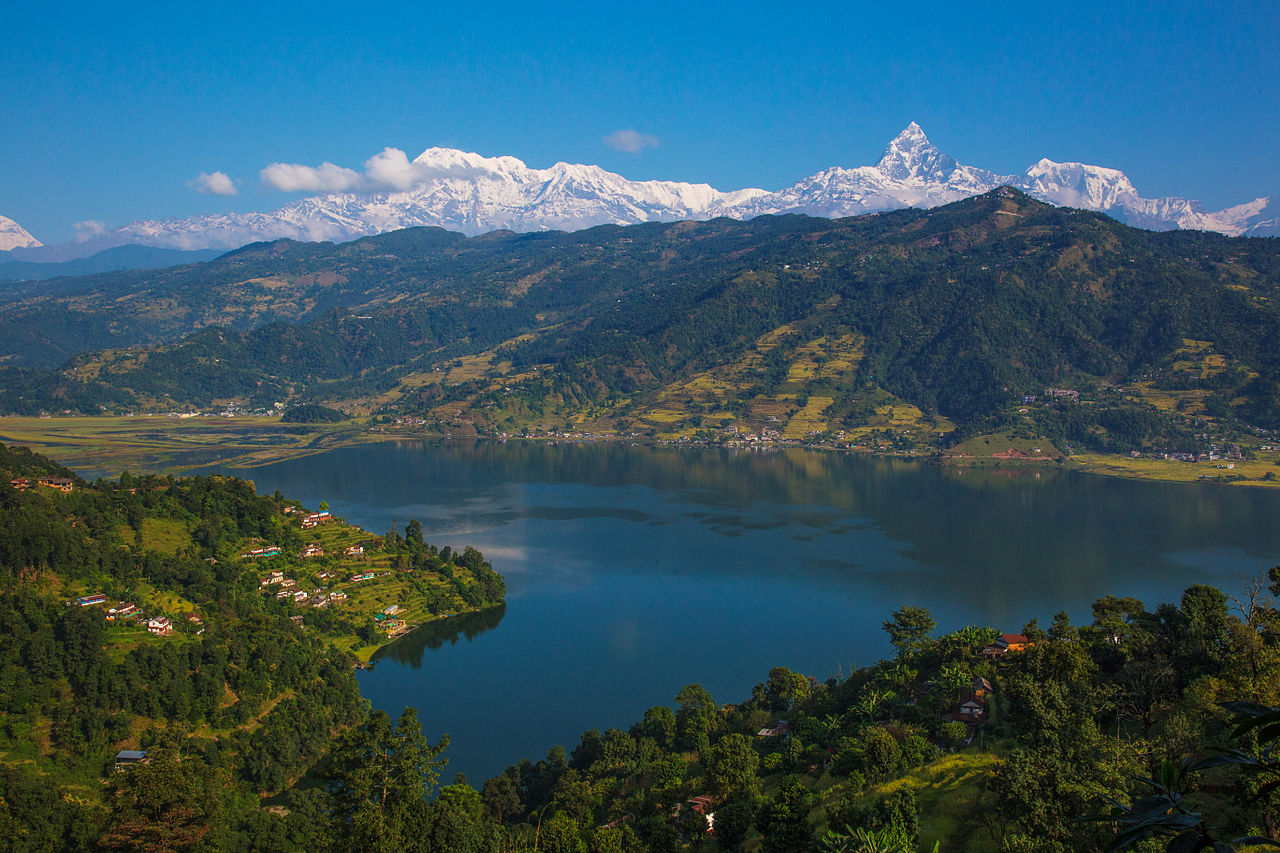
Phewa Lake (often written Phewa Tal or Fewa Lake) lies on the edge of the city of Pokhara in central Nepal. It is the largest lake in the Pokhara valley and one of the country’s best-known inland waterways. The lake is famous for the clear mirror-like reflections of the Annapurna range, especially the distinctive silhouette of Machapuchare (Fishtail), which appear on calm mornings and attract photographers and visitors from around the world. Phewa Lake has become a focal point for recreation, pilgrimage and lakeside commerce.
Image gallery
10 Images



Physical characteristics
Phewa is a natural freshwater lake fed by seasonal runoff and small tributaries. Its shape and shoreline have been modified over time by human activity, including development of promenades and boating facilities. The water level varies seasonally with monsoon rains, and sediments enter the basin from surrounding hills, producing rich reed beds and wetland margins that support local wildlife. The lake’s surface and the hills around it create a varied landscape of water, terraced slopes and urban settlements.

Temple, culture and access
At the center of the lake sits Tal Barahi Temple, a two-storey Hindu shrine dedicated to the goddess Barahi (a manifestation of Durga). The temple is reached only by boat and is a regular destination for religious festivals and local devotees. Pilgrims and tourists alike hire traditional wooden boats to cross to the island; these boat services form a centuries-old connection between the lakeshore communities and the sacred site. Boating is therefore both a practical and cultural activity on the water.

Uses and activities
Phewa Lake supports many leisure and commercial uses. Visitors commonly take pleasure rides, rent paddleboats or rowboats, go swimming in permitted areas, and fish from craft or the shore. Local guides arrange sightseeing trips and early-morning excursions to capture mountain reflections. The lakeside area offers cafés, hotels and walking paths that make it a center of Pokhara’s tourism economy. The lake is also a starting viewpoint for trekkers heading into the Annapurna conservation region.

Environmental issues and management
The lake faces pressures typical of urban waterbodies: nutrient loading, sedimentation, invasive plants and increasing shoreline development. Growth in tourism and nearby housing increases wastewater and runoff that can reduce water quality and clarity. Local authorities, community groups and conservation organizations have undertaken measures to limit pollution, plant native vegetation buffers and manage boating to reduce disturbance. Long-term sustainability relies on coordinated urban planning and catchment restoration.

Notable facts and distinctions
- Phewa’s central island temple—Tal Barahi—is one of the region’s most photographed religious sites and requires a boat to visit.
- The lake’s reflection of the Annapurna range, particularly in early morning light, is an iconic image associated with Pokhara.
- Activities around the lake mix recreation, religion and local commerce, making the site socially and economically important to the city.


Visitors interested in experiencing Phewa Lake should plan for seasonal variations: calm, reflective conditions are most common in the dry season; the monsoon reshapes the shoreline and increases inflow. For practical details on transport, boat hire or local customs consult local information sources or tour operators before visiting. Swimming, fishing and organized boat rides remain the primary ways to experience this distinctive Nepali lake.
Related articles
Author
AlegsaOnline.com Phewa Lake (Phewa Tal): Pokhara’s lake and cultural landmark Leandro Alegsa
URL: https://en.alegsaonline.com/art/76374