
Pokhara: Nepal’s Lakeside Gateway to the Annapurna Range
Pokhara is Nepal’s second-largest city and a major tourism hub, known for Phewa Lake, mountain vistas, trekking access to the Annapurna region, adventure sports and a mix of modern and traditional neighborhoods.
Overview
Pokhara is the second-largest city in Nepal and a primary center for tourism and outdoor activities. Situated roughly 200 km west of Kathmandu, it is famed for panoramic views of the Annapurna range, calm lakes and a relaxed lakeside district popular with visitors.

Image gallery
10 Images


Characteristics and landmarks
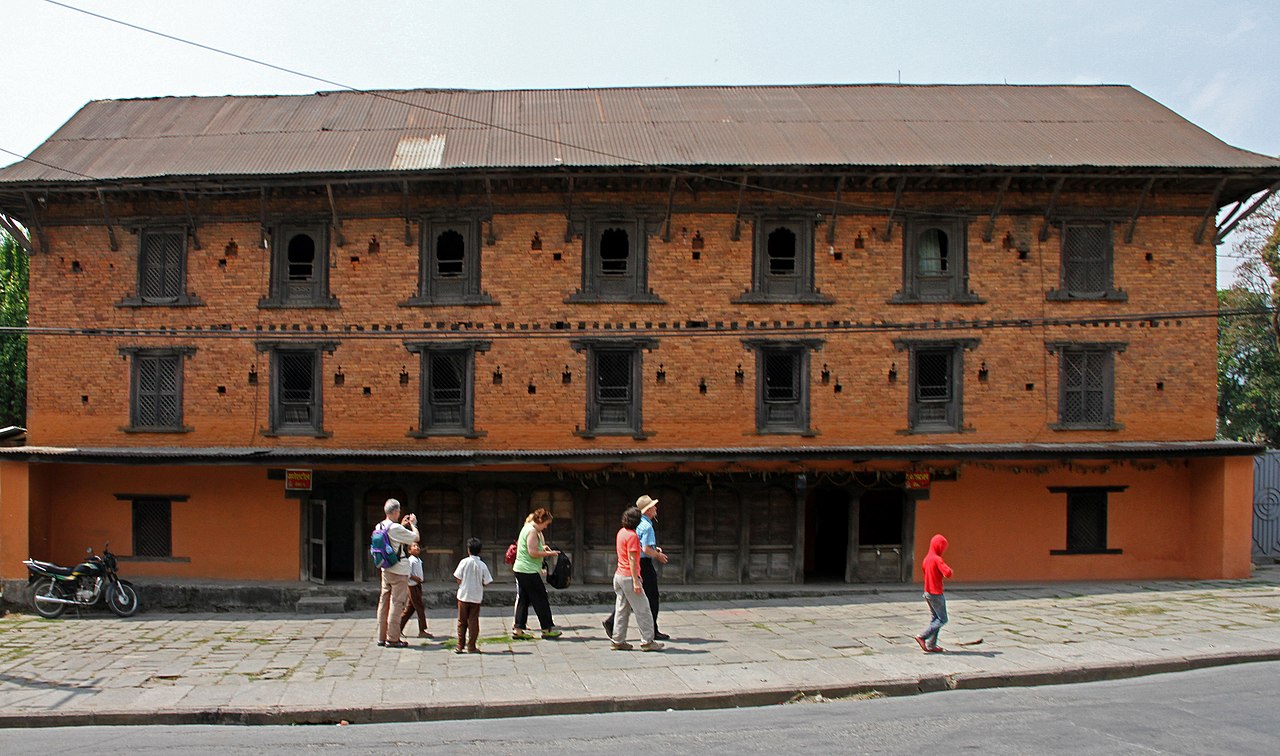
The city combines modern development and older neighborhoods where traditional shops and markets remain. The most recognisable natural landmark is Phewa Lake, whose reflection of snow-capped peaks draws photographers and boaters. Other notable sites include the white hilltop Shanti Stupa, karst caves, and the seasonal waterfall known locally for its unique flow. 


History and development
Historically a trading and settlement area for local ethnic groups, Pokhara expanded over decades as road links, air service and tourism infrastructure grew. The urban landscape now shows both new construction and streets where traditional building methods, such as bamboo scaffolding and local masonry, persist. 

Activities and role in trekking
Pokhara is a staging point for treks in the Annapurna region, offering guides, permits and transport to trailheads. Popular activities within and around the city include boating, paragliding, short hikes to viewpoints, cave exploration and cultural visits. Local guesthouses and cafes in the Lakeside area cater to international and domestic travelers.
Transport and economy
The city is accessible by road and by air, with regular flights connecting to other Nepali cities. Tourism drives much of the local economy, supplemented by trade, agriculture in surrounding valleys and services that support trekking and adventure sports. Urban planning balances growth with the demand to preserve scenic and cultural assets.

Notable distinctions
- Gateway to Annapurna trekking routes and a hub for adventure sports.
- Distinctive lakeside district offering a mix of restaurants, shops and accommodations.
- Easy access to natural attractions and viewpoints providing mountain panoramas.
Visitors often use Pokhara as a quieter alternative to Kathmandu while remaining a convenient base for highland excursions and nature-based tourism.
Related articles
Author
AlegsaOnline.com Pokhara: Nepal’s Lakeside Gateway to the Annapurna Range Leandro Alegsa
URL: https://en.alegsaonline.com/art/77684