
Phillips County, Arkansas
County in the Arkansas Delta along the Mississippi River. Established 1820, county seat Helena-West Helena; known for riverine landscape, agricultural history, Civil War sites, and Delta culture.
Overview
Phillips County is a county in the U.S. state of Arkansas, situated in the low-lying plains known as the Arkansas Delta. The county lies along the eastern edge of the state beside the Mississippi River. According to the 2010 census, the population was 21,757. The county seat is Helena-West Helena, a consolidated city that combines two formerly separate municipalities.
Image gallery
2 Images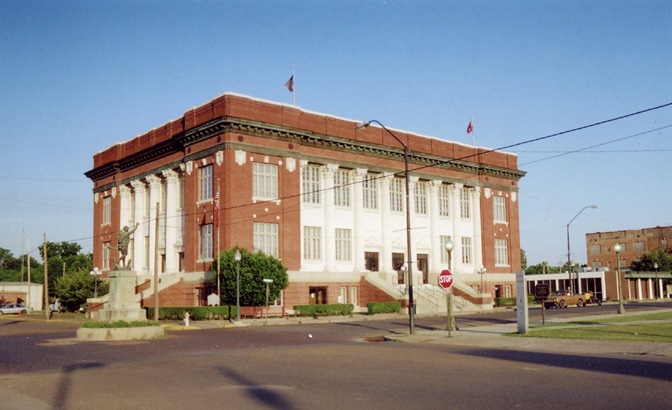

Geography and environment
Phillips County’s landscape is dominated by broad alluvial plains, wetlands and oxbow lakes formed by the river’s historic shifts. Rich, loamy soils have traditionally supported commodity crops such as cotton, rice and soybeans. The river and associated backwaters also create important habitat for migratory birds and freshwater fisheries.
History and development
The county was organized on May 1, 1820 as settlement expanded west of the Mississippi. Its economy and settlement patterns were shaped by antebellum plantations, the river trade, and later by railroads and mechanized agriculture. Helena was the scene of military activity during the Civil War, and historic sites from that era remain part of the county’s heritage.
Economy, culture and communities
Today the county combines agricultural production with small urban centers, cultural institutions and tourism connected to its Delta music traditions and Civil War history. Helena-West Helena serves as the cultural and administrative hub, with riverfront parks, museums and annual events that celebrate local music and history.
Notable features
- Riverfront location on the Mississippi River and related wetlands.
- Historic sites and museums in Helena-West Helena chronicling 19th-century and Civil War history.
- Longstanding agricultural role within the larger Arkansas Delta region.
For readers seeking more detailed demographic or administrative data, county profiles and census materials provide updated figures and maps; local historical societies preserve records of settlement, commerce and cultural life in Phillips County.
Related articles
Author
AlegsaOnline.com Phillips County, Arkansas Leandro Alegsa
URL: https://en.alegsaonline.com/art/76483
Sources
- quickfacts.census.gov : "State & County QuickFacts"
- naco.org : "Find a County"