
Phablet — hybrid smartphone and tablet device
A phablet is a mobile device that combines elements of smartphones and tablets, typically with a 5.1–7 inch screen. This article explains design, history, uses, and how it differs from phones and tablets.
Overview
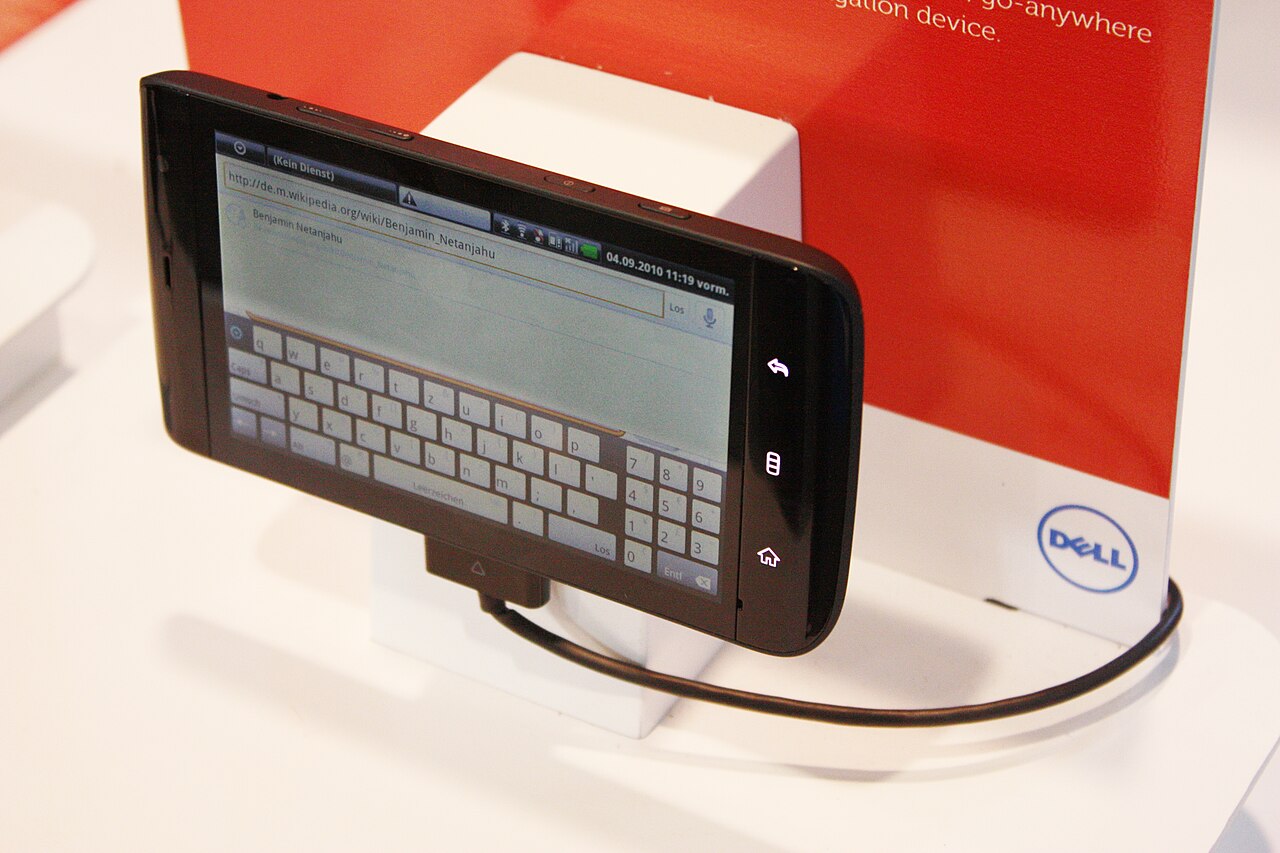
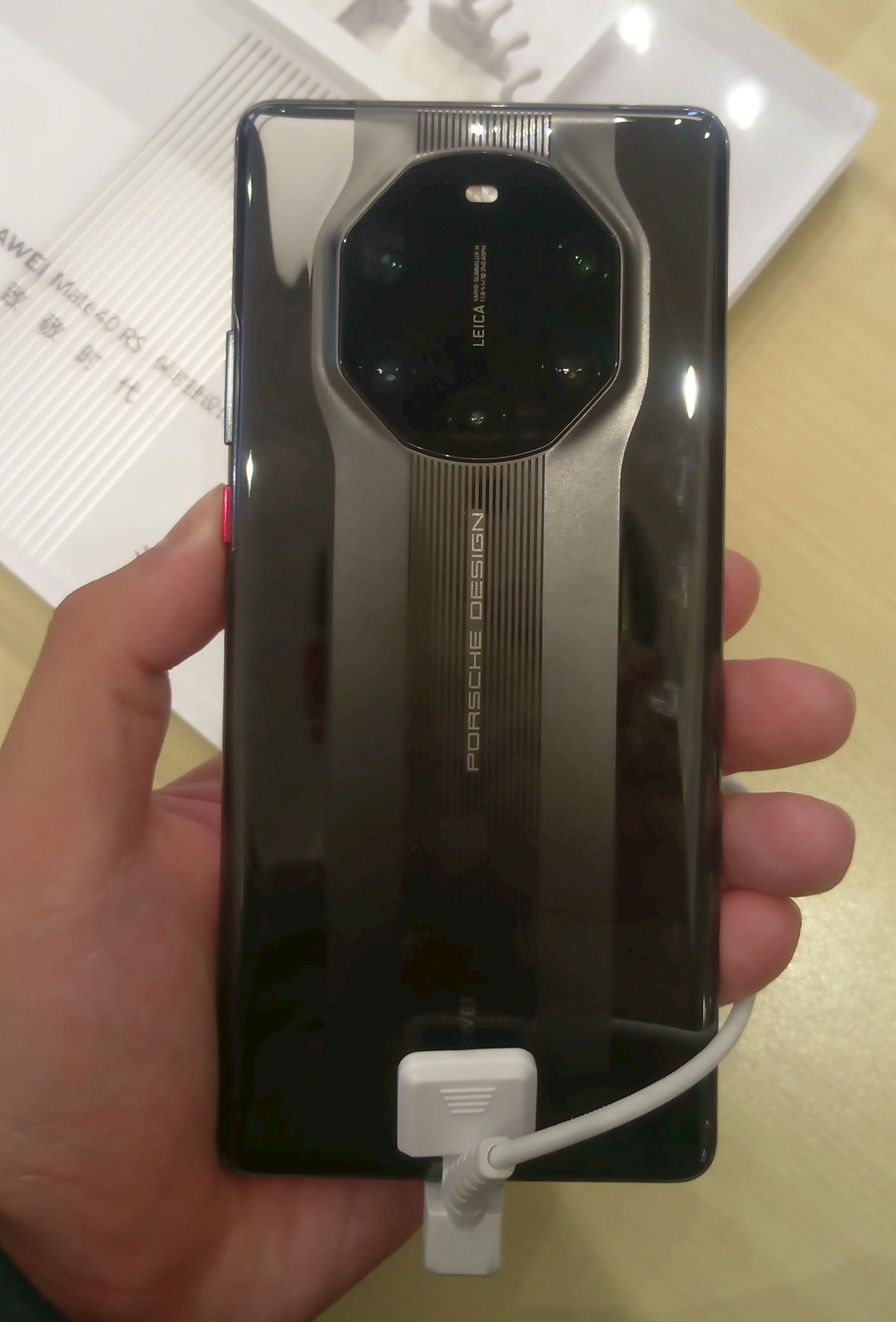
A phablet is a category of handheld computing device that blends features of a mobile phone and a tablet. Coined from the words "phone" and "tablet," the term describes devices with larger touchscreens than typical smartphones but smaller than traditional tablets. Screen diagonal sizes commonly associated with phablets fall roughly in the 5.1–6.99 inch range, a size that aims to balance portability with a more comfortable reading and multimedia experience. Early usage emphasized the device's role for one-handed calling and two-handed content consumption.
Image gallery
9 Images




Characteristics
Phablets sit between phones and tablets in both size and capability. Key characteristics include:
- Large touchscreen optimized for web browsing, reading, and video playback — activities often experienced on tablets and enhanced over smaller phones.
- Cellular and telephony functions identical to smartphones, plus mobile data and voice calling.
- Hardware that may include higher-capacity batteries, multi-core processors, and improved cameras to support multimedia use.
- Input options that sometimes include styluses or advanced on-screen keyboards to exploit the extra display area.
History and development
The phablet concept emerged as touchscreens and mobile processors improved and consumers demanded larger displays for media and productivity. Manufacturers began offering larger-screen handsets in the early 2010s, and market reaction helped normalize bigger phones. Over time, the distinction between large smartphones and phablets blurred as mainstream flagship phones adopted bigger screens, higher resolutions, and slimmer bezels. The form factor influenced design trends such as reduced bezels and taller aspect ratios.
Uses and importance
Phablets are commonly used for activities that benefit from a larger display: mobile web and app browsing, video streaming, e-book reading, gaming, and basic productivity tasks such as email and document editing. Many users prefer phablets when they want a single device that offers better media consumption than a small phone without the bulk of a tablet. Their combination of phone functionality and an expanded screen also makes them popular among professionals who need on-the-go access to documents and presentations.
Distinctions and notable facts
Although once a distinct category, phablets today overlap heavily with what manufacturers call "large-screen smartphones." The term still helps describe devices optimized for media and multitasking. When comparing options, consumers often weigh screen size against pocketability, battery life, and one-handed usability. For quick comparisons and device specifications, many buyers consult online reviews and comparison tools provided by manufacturers and retailers; for broader device categories see sources listed at mobile device resources and entries on smartphone and tablet technologies. Streaming and video examples are commonly cited when discussing the practical benefits of larger displays, such as watching movies or editing images on the go — see further reading at multimedia guides.
Summary
The phablet represents a practical compromise between handheld convenience and a larger workspace for content. While marketing terms evolve, the core idea remains: provide a single, portable device that improves reading, viewing, and productivity without fully sacrificing the telephony and portability of a smartphone.
Related articles
Author
AlegsaOnline.com Phablet — hybrid smartphone and tablet device Leandro Alegsa
URL: https://en.alegsaonline.com/art/76319
Sources
- techland.time.com : "Phablets Are a Niche, Not a Fad"