
Phone connector (audio jack): overview, types, and uses
A concise guide to the phone connector (audio jack): what it is, common sizes and wiring (TS/TRS/TRRS), history, typical uses in instruments and headphones, and balanced vs unbalanced connections.
Overview
A phone connector—often called an audio jack, jack plug, or phone plug—is a simple, widely used electrical plug for analog audio signals. It serves to carry one or more channels of audio between devices such as headphones, instruments, mixers, and other audio systems. The connector is valued for its mechanical simplicity, ease of insertion and removal, and broad compatibility across consumer and professional equipment.
Image gallery
10 Images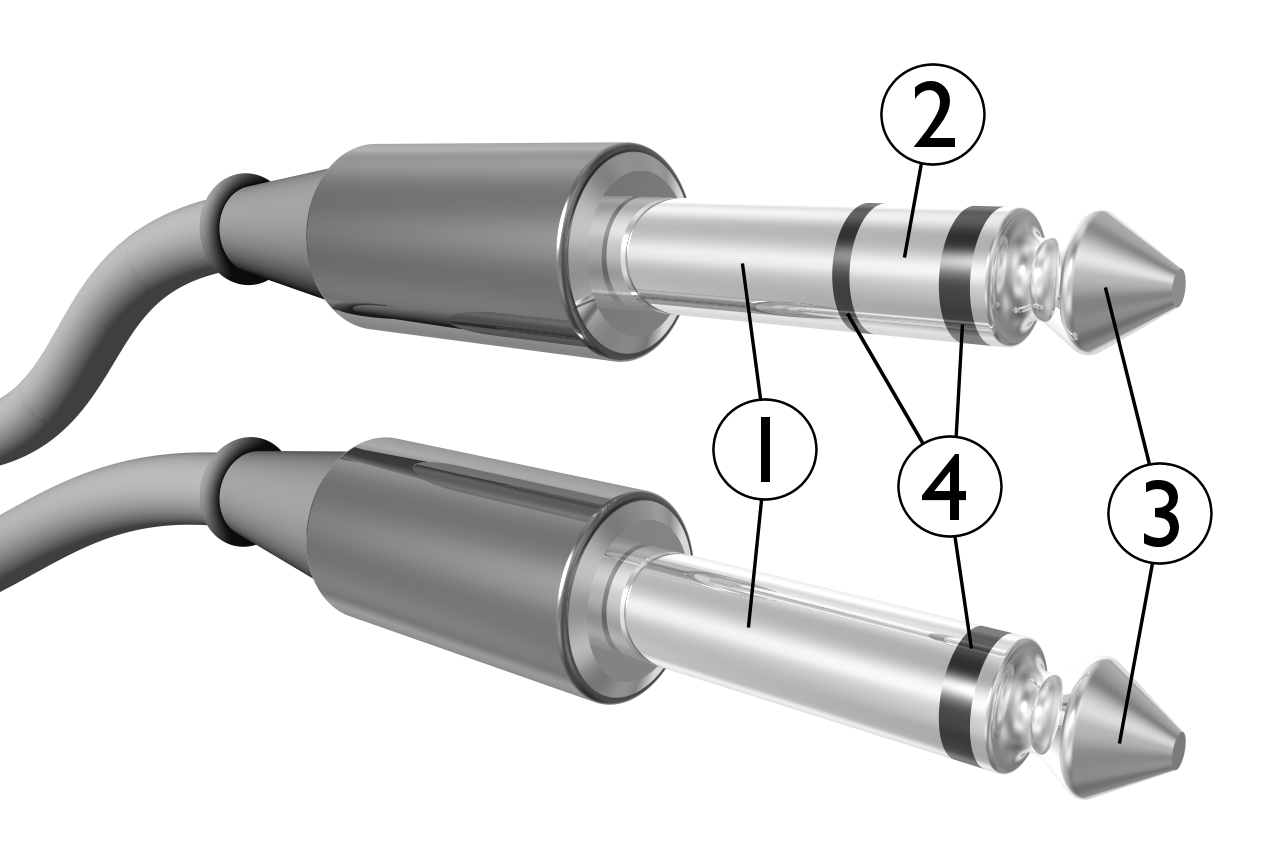


Sizes and construction
Phone connectors are produced in a few standard sizes. The most common are common sizes specified by their shaft diameters: the large 6.3 mm (¼ inch), the compact 3.5 mm (commonly called mini), and the smaller 2.5 mm (sub-mini). These diameters determine mechanical fit and are used for different classes of devices. Typical connectors have one to four conductors and are built from a metal shaft with insulating rings and a body that may be gold- or nickel-plated for improved conductivity and wear resistance.
Wiring conventions and signal types
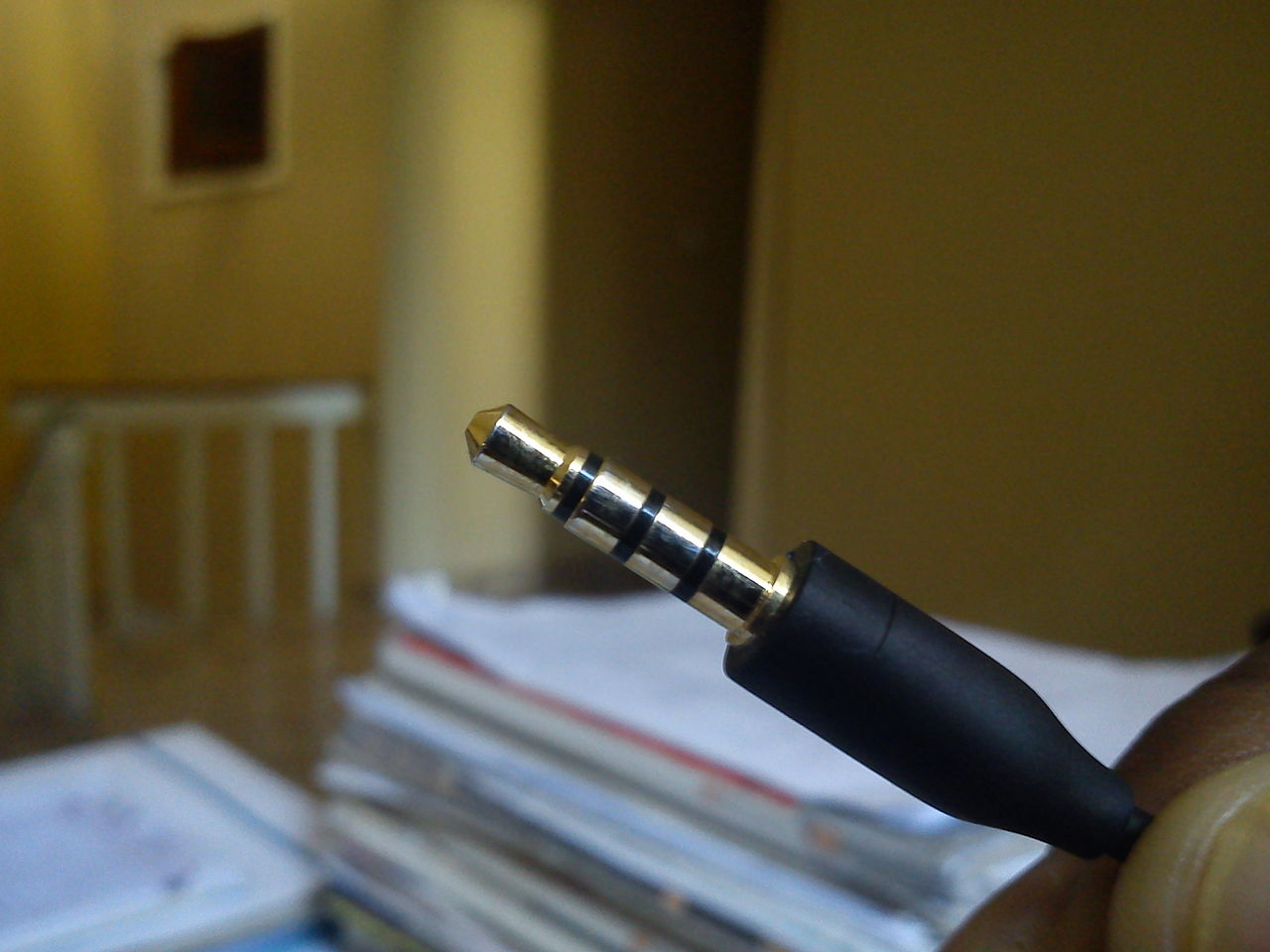
Wiring of phone connectors follows a tip–ring–sleeve (TRS) convention for two- or three-conductor plugs and tip–ring–ring–sleeve (TRRS) for four-conductor types. A TS connector (tip–sleeve) carries a single mono signal, TRS can carry stereo (left/right) or a balanced mono pair, and TRRS adds a second return or microphone connection for headsets. Using a TRS plug in a balanced configuration helps reduce noise; see examples of balanced wiring in professional audio equipment.
History and development
The name "phone connector" derives from early telephone switchboard plugs; the basic design predates modern audio electronics and was adapted for musical and consumer audio as devices proliferated. Over decades the connector evolved into standard sizes and wiring conventions that allowed interoperability across manufacturers and categories—from studio consoles to portable players.
Uses, examples, and practical notes
Phone connectors appear on many instruments and accessories. For example, an electric guitar commonly uses a 6.3 mm TS cable to connect to an amplifier. Headphones often use a 3.5 mm TRS plug, while some mobile headsets combine stereo and microphone contacts in a TRRS form. Microphones with weak signals benefit from balanced connections, and proper cabling can reduce hum and interference when recording or amplifying sound—this is particularly relevant to microphones.
Practical distinctions and notable facts
- Choose the correct size and contact count (TS/TRS/TRRS) to match the device.
- Balanced wiring lowers noise but requires compatible gear; unbalanced is simpler and common for guitar and consumer use.
- Mechanical wear is a frequent cause of failure—clean contacts and use of plugs with good plating can extend life.
Understanding these basics helps users select the right connector for an application and troubleshoot common audio problems, while retaining the flexibility that has made the phone connector a long-lived component of sound technology.
Related articles
Author
AlegsaOnline.com Phone connector (audio jack): overview, types, and uses Leandro Alegsa
URL: https://en.alegsaonline.com/art/76554