
Peter Cook (1937–1995)
Overview of English satirist Peter Cook: career, collaborations (notably with Dudley Moore), Beyond the Fringe, Private Eye, Derek and Clive, signature characters, style, influence and legacy.
Peter Cook was an English satirist, writer, actor and comedian whose work reshaped British comedy in the 1960s and beyond. Born in Torquay in 1937, Cook rose to prominence with the stage revue Beyond the Fringe and became widely recognised for a sharp, literate form of humour that combined parody, absurdism and verbal dexterity. His career included television, film, stage, recordings and regular contributions to satirical publishing.
Image gallery
6 Images

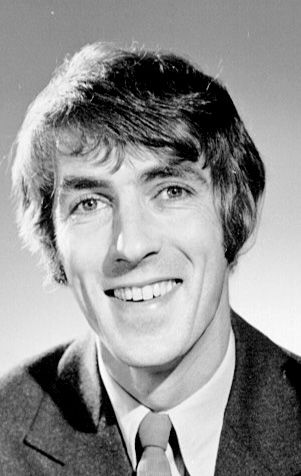


Early life and education
Cook was educated at public school and later read at university, where he became involved with student revue and comedy groups that helped him refine a conversational, deadpan delivery. His early success in revue led to professional engagements and the opportunity to bring a new, theatrical form of satire to mainstream audiences in Britain and abroad.
Career and collaborations
Cook is best known for his long-running creative partnership with Dudley Moore. The pair reached television audiences with the sketch series Not Only... But Also, and worked together on film projects including the original Bedazzled. In the 1970s they also recorded a series of improvised and deliberately provocative sessions as Derek and Clive, which displayed a willingness to push boundaries and explore coarser comic territory.
Writing, publishing and public engagement
Beyond his performances, Cook played a role in the founding and development of the satirical magazine Private Eye, which became an influential voice in British media satire. He also appeared at charity benefit events and supported causes through benefit performances, including work connected to organisations such as Amnesty International, demonstrating a public profile that mixed entertainment with civic awareness.
Style, characters and critical reception
Cook’s humour combined dry irony, quick repartee and a capacity for creating enduring comic personae. He developed memorable characters—arrogant interviewers, pompous authority figures and surreal storytellers—that allowed him to expose pretension and social absurdities. Critics and fellow comedians often cite Cook’s influence on later British satire, alternative comedy and writers who prized verbal precision and subversive wit.
Later life and legacy
Cook continued to work on stage, radio and television through the later decades of his life, though his career was affected by personal difficulties and health issues. He died in 1995 in Hampstead of liver-related illness. Since his death his work has been the subject of retrospectives, biographies and critical studies that assess his contribution to 20th-century satire and comic craft. Readers can consult various biographies, archival collections and critical essays for deeper study.
Selected works and notable items
- Beyond the Fringe — stage revue, 1960s.
- Not Only... But Also — television sketch series with Dudley Moore.
- Bedazzled — film combining satire and fantasy elements.
- Private Eye — satirical magazine he helped establish.
- Derek and Clive — improvised recordings with Dudley Moore.
Further resources include contemporary reviews, anthology volumes of sketches and scripts, and recorded interviews. Cook’s influence persists in the work of comedians and writers who value linguistic inventiveness and a willingness to challenge social norms through humour.
Related articles
Author
AlegsaOnline.com Peter Cook (1937–1995) Leandro Alegsa
URL: https://en.alegsaonline.com/art/76081