
Peter Dickinson (1927–2015) — English author of children's fiction and detective stories
Peter Dickinson was an English writer celebrated for imaginative children's novels and crime fiction. He won two Carnegie Medals and was a 2000 Hans Christian Andersen Medal finalist.
Overview
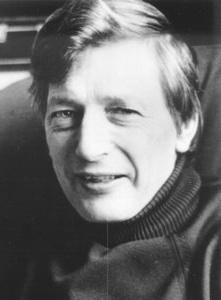
Peter Malcolm de Brissac Dickinson OBE FRSL (16 December 1927 – 16 December 2015) was an English writer whose work spanned imaginative children's novels, crime and detective fiction, poetry and short stories. He is widely remembered for the literary quality of his children's books and for a parallel career producing mysteries and speculative fiction for adult readers. Dickinson's career combined literary seriousness with narrative inventiveness, and he remained an influential figure in late 20th-century British children's literature.
Image gallery
2 Images
Career and genres
Dickinson published a steady output of novels and shorter works that often blurred genre boundaries. He wrote full-length novels for young readers as well as series and stand-alone works for adults. His output included historical themes, speculative or near-future settings, and traditional detective plots. Across these forms he explored moral ambiguity, social change, and ethical dilemmas, often resisting simple resolutions in favour of complexity and moral tension.
Style and recurring themes
Reviewers and readers have noted Dickinson's clear, economical prose and his willingness to challenge young readers with serious ideas. His books commonly examine the consequences of power, the responsibilities of adults to children, and the ways societies change under pressure. Even when a novel uses elements of mystery or the supernatural, Dickinson tended to ground the story in human motivations and precise characterization.
Selected works and forms
- Children's novels: award-winning titles and many other notable books that combined thoughtful themes with engaging plots.
- Detective and crime fiction: a body of adult novels and short stories contributing to his reputation beyond the children's market.
- Poetry and short fiction: occasional collections and individual pieces published across his career.
Awards, recognition and distinctions
Dickinson received several major honours during his life. He won the Carnegie Medal twice, for Tulku (1979) and City of Gold (1980), recognition given to outstanding children's books by British authors; through 2012 he was one of only seven writers to have won the medal twice. He was also a finalist for the Hans Christian Andersen Medal in 2000, an international award for authors of children's literature. For his contributions to literature he was appointed an OBE and elected a Fellow of the Royal Society of Literature.
Legacy and death
Peter Dickinson continued to be read and discussed after his death on 16 December 2015 in Winchester, Hampshire, which coincided with his eighty-eighth birthday. His work is often cited in surveys of modern British children's fiction for its intelligence and moral seriousness. For further biographical information, bibliographies and critical discussion, see these resources: biographical profile, bibliography and publications, awards and honours, critical essays and reviews, and an archival or memorial page at a memorial resource.
If you are exploring his writing for the first time, beginning with the works that won major awards gives a sense of the concerns and narrative strengths that made his books widely admired by readers and critics alike.
Related articles
Author
AlegsaOnline.com Peter Dickinson (1927–2015) — English author of children's fiction and detective stories Leandro Alegsa
URL: https://en.alegsaonline.com/art/76083
Sources
- bbc.com : "Children's author Peter Dickinson dies"
- robinmckinleysblog.com : "Days in the Life* With Footnotes*"