
Petén Department — Guatemala’s northernmost and largest department
Petén is the largest, northernmost department of Guatemala, known for extensive lowland rainforests, Maya archaeological sites such as Tikal, the capital Flores, and large protected areas and biodiversity.
Petén is a department in the north of Guatemala. Covering roughly 12,960 square miles (about 33,600 km²), it is the country’s largest administrative division and makes up about one third of Guatemala’s land area. The departmental capital is Flores, a town built on a small island in Lake Petén Itzá linked to the mainland by causeways. Petén is sparsely populated relative to its size; official counts placed the population near 450,000 in 2005.
Image gallery
10 Images


Geography and environment
Petén consists mainly of lowland tropical forest, seasonally flooded savannas, and a series of lakes and rivers. Its landscapes include dense rainforest within large reserves and scattered agricultural areas and ranches. The department contains parts of the Maya Biosphere Reserve and supports high biological diversity: mammals such as howler monkeys and jaguars, a rich bird assemblage including macaws, and numerous reptiles and amphibians.
Archaeology and cultural significance
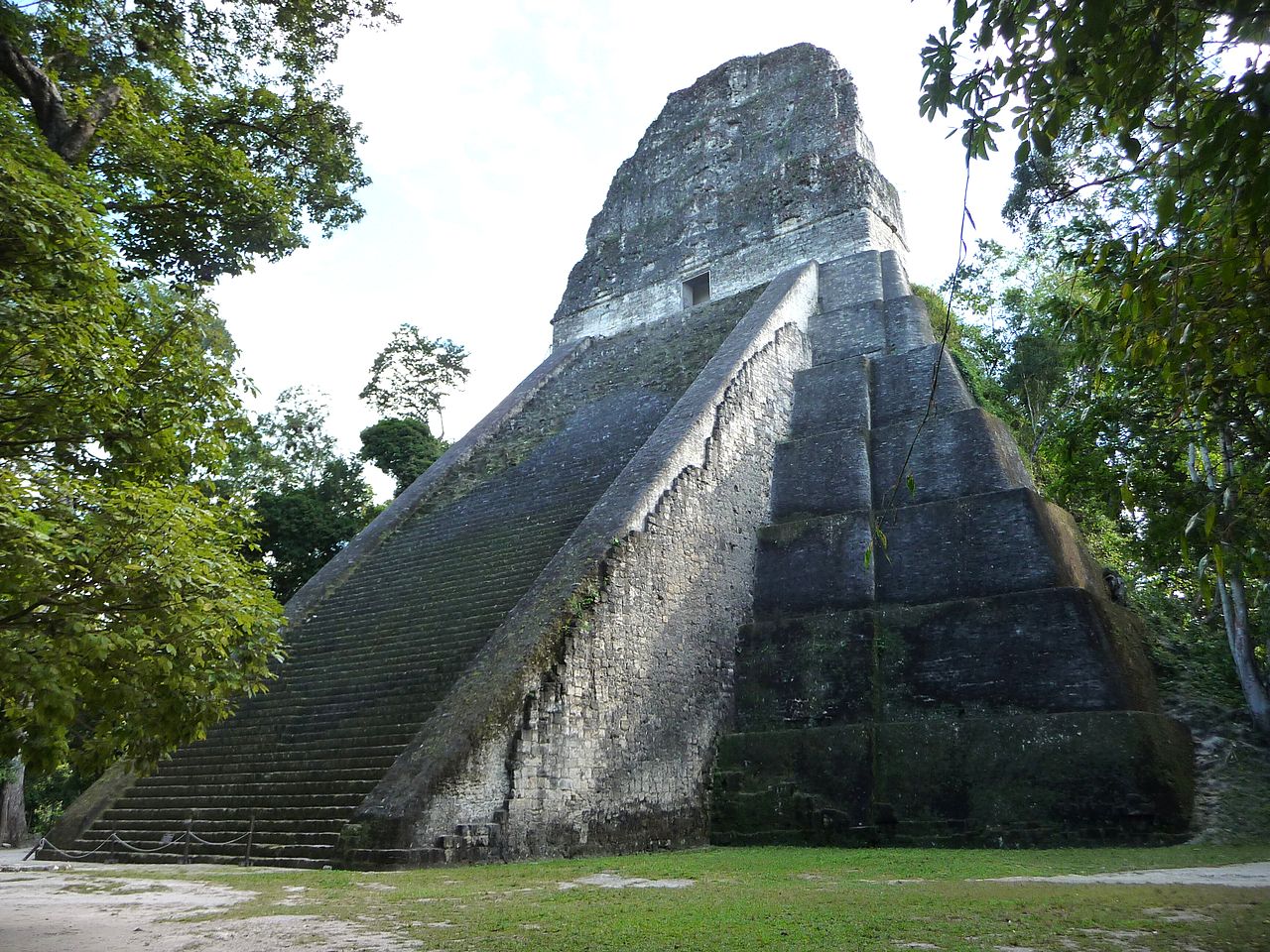
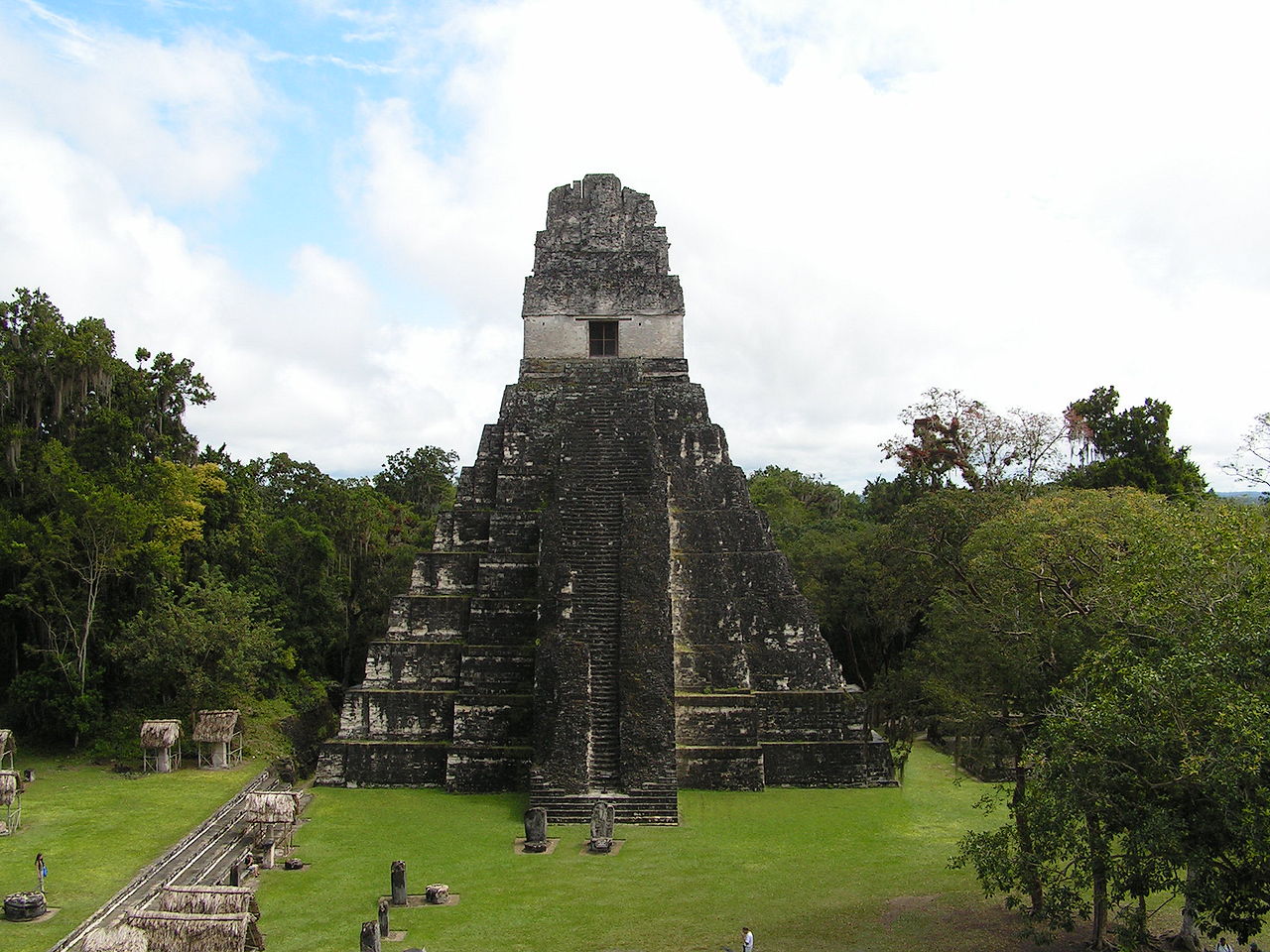
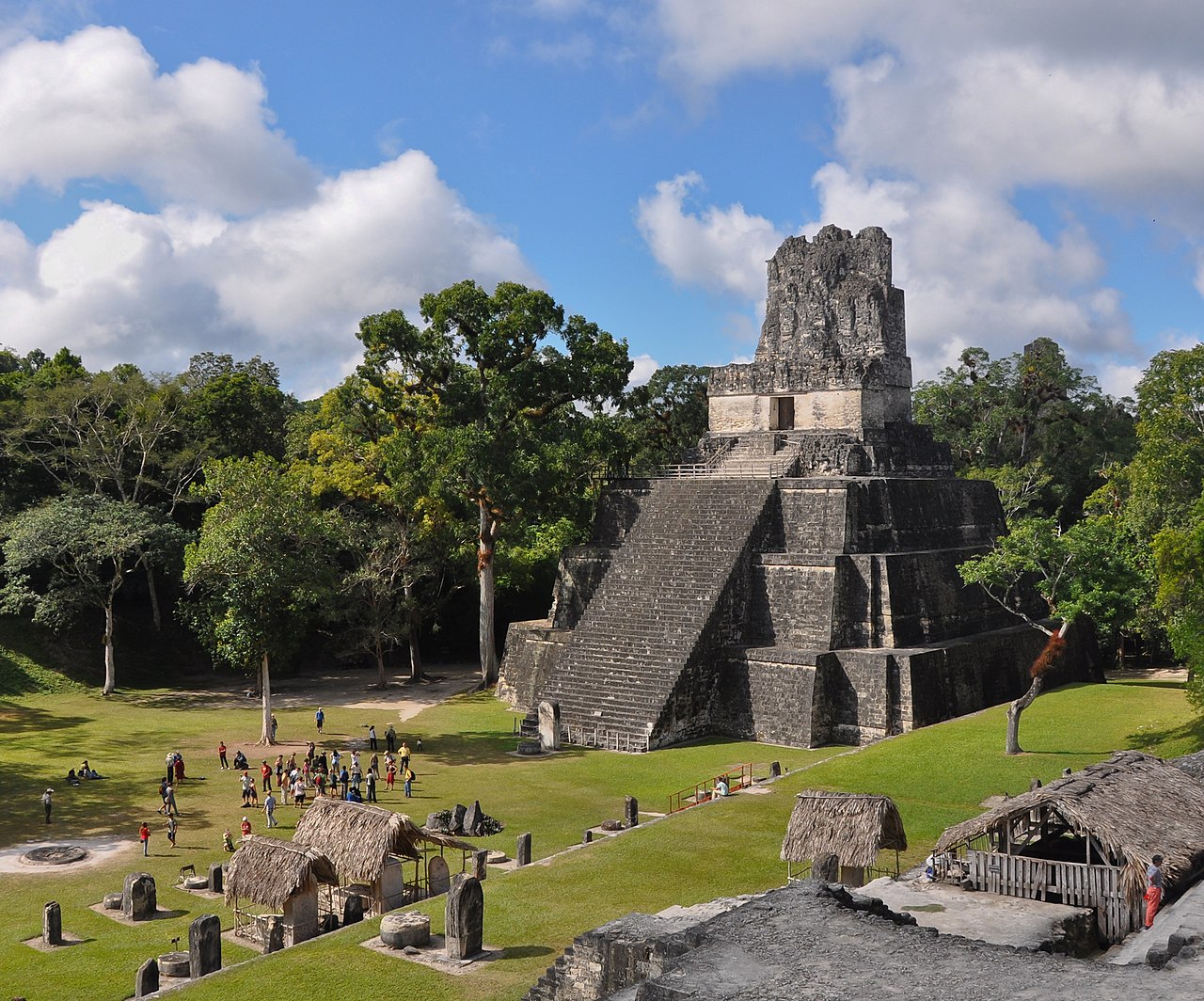
The region is one of the core areas of the ancient Maya civilization. Numerous Classic period city-states are found here, many with monumental architecture and inscriptions. The most famous archaeological complex is Tikal, a major Maya city and a UNESCO World Heritage Site. Other notable sites in Petén include Yaxhá, Uaxactún and El Mirador, which attract researchers and tourists interested in pre-Columbian history.
History and administration
During the colonial and early republican eras Petén was a remote frontier with sparse colonial settlement. The modern department of Petén was created by the Guatemalan government on 8 May 1866. Since then it has developed slowly, with population growth, new towns, and expanded agriculture, while much of the interior remained forested and difficult to access.
Economy, tourism and conservation
Local economies rely on subsistence and commercial agriculture, cattle ranching, forestry, and increasingly on tourism linked to archaeological sites and wildlife viewing. Conservation and sustainable development are central issues: large protected zones aim to preserve habitat, but Petén faces pressures from deforestation for agriculture and illegal logging. Ecotourism and archaeological management are important tools for balancing economic needs and conservation goals.
Notable facts
- Largest department of Guatemala by area and one of the least densely populated.
- Contains major Maya sites, including Tikal, an internationally significant archaeological complex.
- Home to extensive protected forests and the Maya Biosphere Reserve.
Questions and answers
Q: What is Petén Department?
A: Petén Department is a region in Guatemala.
Q: Where is Petén Department located in Guatemala?
A: Petén Department is geographically the most northern department of Guatemala.
Q: How big is Petén Department?
A: Petén Department is the largest in size at 12,960 square miles (33,600 km2), which is about one third of Guatemala's area.
Q: What is the capital of Petén Department?
A: The capital of Petén Department is Flores.
Q: When was Petén Department formed by the Guatemalan government?
A: Petén Department was formed on 8 May 1866 by the Guatemalan government.
Q: What was the population of Petén Department in 2005?
A: The population of Petén Department was about 450,000 in 2005.
Q: What is the significance of Petén Department in Guatemala?
A: Petén Department is significant because it is the largest department in the country and occupies a large portion of Guatemala's area.
Related articles
Author
AlegsaOnline.com Petén Department — Guatemala’s northernmost and largest department Leandro Alegsa
URL: https://en.alegsaonline.com/art/76063