
Periodic table: structure, trends, history, and uses
Comprehensive overview of the periodic table: its layout, major element groups and blocks, periodic trends, historical development, practical uses, and notable variations in modern chemistry.
Overview
The periodic table is an organized arrangement of the chemical elements, ordered by increasing atomic number. It displays recurring patterns in chemical and physical properties, known as periodicity, which help predict element behaviour and relationships. The table is an essential reference in chemistry, physics, materials science and related fields.
Image gallery
10 Images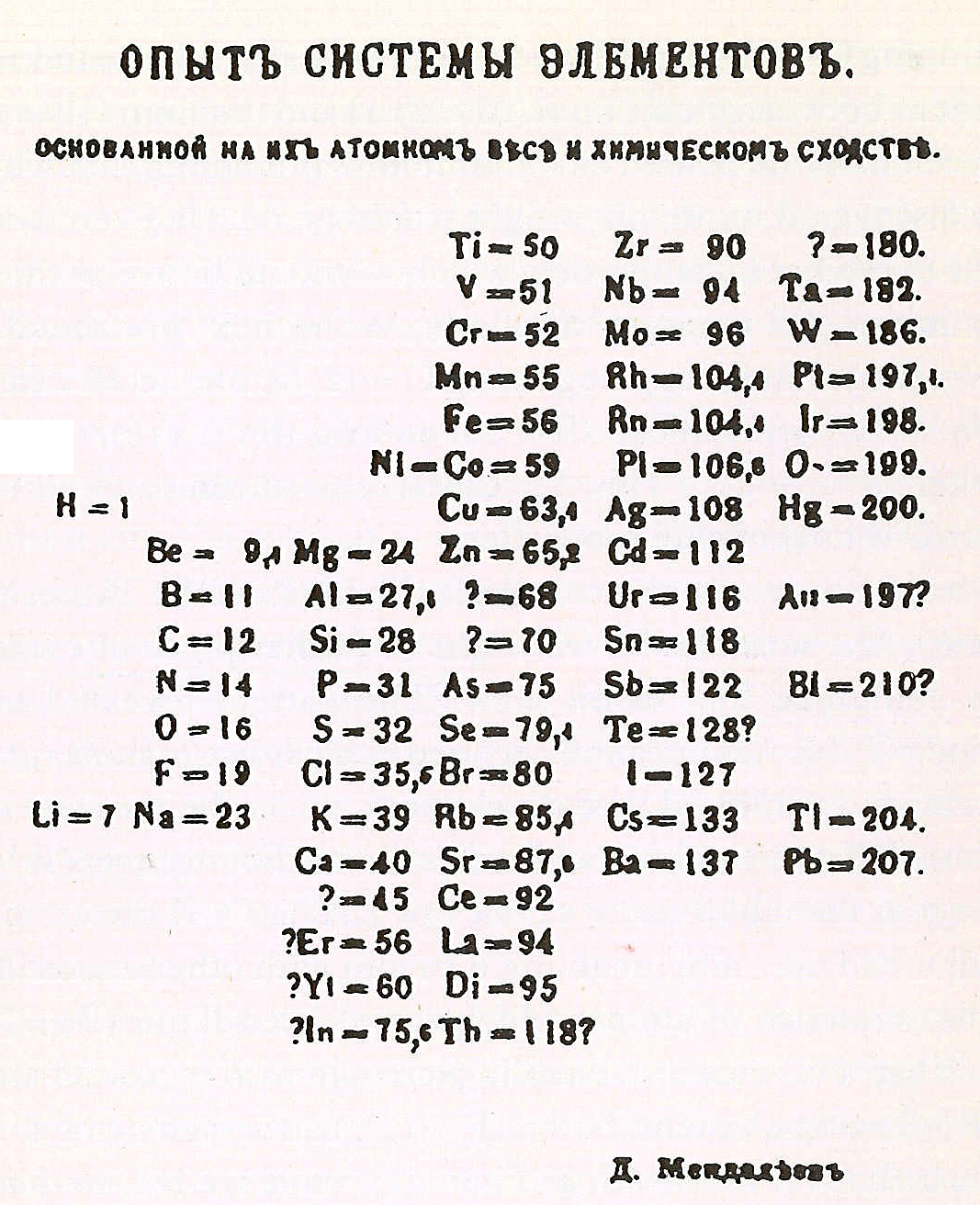




Structure and blocks
The table is organized in rows called periods and columns called groups. Elements are often grouped into blocks labeled s, p, d and f, reflecting the electron subshell being filled. Major families include the alkali metals, alkaline earth metals, transition metals, post-transition metals, metalloids, nonmetals, halogens and noble gases. The lanthanide and actinide series are usually shown as two separate rows below the main body.
Periodic trends
Certain properties change in regular ways across periods and down groups. Typical trends include atomic radius, ionization energy, electron affinity and electronegativity. For example, atomic size generally decreases across a period and increases down a group, while ionization energy often increases across a period and decreases down a group.
History and development
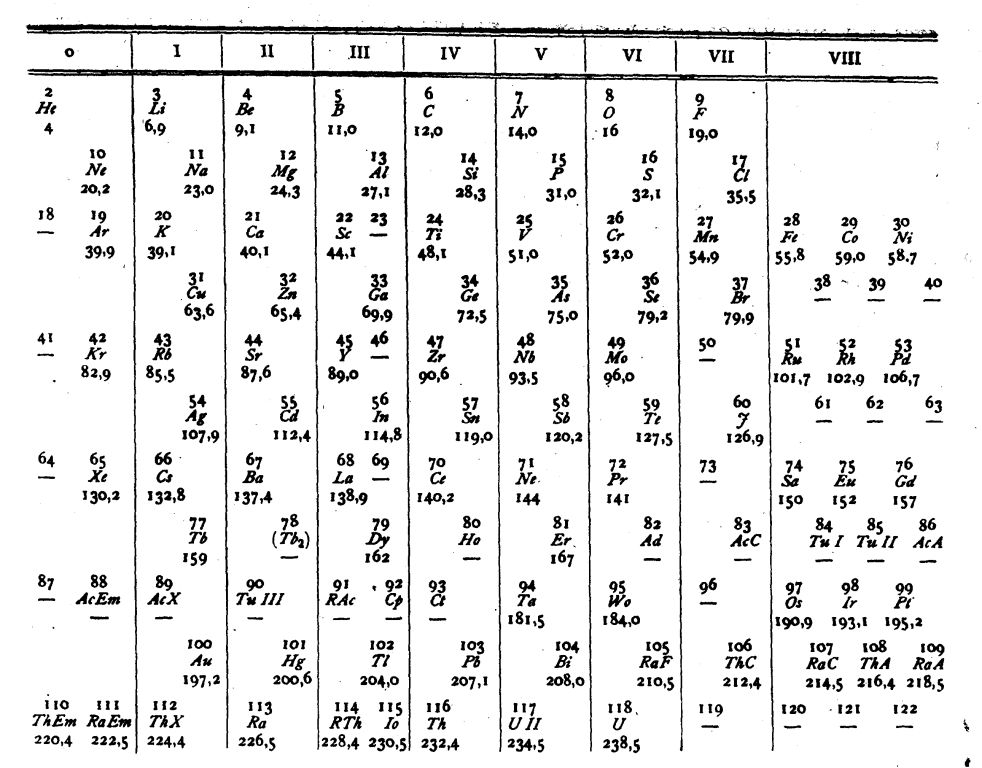
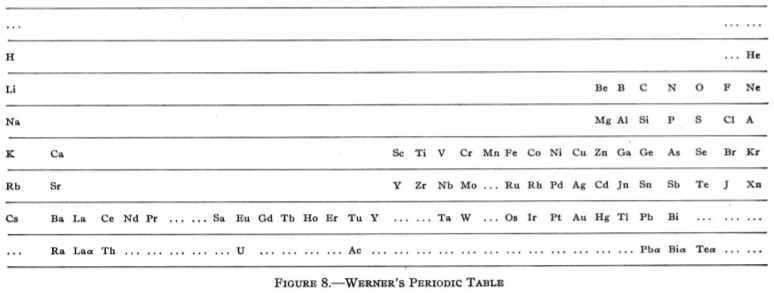
Early attempts to classify elements led to several arrangements, culminating in the modern periodic law which relates properties to atomic number rather than atomic weight. This framework was refined through discovery of more elements and understanding of electronic structure, producing the long-form table used today.
Uses and importance
The periodic table guides identification of element properties, prediction of compound formation, and selection of materials. It underpins chemical education and research, aids in discovering new elements, and provides a compact map for interpreting spectra, reactivity and bonding.
Variations and notable facts
Alternative layouts exist to emphasize different relationships or quantum-mechanical perspectives. New, synthetic elements continue to be added after confirmation and naming by international bodies. The table remains a central, evolving tool that summarizes core chemical knowledge in a single chart.
Related articles
Author
AlegsaOnline.com Periodic table: structure, trends, history, and uses Leandro Alegsa
URL: https://en.alegsaonline.com/art/75831