
Period 6 elements (sixth row of the periodic table)
The 32 elements of period 6, from caesium to radon, including the lanthanide series; their electronic structure, major subgroups, uses and notable chemical features.
Overview
A period 6 element is an element that lies in the sixth row, or period 6, of the periodic table. This row contains 32 chemical elements, beginning with caesium (Cs) and ending with radon (Rn). Among these are the lanthanides, a contiguous subset often treated separately but occupying positions within period 6.
Image gallery
10 Images

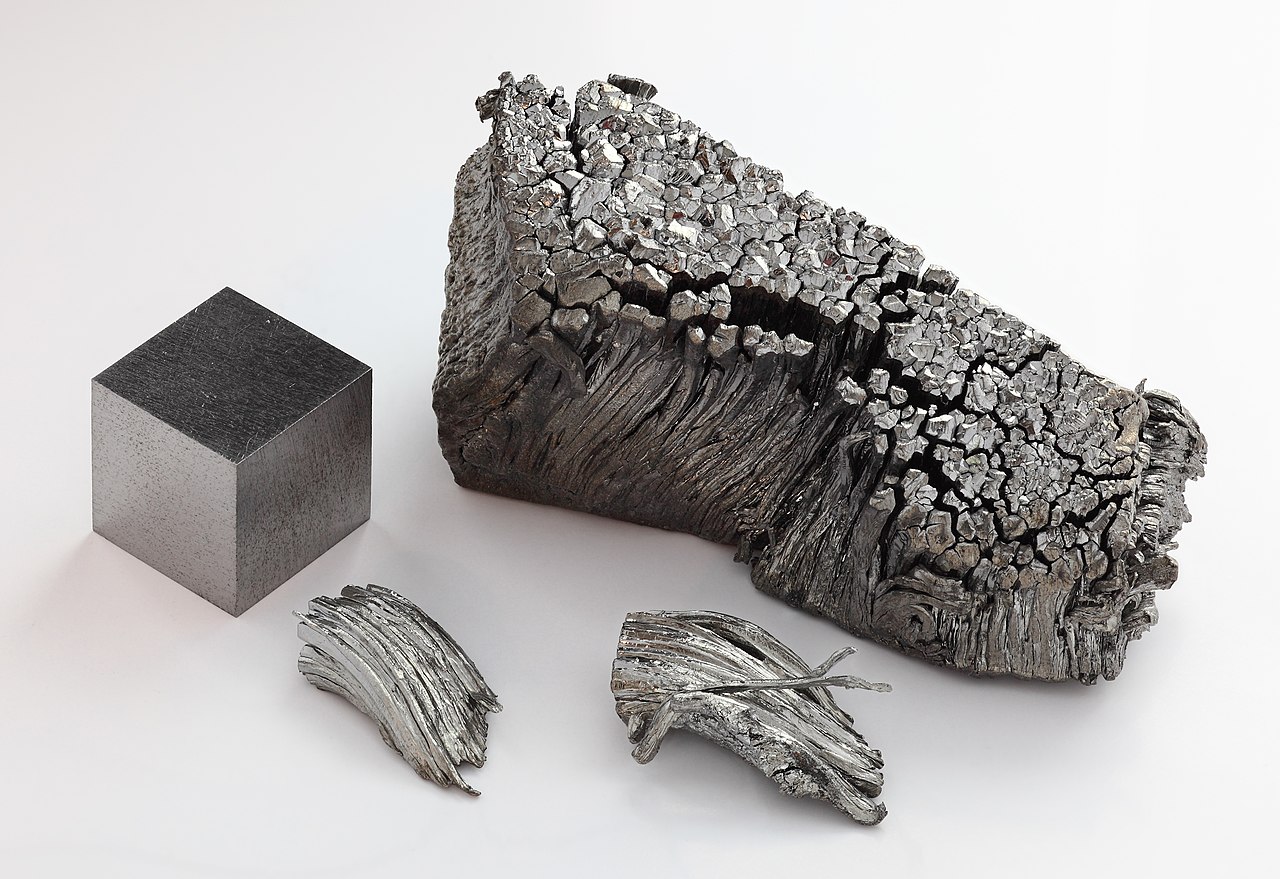

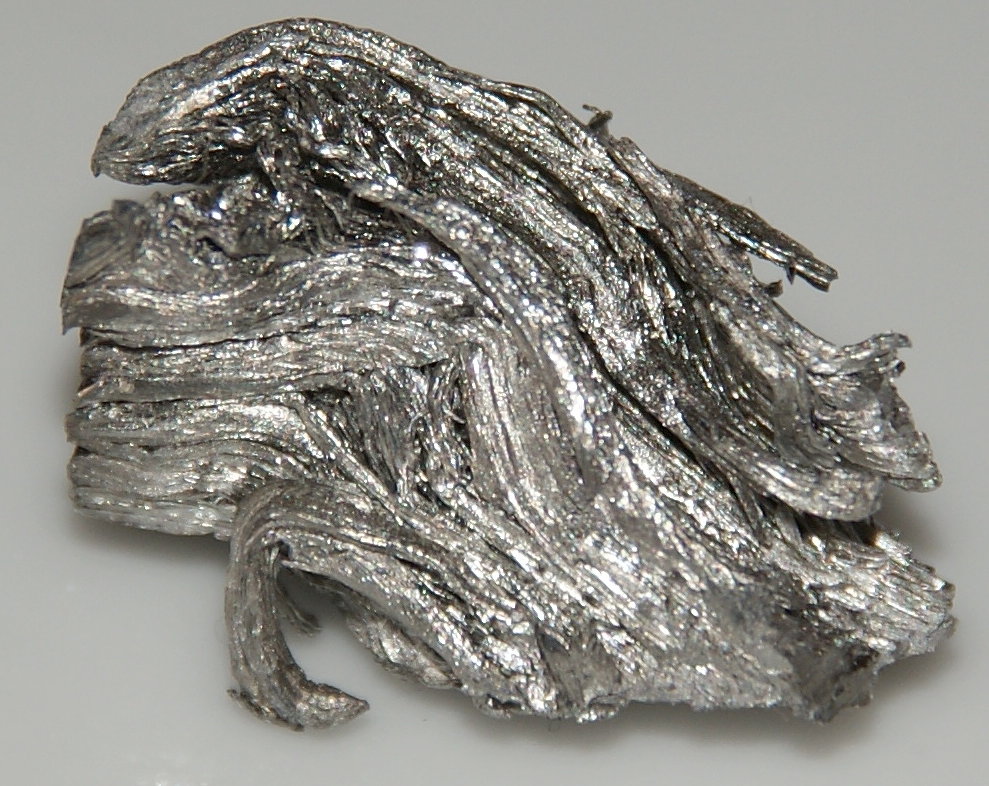
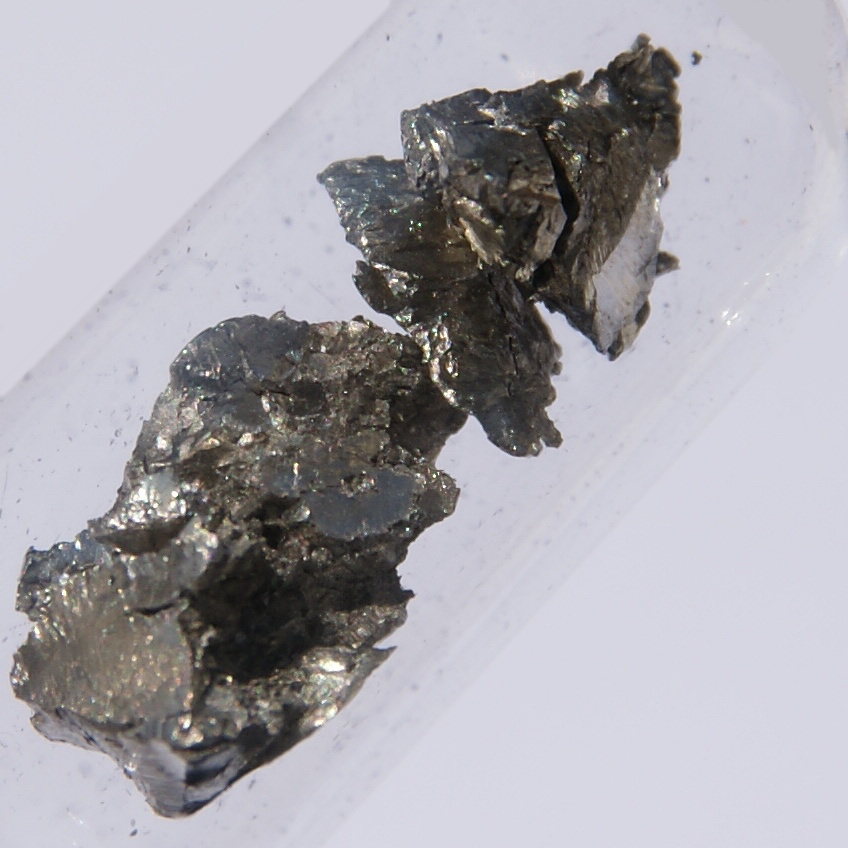


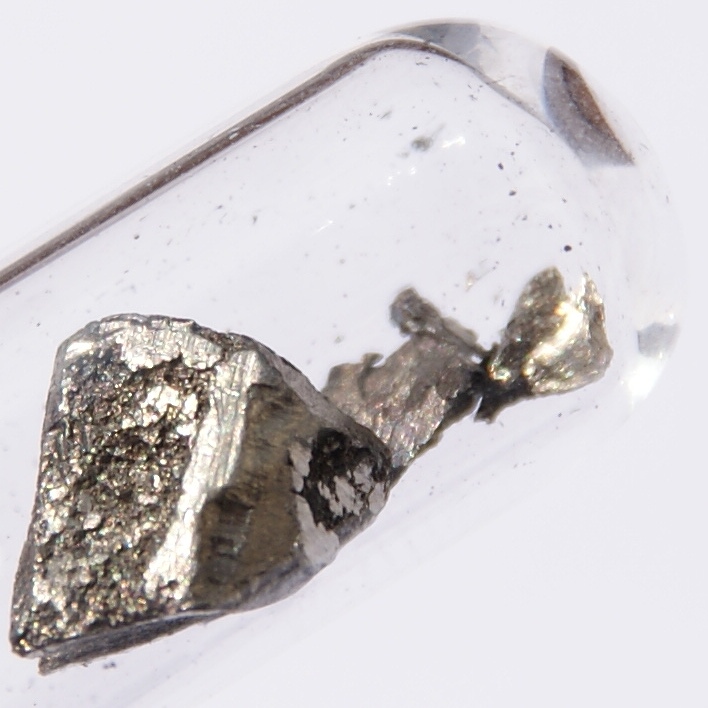
Electronic structure and position
Elements of period 6 have electrons in six principal shells and add one electron to the atom as atomic number increases by one. The general filling order for this period places two electrons into the 6s orbital, up to fourteen into the 4f subshell (the lanthanides), up to ten into 5d orbitals, and up to six into 6p orbitals. Texts discussing shell occupation and behavior of these electrons may be found via resources such as electron shell references and orbital descriptions. The presence of 4f electrons gives many period 6 elements distinctive magnetic, optical and chemical characteristics.
Subgroups and common members
Period 6 spans several traditional chemical families. It includes an alkali metal at the left end, an alkaline earth metal, a block of f‑block lanthanides, transition metals across the middle of the row, and post‑transition metals, metalloids, a halogen and a noble gas toward the right. The lanthanide series (lanthanides) is commonly listed separately because its 4f filling produces a coherent subset with similar properties.
- Alkali and alkaline earth metals: highly reactive, typical metallic character.
- Lanthanides (f-block): strong magnetic and optical activity, used in specialty materials.
- Transition and post‑transition metals: include many dense, conductive elements used in industry.
- Right‑hand elements: include metalloids, a halogen and the noble gas radon.
History and terminology
Discovery and isolation of period 6 elements occurred over many decades, from the late 18th century through the 20th century. The lanthanides were historically called "rare earths" because their minerals were uncommon and chemically similar, making separation difficult. Advances in analytical chemistry and spectral methods enabled isolation of individual lanthanide elements and clarified their placement in the table.
Uses and significance
Elements from this period play important roles in modern technology. Caesium has specialized uses in timekeeping, several lanthanides are critical for strong permanent magnets, catalysts and luminescent materials, and many transition metals from period 6 form the basis of industrial catalysts and high‑performance alloys. Heavy post‑transition elements likewise appear in electronics, radiation sources and lead‑based materials, while the noble gas at the end is notable for its radiological properties.
Notable chemical features
Period 6 elements illustrate trends that deepen understanding of periodic behavior: increasing atomic size and mass compared with earlier periods, rich variability in oxidation states, and the lanthanide contraction — a small but important reduction in ionic radii across the f‑block that influences bonding and separation chemistry. Because this row contains many heavy elements, relativistic effects can affect their chemistry and physical properties, a subject examined in modern inorganic chemistry.
Related articles
Author
AlegsaOnline.com Period 6 elements (sixth row of the periodic table) Leandro Alegsa
URL: https://en.alegsaonline.com/art/75819