
Period 2 elements (lithium through neon)
Overview of the second row of the periodic table: properties, electron structure, common uses, and how lithium, beryllium, boron, carbon, nitrogen, oxygen, fluorine and neon differ.
The term element in the second period of the periodic table refers to any of the eight chemical elements whose atomic numbers run from 3 to 10. These are, in order: lithium, beryllium, boron, carbon, nitrogen, oxygen, fluorine, and neon. Members of period 2 occupy the second row of the table and share a common pattern of electron filling that shapes their chemistry.
Image gallery
8 Images


Electron configuration and atomic structure
All period 2 atoms have electrons in two shells: a filled first shell and a partially or fully occupied second shell. The second shell contains electrons in the 2s and 2p subshells — two electrons enter the 2s orbital and up to six occupy the 2p orbitals — and this arrangement determines typical valence and bonding behavior. For a compact explanation of shells and their role, see electron shells.
Physical and chemical characteristics
Across the row there is a pronounced change from metallic to nonmetallic character. Lithium and beryllium are metals with relatively low electronegativity and tend to form cations, while boron is a metalloid. From carbon onward the elements are nonmetals, with neon a chemically inert noble gas. Period 2 atoms are small in size compared with heavier elements, which leads to strong bonds, high ionization energies, and, for some members, the ability to form multiple bonds (notably C, N and O).
Uses and examples
- Lithium is central to rechargeable batteries and lightweight alloys.
- Beryllium is used in aerospace components and X-ray windows because of its stiffness and low atomic mass.
- Boron appears in glass and detergents and as a semiconductor dopant.
- Carbon forms the basis of organic chemistry and appears in allotropes such as diamond and graphite.
- Nitrogen is a major component of the atmosphere and an essential element in fertilizers.
- Oxygen supports combustion and respiration and is a major component of the Earth’s crust and atmosphere.
- Fluorine is highly reactive and finds controlled use in fluorides and specialized chemicals.
- Neon is used in lighting and indicators because it emits visible light when energized.
Historical and chemical context
The elements of period 2 were identified and characterized over the course of modern chemistry’s development during the 18th and 19th centuries. Their placement in the second period reflects advances in understanding electronic structure and periodic trends. Period 2 is often cited in chemistry instruction because its compact set of eight elements exemplifies how electron shells and subshells control reactivity and bonding patterns.
Notable trends and distinctions
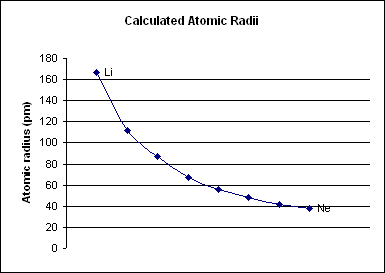
Moving left to right across period 2 there is an increase in nuclear charge that generally decreases atomic radius, increases ionization energy, and raises electronegativity. The row also illustrates how small atomic size leads to strong covalent bonding and, in the case of the light nonmetals, the formation of stable multiple bonds and diverse molecular compounds. For more introductory material and data tables consult sources with basic element summaries: element references and general periodic table resources.
Related articles
Author
AlegsaOnline.com Period 2 elements (lithium through neon) Leandro Alegsa
URL: https://en.alegsaonline.com/art/75815