
Period 4 elements (fourth row of the periodic table)
Elements in the fourth period (row) of the periodic table, spanning potassium to krypton; their electron shells, general properties, common uses and notable features of the 3d transition series.
Overview
The term "period 4 element" denotes any chemical element located in the fourth horizontal row of the periodic table. This row begins with potassium and ends with krypton. In total, period 4 contains 18 elements that include the alkali and alkaline earth metals, the 3d transition metals, and the p-block metalloids, nonmetals and noble gas of that row. Each element in this period has electrons occupying the first four electron shells; in other words they have valence electrons in the fourth shell (electron shells).
Image gallery
10 Images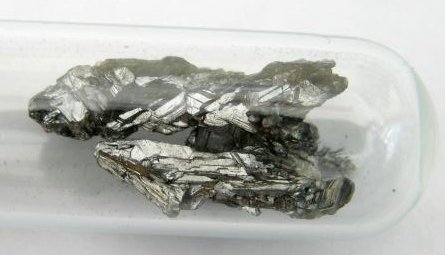
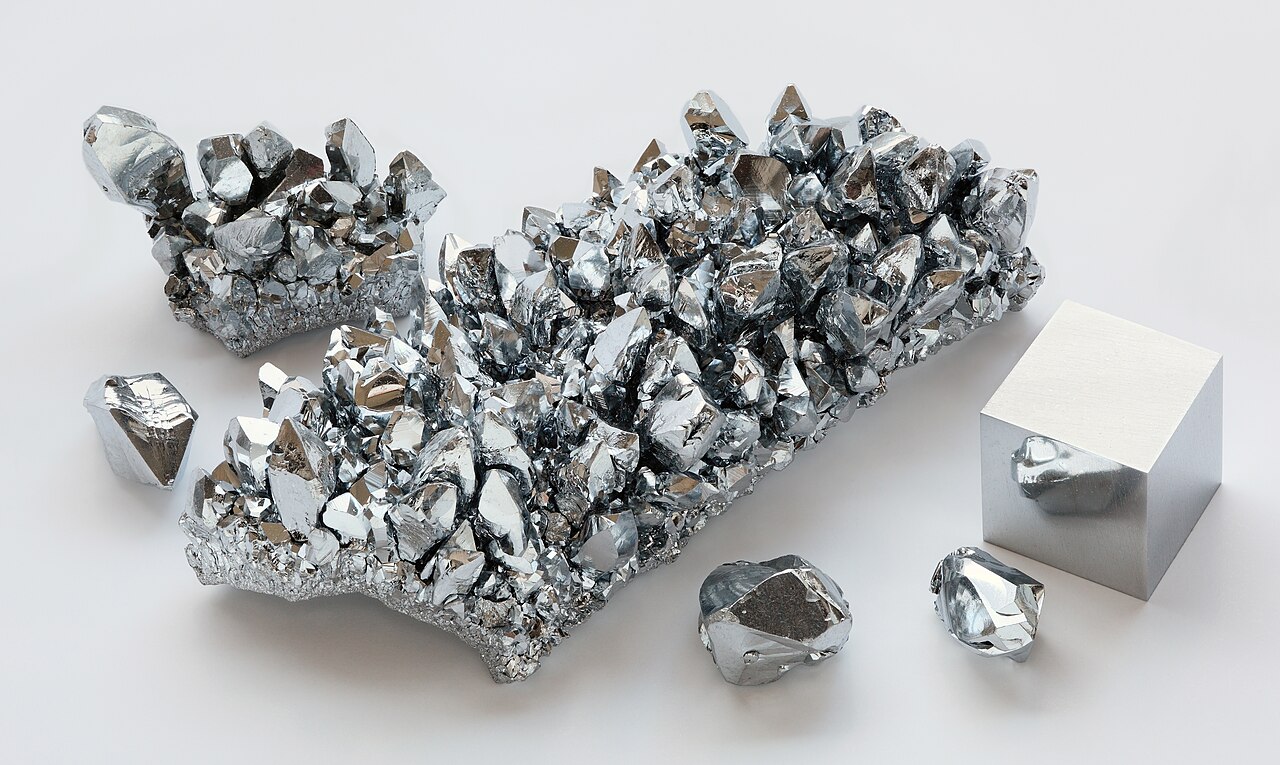


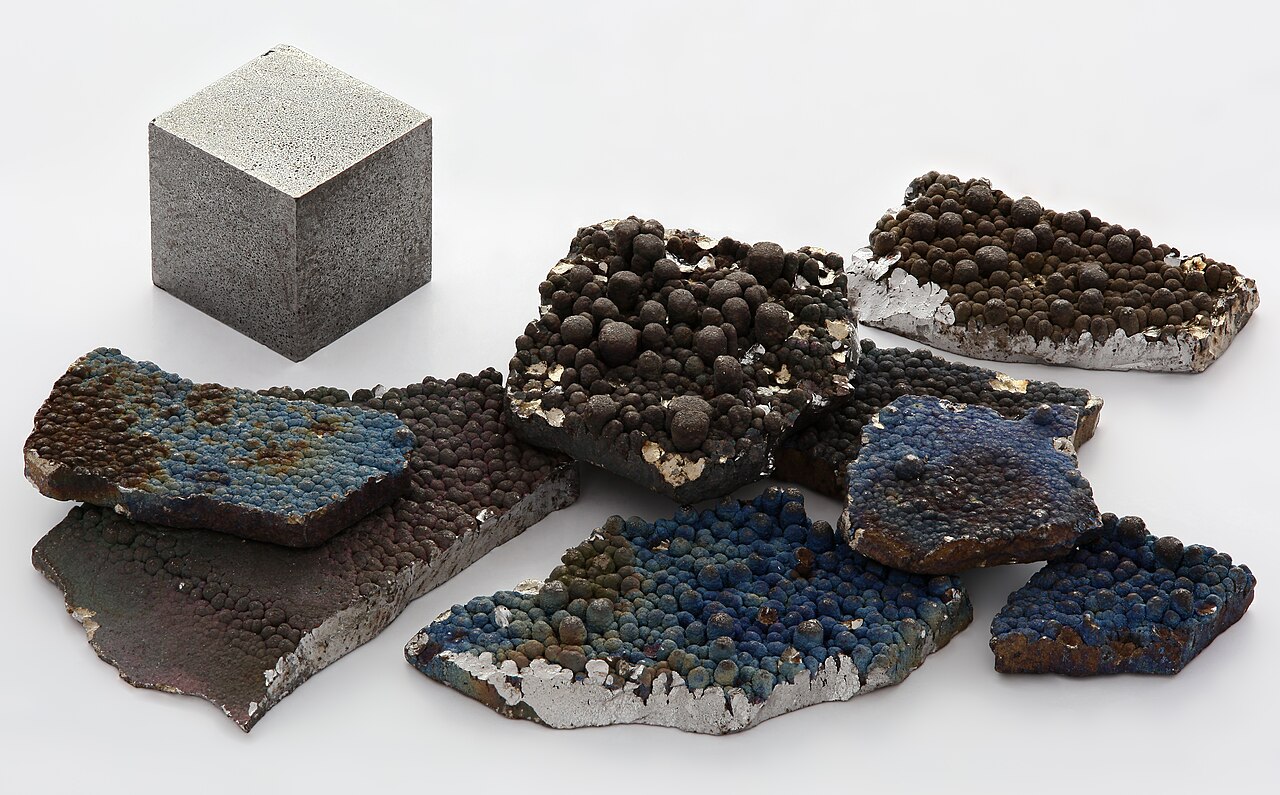
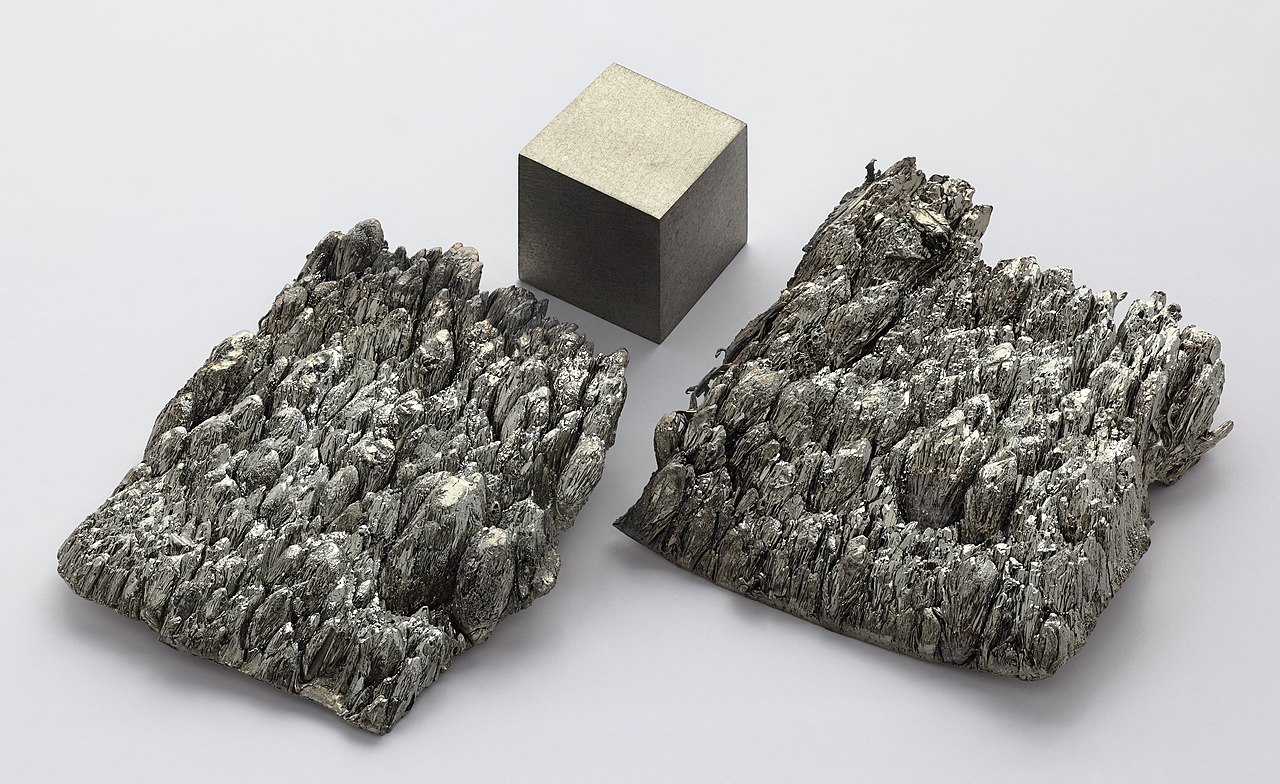


Structure and electron configuration
As atomic number increases across period 4, electrons fill available orbitals in a characteristic order: two electrons enter the 4s orbital, then up to ten occupy 3d orbitals (forming the transition-metal block), and finally up to six fill the 4p orbitals. This filling pattern gives period 4 its distinctive progression from highly metallic elements to more electronegative p-block elements. A few transition metals show exceptions to the simple filling order, reflecting the close energies of 4s and 3d subshells.
Members of period 4
- Alkali and alkaline earth: potassium, calcium
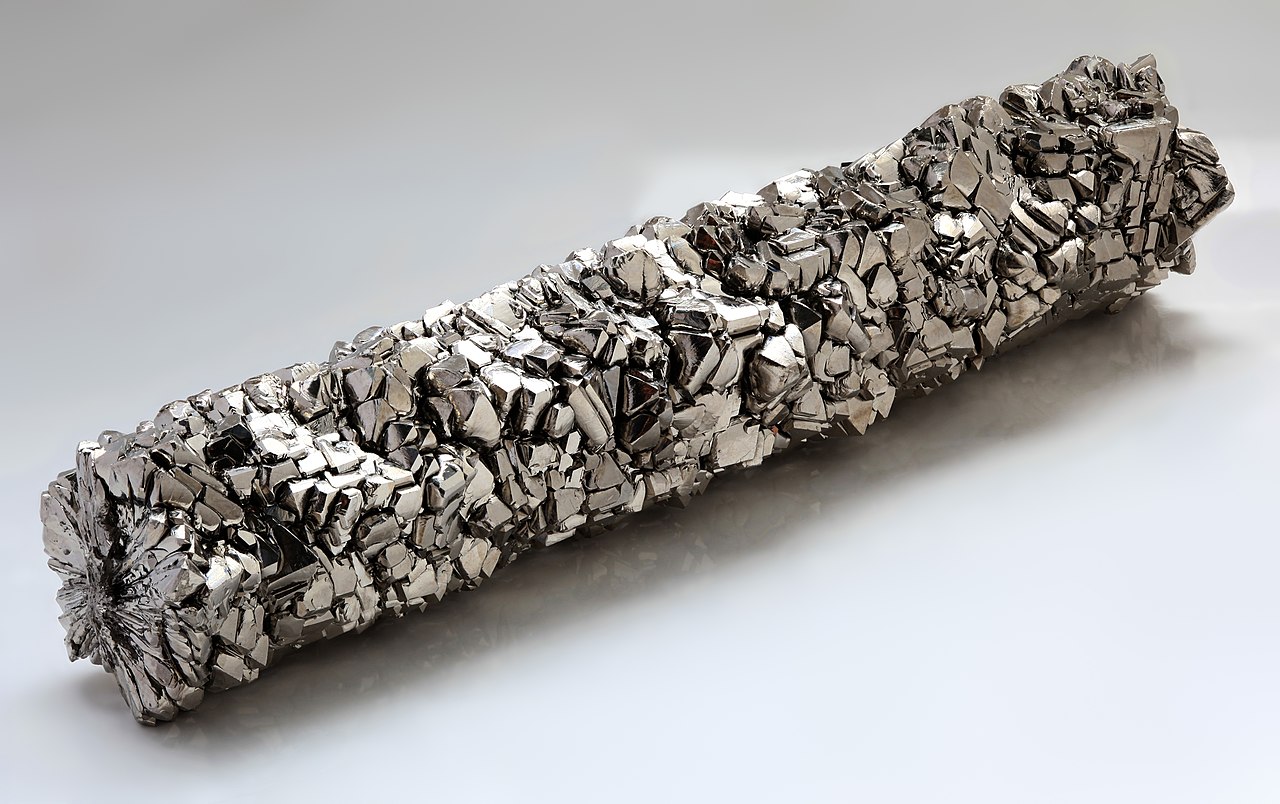
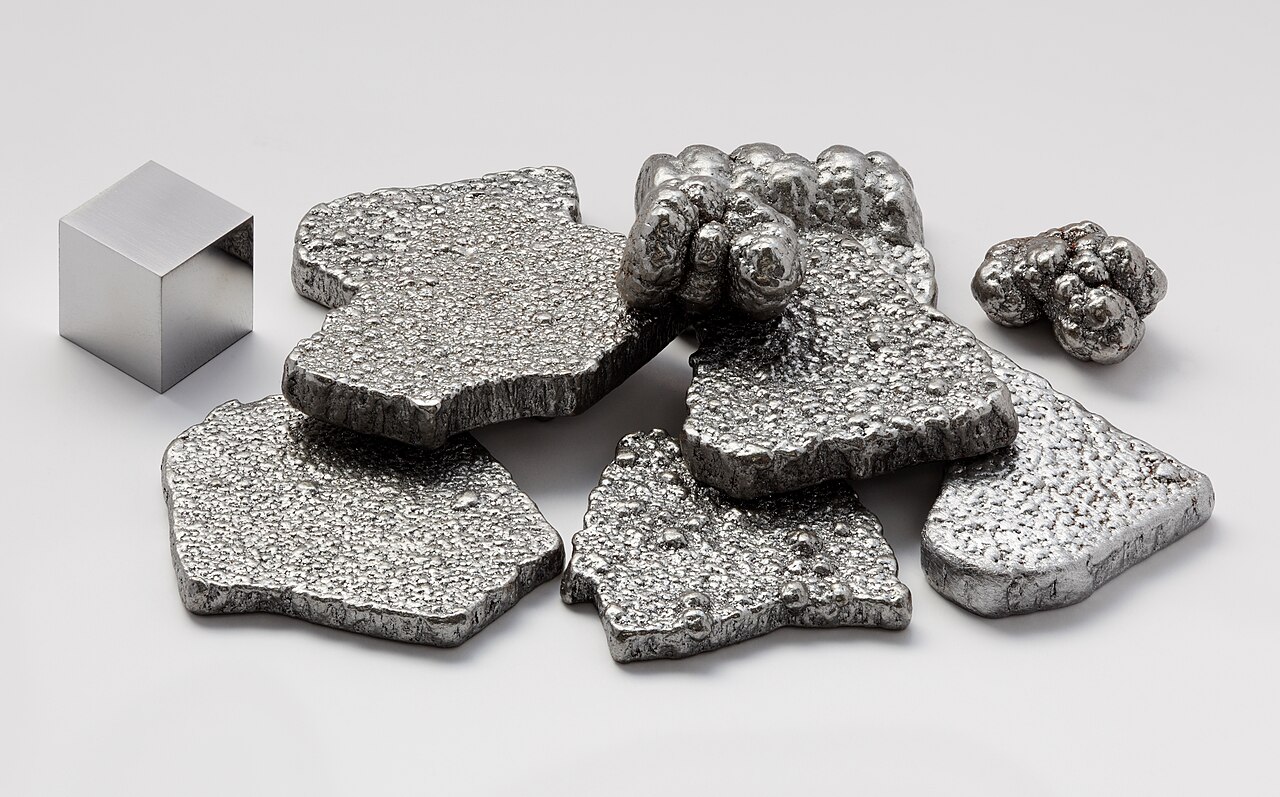
- 3d transition metals: scandium, titanium, vanadium, chromium, manganese, iron, cobalt, nickel, copper, zinc
- p-block elements: gallium, germanium, arsenic, selenium, bromine, krypton
Uses and importance
Period 4 supplies many technologically and economically important materials. Iron, nickel and chromium are central to steel and alloy production; titanium is prized for strength-to-weight properties; copper and zinc are essential for electrical wiring and corrosion protection. Gallium and germanium appear in semiconductor devices and optoelectronics; selenium and bromine have specialized chemical and photographic roles; krypton is used in lighting and some lasers. The variety of chemical behavior across the row—from reactive metals to noble gas—makes period 4 especially significant in materials science and industry.
History and notable facts
The arrangement of period 4 elements emerged as chemists identified more elements and refined the periodic system in the 19th century. The 3d transition series in this row supplied early examples of variable oxidation states and complex ion chemistry, which helped shape theories of bonding and electronic structure. Modern atomic theory explains their patterns by subshell energies and electron correlations; however, some irregular ground-state configurations remain notable teaching examples. For further general context on related topics, see element, fourth period, and additional resources at potassium and krypton. For electron shell concepts consult electron shells and introductory material on the 4s orbital.
Related articles
Author
AlegsaOnline.com Period 4 elements (fourth row of the periodic table) Leandro Alegsa
URL: https://en.alegsaonline.com/art/75817