
Pentagon bus station (Chatham, Kent)
Former central bus interchange located within Chatham's Pentagon Shopping Centre, closed and replaced in 2011 by the Chatham Waterfront bus station during local regeneration.
Overview
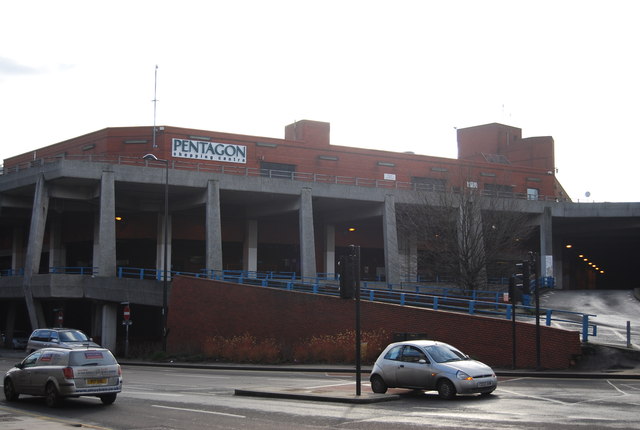
The Pentagon bus station served as the primary local bus interchange in central Chatham, within the county of Kent in South East England. Located as an integral part of the Pentagon Shopping Centre, it acted as a focal point for services across the Medway towns and for longer local routes. Contemporary descriptions often refer to it simply as the main bus station for the town.
Image gallery
3 Images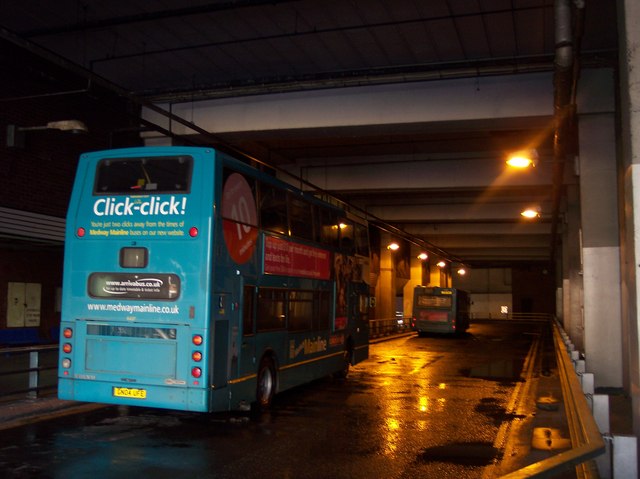

Layout and characteristics
The station was closely linked to the shopping centre footprint, providing covered stands and sheltered waiting areas with direct pedestrian access to retail and the high street. Typical features included benches, timetable information, and designated boarding bays that helped organise multiple routes in a compact urban setting. Integration with the shopping centre meant short walking distances between shops and bus services, a convenience emphasised by regular users.
History and development
The bus station developed as part of Chatham's post‑war town centre growth and the expansion of retail provision. For decades it functioned as the town’s main public transport node. By the early 21st century, changing travel patterns and urban regeneration plans prompted proposals to modernise facilities and relocate the public transport hub to better serve new riverside developments.
Replacement and regeneration
In 2011 the Pentagon bus station was superseded by the newer Chatham Waterfront bus station. The move formed part of a wider regeneration programme aimed at improving passenger facilities, accessibility, and the flow of buses through the town centre. The new site offered updated shelters, passenger information systems and a layout intended to reduce congestion in the retail core.
Uses and importance
During its operational life the bus station was important for everyday commuting, shopping trips and connections to nearby towns. It linked local services with regional routes and provided a hub for bus operators serving the Medway area. Its position within the shopping centre made it convenient for shoppers and contributed to footfall in the town centre.
Legacy and notable facts
- Its replacement reflected wider urban redevelopment priorities, emphasizing modern accessibility standards.
- Although no longer the main interchange, its former role is remembered in local planning histories and transport studies.
- The transition to the waterfront site sought to balance transport needs with new public realm and commercial ambitions.
For historical references and transport details see local archives and council planning records, or consult contemporary descriptions of the Pentagon Shopping Centre and the Chatham Waterfront redevelopment.
Related articles
Author
AlegsaOnline.com Pentagon bus station (Chatham, Kent) Leandro Alegsa
URL: https://en.alegsaonline.com/art/75625
Sources
- pentagonshoppingcentre.co.uk : "The Guide, Summer 2011"