
Peugeot 306: compact family car produced 1993–2002
The Peugeot 306 is a compact family car introduced in 1993. Produced in several body styles and updated through the 1990s, it remained a common European family and sporting model until replaced by the 307 in 2001.
Overview
The Peugeot 306 is a compact family car introduced by Peugeot in early 1993 as the successor to the 309. Positioned in the small family / C-segment, the 306 combined practical packaging with a range of economical engines and several higher‑performance variants aimed at enthusiasts. It remained in production through the late 1990s and was superseded in the Peugeot range by the Peugeot 307 from mid‑2001, although some body styles continued to be produced until 2002.
Image gallery
10 Images




Design and characteristics
Built as a front‑engine, front‑wheel‑drive car, the 306 emphasized compact exterior dimensions and a roomy cabin for its class. Suspension and chassis tuning varied between comfort‑oriented family versions and stiffer, sportier trims. Transmission choices typically included manual gearboxes and optional automatics, and the engine lineup offered a mix of petrol and diesel units to meet diverse fuel‑economy and performance needs.
Body styles and notable versions
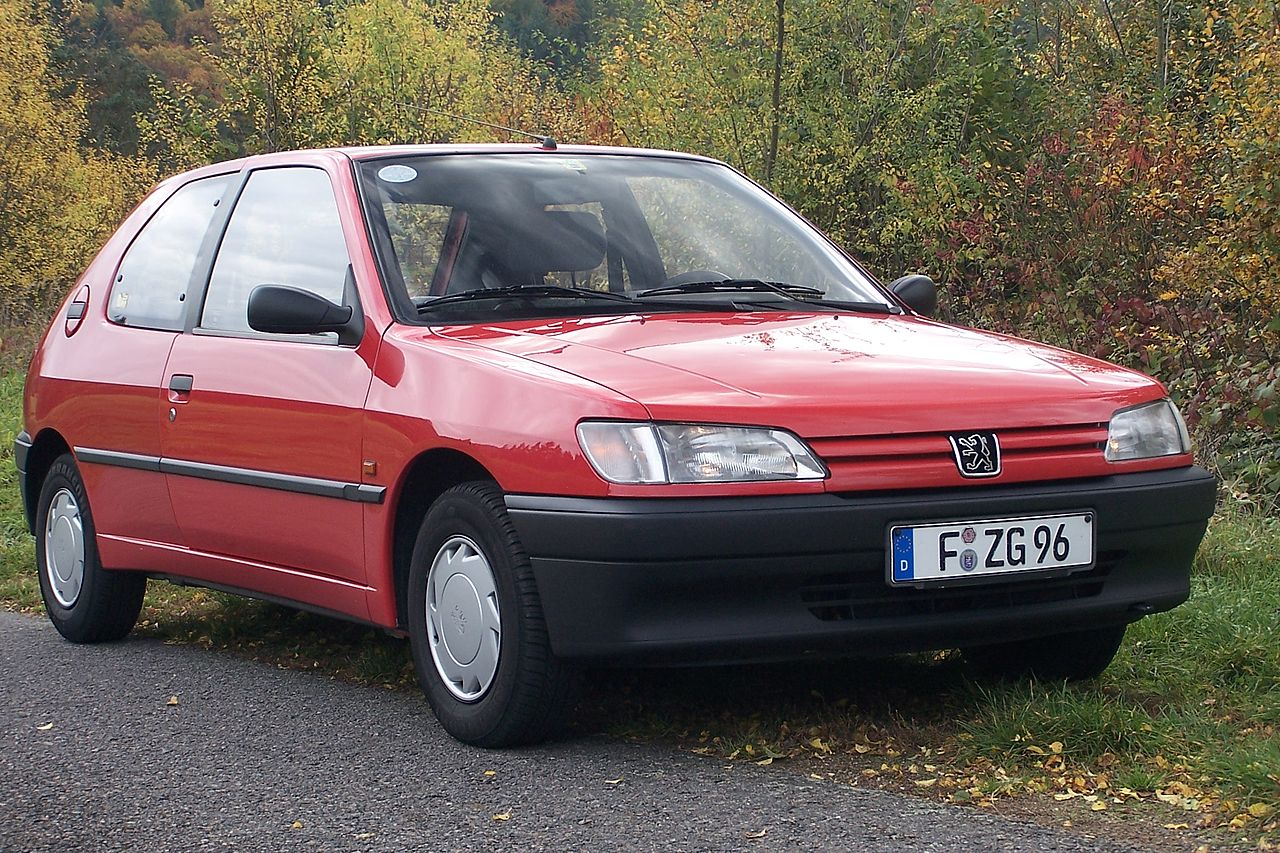
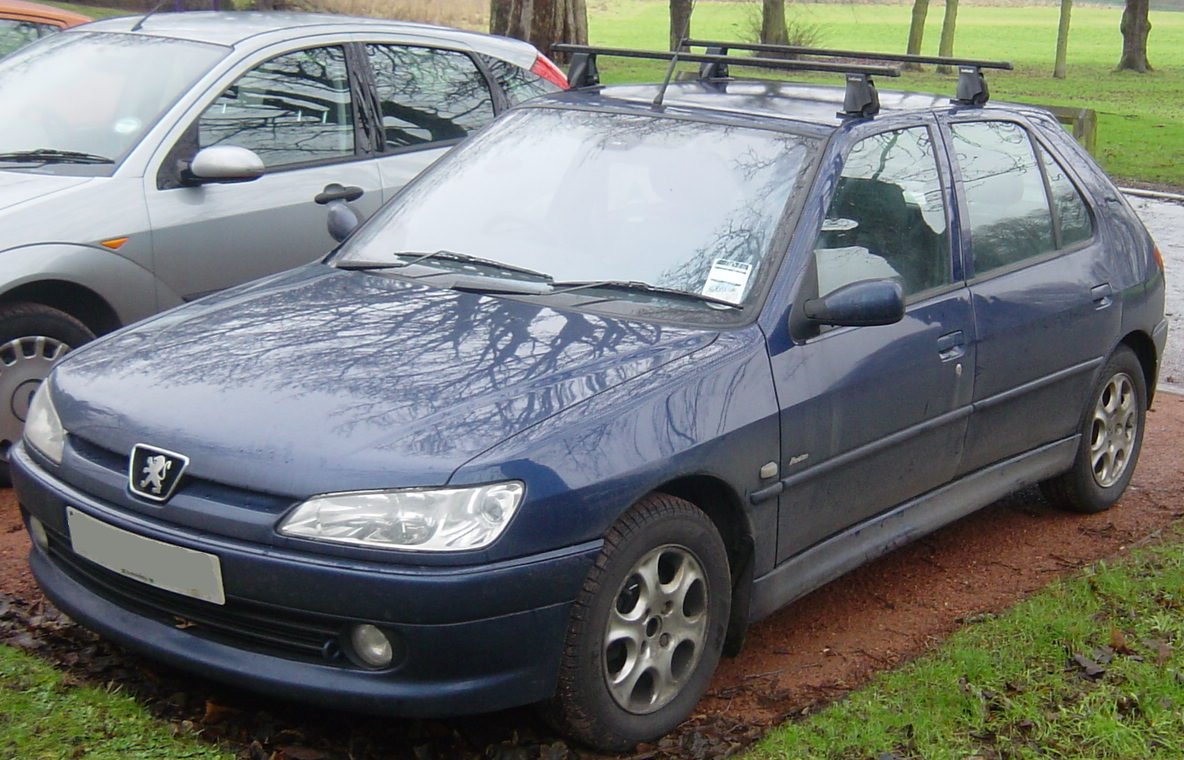
- Hatchback: 3‑door and 5‑door hatch variants formed the core of the early range.
- Saloon (sedan) and cabriolet: added a year after launch to broaden customer appeal.
- Estate (station wagon): introduced with a mid‑life facelift to provide more cargo versatility.
- Sporting editions: higher‑trim and sporting derivatives, including specialist and performance models, addressed drivers seeking sharper handling and more power.
Development and model updates
The 306 received a notable facelift in the late 1990s that refreshed its exterior details and expanded the model range with the estate. Further updates followed toward the end of the decade to improve equipment, safety features and emissions. The gradual transition to the 307 began in 2001, but production of certain 306 conversions and body types carried on briefly while inventories and tooling were wound down.
Uses, reputation and legacy
During its production life the 306 was widely used as a family car, daily commuter and even as a platform for amateur motorsport and enthusiastic driving in its sportier forms. Its combination of accessible running costs, varied body styles and available performance models made it a common sight in European markets. Today the 306 is remembered for its balance of practicality and driver engagement and often appears in the used‑car market where simplicity and economy remain priorities.
Distinctive facts
While not a luxury vehicle, the 306 demonstrated how a mainstream compact car could be diversified into multiple roles—from economical hatchback to convertible and sporting trim—during a single model lifecycle. The model’s phased replacement by the 307 illustrates typical automotive product cycles where different body styles and market demands are managed over several years.
Related articles
Author
AlegsaOnline.com Peugeot 306: compact family car produced 1993–2002 Leandro Alegsa
URL: https://en.alegsaonline.com/art/76254