
Peugeot 206
Compact supermini launched by Peugeot in 1998. Produced in several body styles and global markets; succeeded in Europe by the 207 but continued production and evolved versions remained available elsewhere for years.
The Peugeot 206 is a compact supermini first introduced by the French automaker Peugeot in 1998. Designed as a modern, stylish successor to Peugeot's earlier small models, the 206 combined expressive exterior styling with a range of economical engines and a practical interior for its class. It became one of Peugeot's best-known and most widely sold models, appreciated for its dynamic appearance and broad model range.
Image gallery
10 Images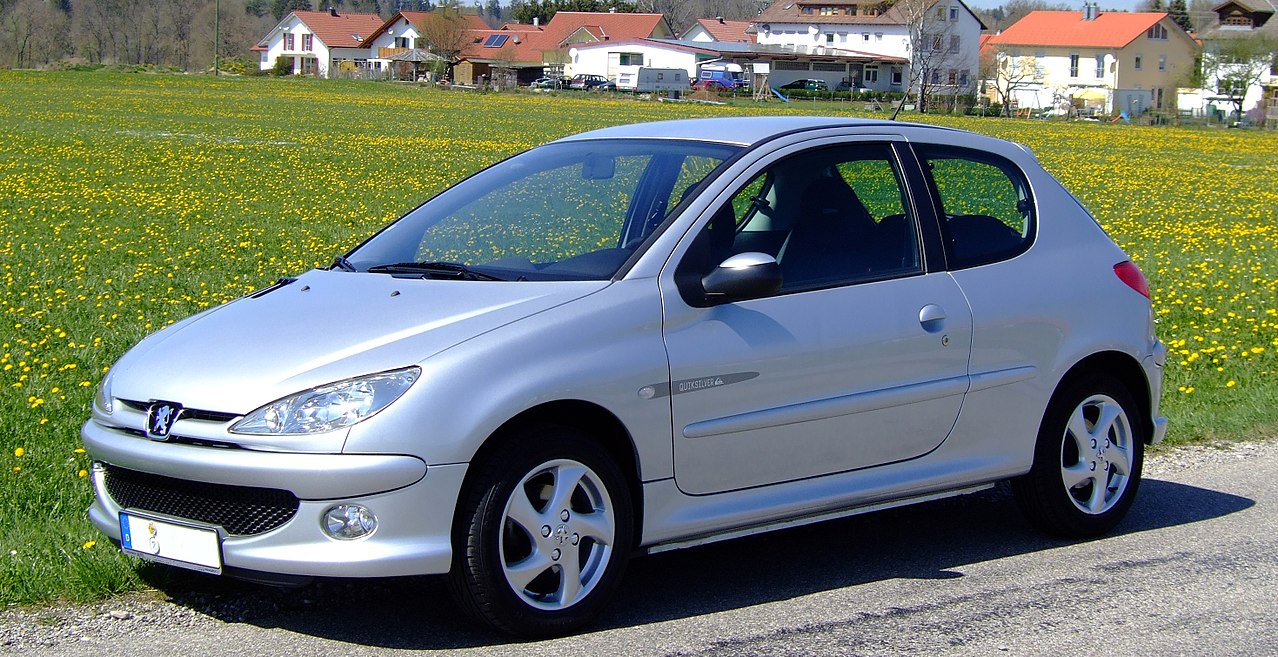



Design and body styles
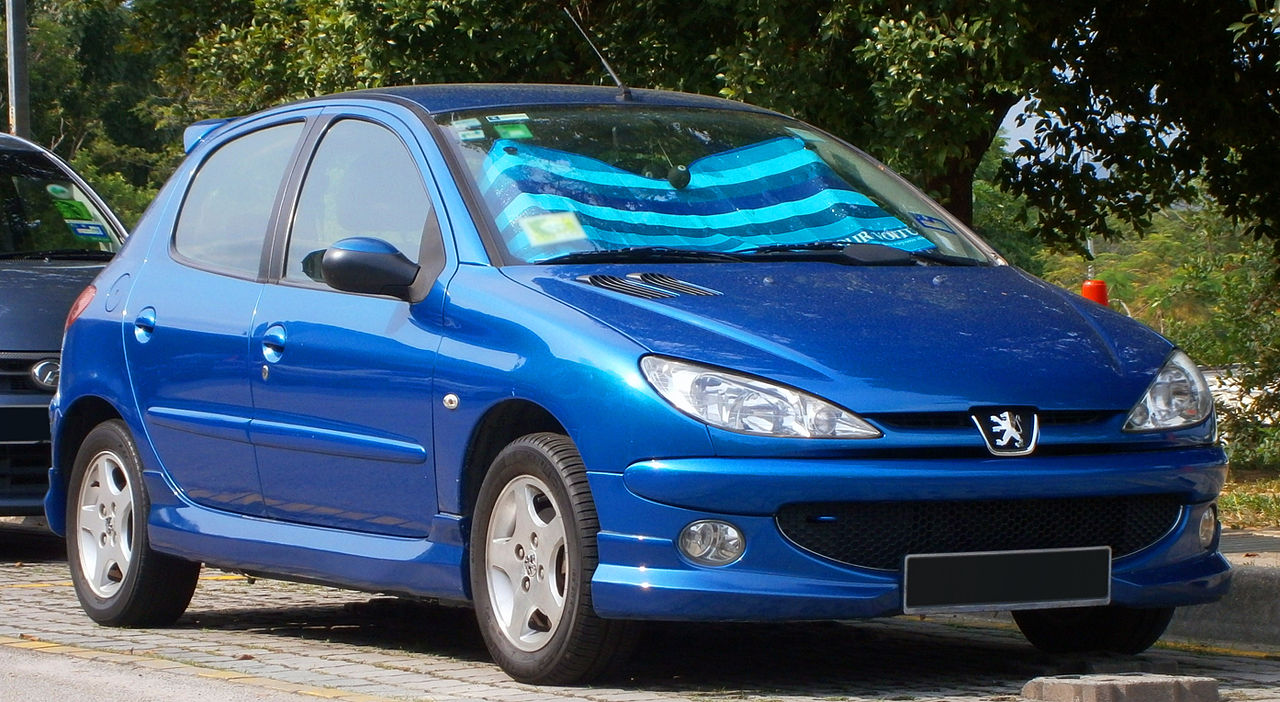
The model line was offered in several body configurations to appeal to different buyers. The core was a three- or five-door hatchback, intended for urban and family use. A folding hard-top coupé-cabriolet variant appeared in 2000, providing a compact convertible option without sacrificing security or winter usability. An estate (station wagon) version followed in 2002, extending load capacity for those needing more cargo space. Over its lifecycle Peugeot also marketed sportier trims and special editions to broaden the car's appeal.
Technical characteristics
The 206 used a front-engine, front-wheel-drive layout typical of its segment. It was available with a range of small-displacement petrol and diesel engines that prioritized fuel efficiency and low running costs. Suspension and steering were tuned to deliver agile handling for city driving and competent road manners on longer journeys. Higher-performance variants featured uprated suspension, brakes and more powerful engines to offer a sportier driving experience.
Production history and markets
The 206 entered production in Europe in 1998 and remained a staple of Peugeot's lineup throughout the early 2000s. In 2006 Peugeot introduced the 207 as its principal successor in many European markets, but the 206 continued to be sold as a budget-oriented option and was manufactured under license or local assembly arrangements in several regions beyond Europe for years after. A refreshed, facelifted iteration marketed under various names appeared in some countries in the late 2000s and extended the model's commercial life.
Variants and special versions
- Three- and five-door hatchbacks — the standard, most common layouts.
- Coupé-cabriolet — folding hard-top convertible combining coupé looks with open-top driving.
- Estate (SW) — practical wagon variant with increased cargo space.
- Sport models — tuned variants with improved performance and styling cues.
The 206 also achieved recognition in rallying through a dedicated competition version, which helped boost the model's public profile. Safety, comfort and equipment levels evolved during production to meet changing regulatory and market expectations. For more details on the manufacturer's current information and archived model material see Peugeot resources.
Overall, the Peugeot 206 combined fashionable styling, a wide choice of bodies and efficient mechanicals to become a defining small car for Peugeot around the turn of the 21st century. Its continued production in some countries and the existence of multiple facelifts and regional variants testify to its commercial adaptability and enduring popularity.
Related articles
Author
AlegsaOnline.com Peugeot 206 Leandro Alegsa
URL: https://en.alegsaonline.com/art/76252