
Peugeot 207 (compact car, 2006–2014)
Compact supermini sold by Peugeot from 2006–2014. Offered as hatchback, estate, coupé‑cabriolet and sporting variants; noted for styling, platform sharing with Citroën and a 2009 facelift.
Overview
The Peugeot 207 is a small family / supermini car introduced by Peugeot in 2006 and produced until around 2014. Positioned below the larger 307/308 models, the 207 replaced the 206 and served as Peugeot's mainstream compact model during the late 2000s. It combined contemporary exterior styling with a range of modestly sized four‑cylinder engines and was offered across several body formats to suit different buyers.
Image gallery
10 Images



Design and engineering
Mechanically the 207 was derived from the PSA (Peugeot–Citroën) small‑car architecture and shares many components with sibling models such as the Citroën C3. The layout is front‑engine, front‑wheel drive, and powertrains include a mix of petrol and diesel four‑cylinder units, available with manual or automatic gearboxes. Buyer choices ranged from economical low‑displacement engines up to more powerful tuned variants for sporting trims; manufacturers and tuners also produced motorsport adaptations based on the 207.
Body styles and variants
Peugeot offered the 207 in a variety of configurations to broaden its market appeal. Common versions included:
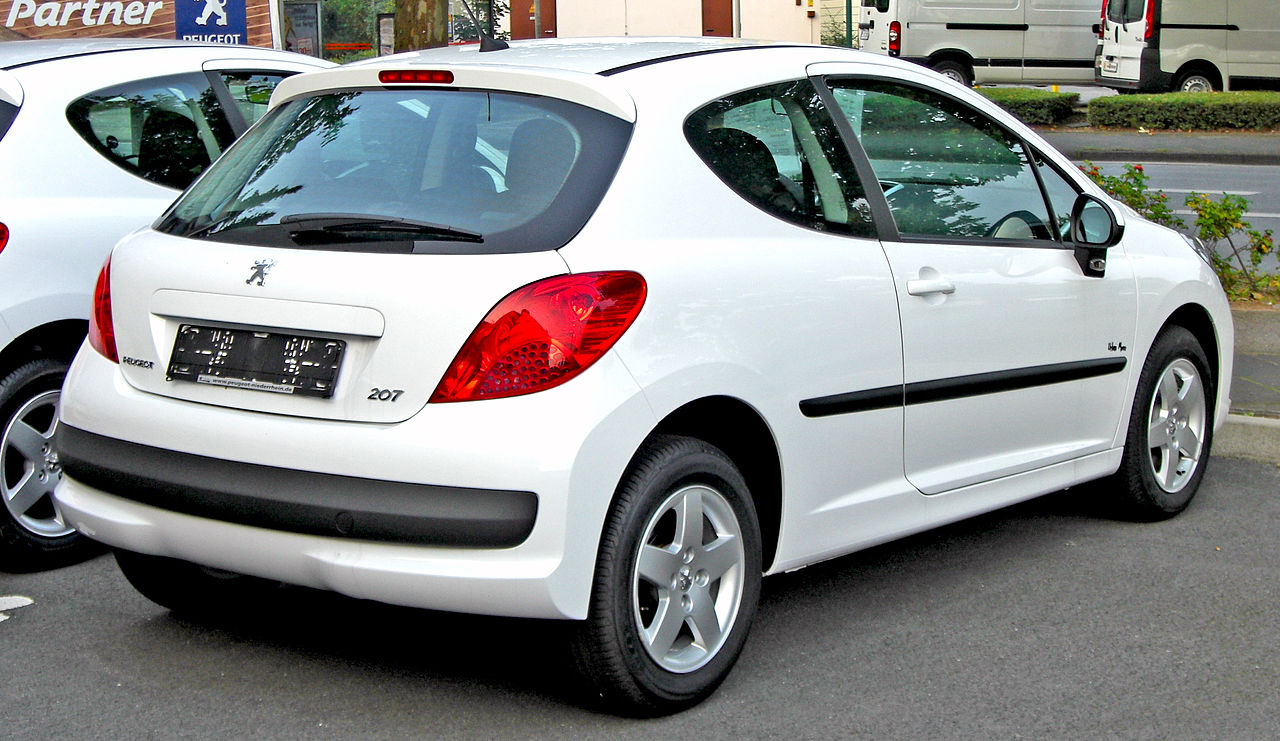
- 3‑door hatchback — a sportier, compact option
- 5‑door hatchback — the mainstream family choice
- SW (estate) — a practical wagon variant introduced after launch
- CC (coupe‑cabriolet) — a folding hard‑top convertible combining coupé looks with an open roof
- Sporting trims (GT/GTI and other mid/high levels) offering firmer suspension and revised styling
These body types were complemented by special and limited editions aimed at regional markets or promotional campaigns.
Development, facelift and succession
The 207 received a mid‑cycle refresh in 2009 that updated bumpers, lights and interior trim to keep the model competitive. In the early 2010s Peugeot moved to a new generation of small cars: the 208 debuted as the 207's successor for the core hatchback range in 2012. The estate role was later taken over by Peugeot's crossover and small SUV strategy with models such as the 2008; the coupé‑cabriolet 207 CC did not have a direct like‑for‑like replacement in the immediate successor line.
Uses, reception and legacy
The 207 was marketed as an everyday family car offering fuel economy, practical packaging and contemporary styling. It attracted buyers looking for compact dimensions for urban driving while still providing versatile seating and cargo options. The model also saw adaptations for motorsport and rallying at club and national levels, demonstrating the platform's flexibility. Over time the 207 helped define Peugeot's small‑car presence before the company shifted emphasis toward crossovers and the newer 208 architecture.
For technical specifications, options and regional variations, see official model pages and owner resources for detailed production and engine information, including a summary of available engine choices.
Related articles
Author
AlegsaOnline.com Peugeot 207 (compact car, 2006–2014) Leandro Alegsa
URL: https://en.alegsaonline.com/art/76253