
Pasargadae: First Capital of the Achaemenid Empire
Pasargadae, founded by Cyrus the Great in the 6th century BCE in Fars, Iran, was the earliest capital of the Achaemenid Empire. The site is notable for its royal tomb, palace remains, and UNESCO designation.
Pasargadae was the ceremonial and administrative center founded by Cyrus II (Cyrus the Great) in the mid-6th century BCE in what is now Fars province, Iran. The remains lie on a plain of gentle hills and include palace platforms, gardens, fortifications and the well-known tomb attributed to Cyrus. The site provides key evidence about early Achaemenid royal architecture and imperial ideology and is accessible through research and protected as a cultural heritage site. Fars province remains the modern setting where these ruins can be visited and studied.
Image gallery
10 Images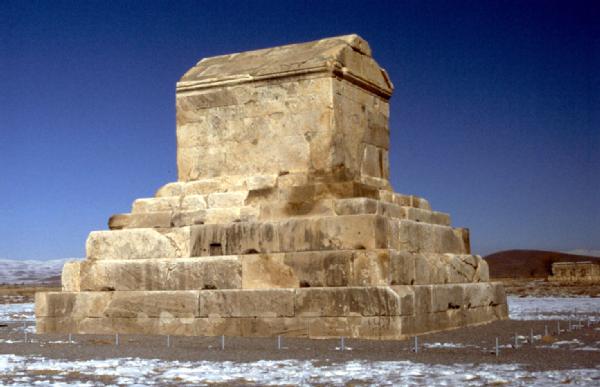



Layout and principal features
Pasargadae is characterized by a deliberate arrangement of royal and ceremonial elements rather than a single dense urban core. Archaeological work has identified a series of palace buildings set on stone platforms, audience halls, defensive walls and formal gardens that reflect an early Persian adaptation of Mesopotamian, Elamite and Central Asian influences. The most famous monument is the simple, tower-like tomb commonly associated with Cyrus the Great, which preserves an inscribed dedication in later sources and has become a symbol of the dynasty.
History and development
Construction began after Cyrus’s conquest of nearby territories and his consolidation of power, traditionally dated to the mid-6th century BCE. Building activity continued until Cyrus’s death, and Pasargadae remained a royal seat until later rulers such as Darius I favored new complexes including the larger ceremonial capital at Persepolis. Although never as sprawling as later Achaemenid centers, Pasargadae’s plan influenced subsequent palace architecture in the empire.
Archaeology, preservation and significance
Excavations and surveys have gradually revealed the site’s masonry, column bases and decorative stonework; conservation efforts focus on protecting fragile masonry and interpreting the layout for visitors. Pasargadae has been recognized internationally for its cultural value and is protected as a World Heritage site by UNESCO; information and documentation about its inscription are available through official channels and summaries at World Heritage resources. Scholars study Pasargadae to understand Achaemenid rulership, funerary practices and early imperial planning.
- Notable fact: The tomb of Cyrus remains one of the clearest surviving monuments from the empire’s founding era.
- Distinction: Pasargadae represents the first known capital deliberately established by an Achaemenid ruler.
Related articles
Author
AlegsaOnline.com Pasargadae: First Capital of the Achaemenid Empire Leandro Alegsa
URL: https://en.alegsaonline.com/art/74886