
Pasay: City in Metro Manila, Philippines
Pasay is a coastal city in Metro Manila, Philippines, known for transport hubs, cultural venues, entertainment districts and commercial development along Roxas Boulevard and Bay City.
Pasay, officially the City of Pasay, is a coastal urban city within the National Capital Region of the Metro Manila area in the Philippines. In Filipino it is known as Lungsód ng Pasay. The city combines residential neighborhoods, commercial centers and national cultural institutions, and lies immediately south of the City of Manila along Manila Bay.
Image gallery
10 Images


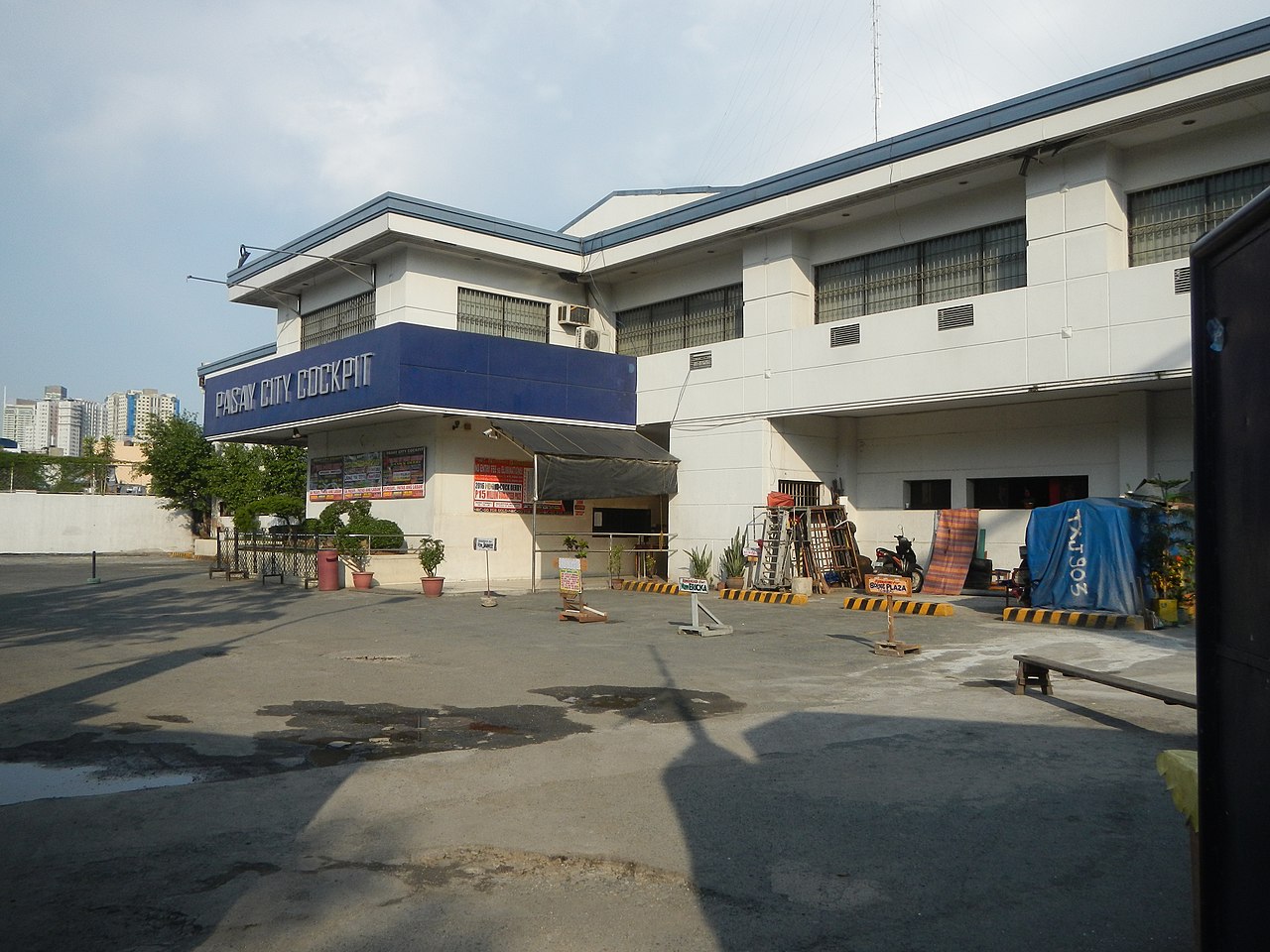
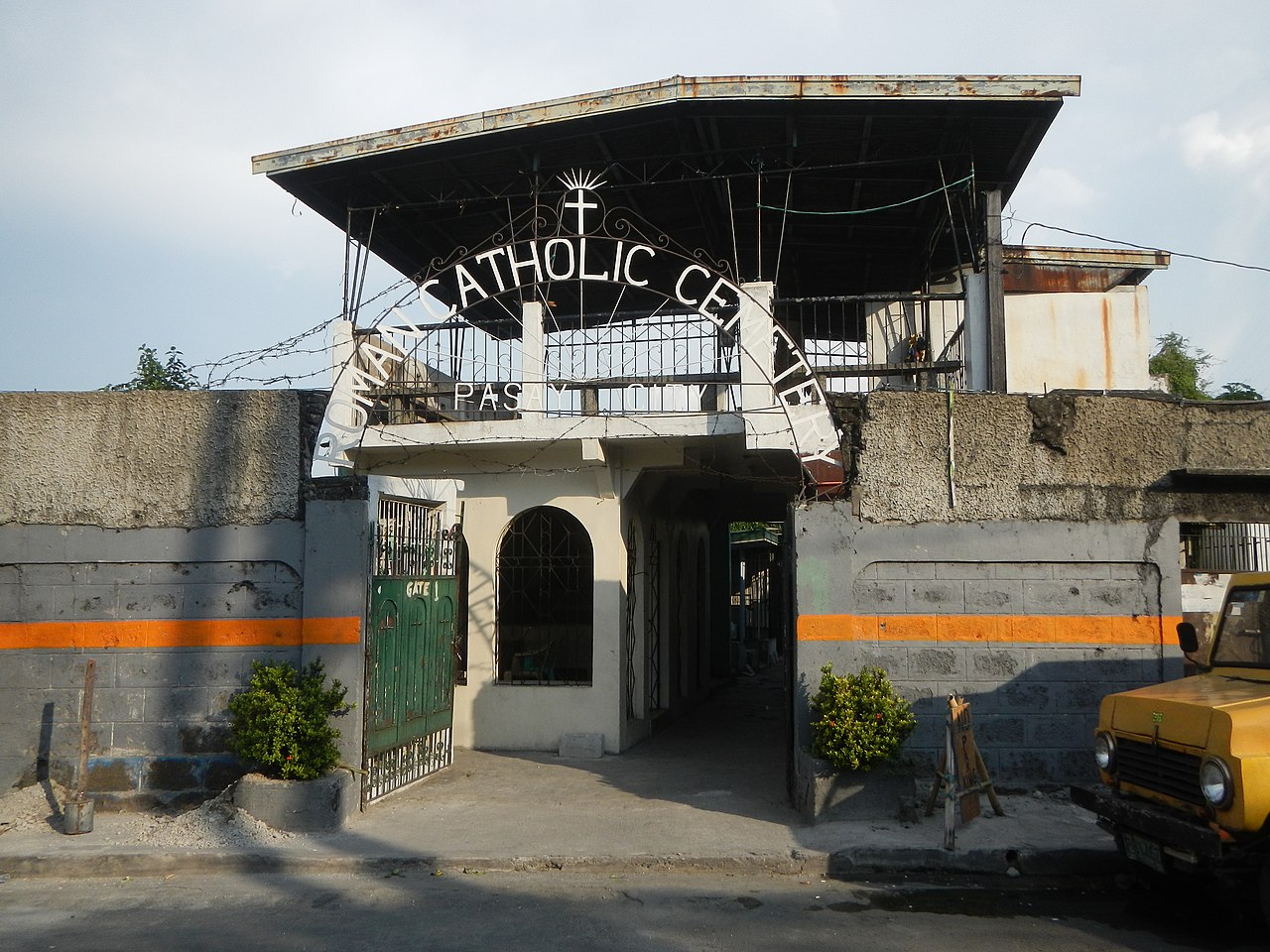


Geography and administrative divisions
Pasay occupies a relatively compact area along the bay and inland. It includes older barangays and newer reclaimed districts commonly called Bay City, where large-scale development has taken place. The city's shoreline along Roxas Boulevard provides both public promenades and sites for cultural facilities, while inland corridors like Taft Avenue and EDSA carry heavy commercial and commuter traffic.
History and development
Pasay's origins reach back to the Spanish colonial period when coastal settlements clustered around Manila Bay. Over the 20th century it evolved from a municipality into a chartered city and later became integrated into the expanding metropolitan region. Much of its modern identity grew after World War II, with large infrastructure and cultural projects built along the bay and near main transport arteries.
Landmarks and economy
The city hosts a number of nationally significant venues and commercial complexes. Notable locations include major cultural institutions and convention facilities along the bay, large shopping centers and entertainment complexes in the reclaimed areas, and busy market districts. A concise list of prominent places and economic drivers:
- Cultural and convention centers and theaters located near Roxas Boulevard.
- Large retail and entertainment complexes in the Bay City redevelopment.
- Religious and marketplace areas known for retail and pilgrimage activities.
- Adjacent international airport facilities and associated hospitality services.
Transport and connectivity
Pasay is an important transport node. It sits beside major road arteries and rail lines that serve commuters across Metro Manila, and is closely linked to the region's principal international airport terminals. Local and regional bus services, commuter rail connections and arterial roads make the city a transit focal point for travelers and workers moving through the metropolis.
Culture and civic role
Beyond commerce and transport, Pasay plays a civic and cultural role in the capital region. The city hosts national events, performing arts activities and large conventions, contributing to Metro Manila's cultural infrastructure. Its mix of residential neighborhoods, commercial districts and entertainment zones reflects the broader diversity and economic dynamism of the greater Manila area.
For further administrative and demographic details, consult municipal sources and regional planning documents that describe Pasay's barangays, governance structure and development plans.
Related articles
Author
AlegsaOnline.com Pasay: City in Metro Manila, Philippines Leandro Alegsa
URL: https://en.alegsaonline.com/art/74887