
Parsa District, Nepal — geography, history, economy and culture
Parsa District in Nepal's Terai plain, with Birgunj as its headquarters, is a major border and trade district. Overview of geography, history, administration, economy, transport and cultural profile.
Parsa District (Nepali: पर्सा जिल्ला) lies in the lowland Terai plain of southern Nepal. It is one of the seventy-seven districts of the country and forms part of Province No. 2 (also known as Madhesh Province). The district headquarters and largest urban centre is Birgunj. The district covers an area of about 1,353 km2 and was recorded to have a population of roughly 497,000 in 2001; subsequent censuses indicate further growth.

Image gallery
4 Images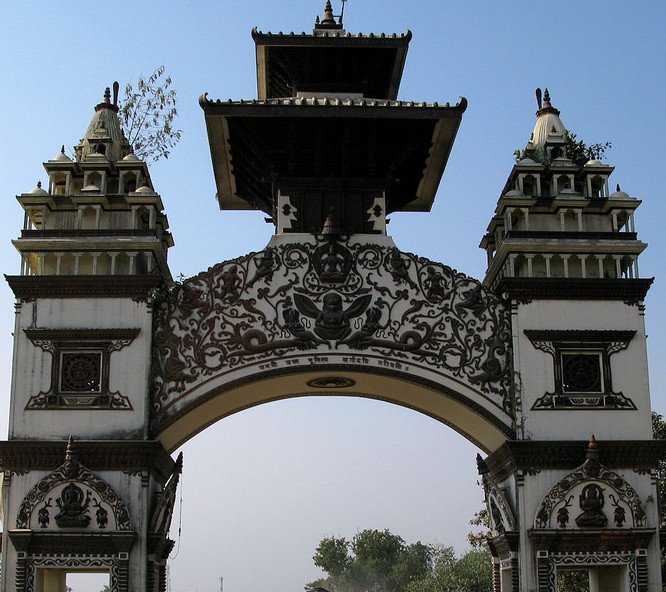


Geography and environment
Parsa occupies flat, fertile land typical of the Terai belt and shares a long international boundary with the Indian state of Bihar. The climate is subtropical with hot summers, a monsoon season, and mild winters. Agricultural land dominates much of the district, interspersed with urban and industrial zones around Birgunj. Proximity to the border shapes land use, transport links and cross-border movement.
History and name
Local tradition attributes the district’s name to the Parsagadhi temple, an important religious site in the area. Historically the region developed as a trade and transit corridor between the Indian plains and central Nepal. Over time Birgunj emerged as the principal gateway for goods, people and cultural exchange.
Administratively, Parsa is part of the Terai plain region and one of Nepal’s seventy-seven districts. It falls within the national boundaries of Nepal. Since Nepal’s federal restructuring, the district has been reorganized into municipalities and rural municipalities, with local governments responsible for development and services.
Economically, Parsa is notable for cross-border trade, industries clustered in and around Birgunj, and agriculture. Key crops include rice, wheat and sugarcane. Transport infrastructure—road links to Kathmandu and India, customs facilities and freight handling—supports commerce and employment. The district hosts customs and logistics services that serve as a national gateway.
Parsa’s population is multiethnic and multilingual, with Nepali, Bhojpuri and Maithili among commonly spoken languages and Hinduism as the predominant religion alongside Muslim and other communities. Cultural life reflects Terai traditions, seasonal festivals and markets tied to both local farmers and cross-border traders. For practical information on visiting or administration consult official local sources and provincial guides.
- Main urban centre: Birgunj
- Region: Terai
- Country: Nepal
- Context: one of the seventy-seven districts
- Naming: associated with Parsagadhi temple (Nepali name)
Related articles
Author
AlegsaOnline.com Parsa District, Nepal — geography, history, economy and culture Leandro Alegsa
URL: https://en.alegsaonline.com/art/74807
Sources
- curis.ku.dk : The Map of Potential Vegetation of Nepal - a forestry/agroecological/biodiversity classification system
- cbs.gov.np : 2011 Nepal Census, Social Characteristics Tables
- statoids.com : "Districts of Nepal"
- commons.wikimedia.org : Parsa District
- tools.wmflabs.org : 27°0′N 84°52′E / 27.000°N 84.867°E / 27.000; 84.867