
Birganj: Gateway and Commercial Hub of Southern Nepal
Birganj is a major border city in southern Nepal, serving as a primary trade gateway with India and an important center for industry, transport, and cross-border commerce in Parsa District.
Overview
Birganj (also written Birgunj) is a prominent border city in southern Nepal known for its role in cross-border trade and transportation. Located adjacent to the Indian town of Raxaul, Birganj functions as a principal entry point for goods and people coming from the Indian states to Nepal's interior. Because of its central role in commerce and logistics, it is often referred to as the "Gateway to Nepal" and as a key commercial center for the country.
Image gallery
10 Images


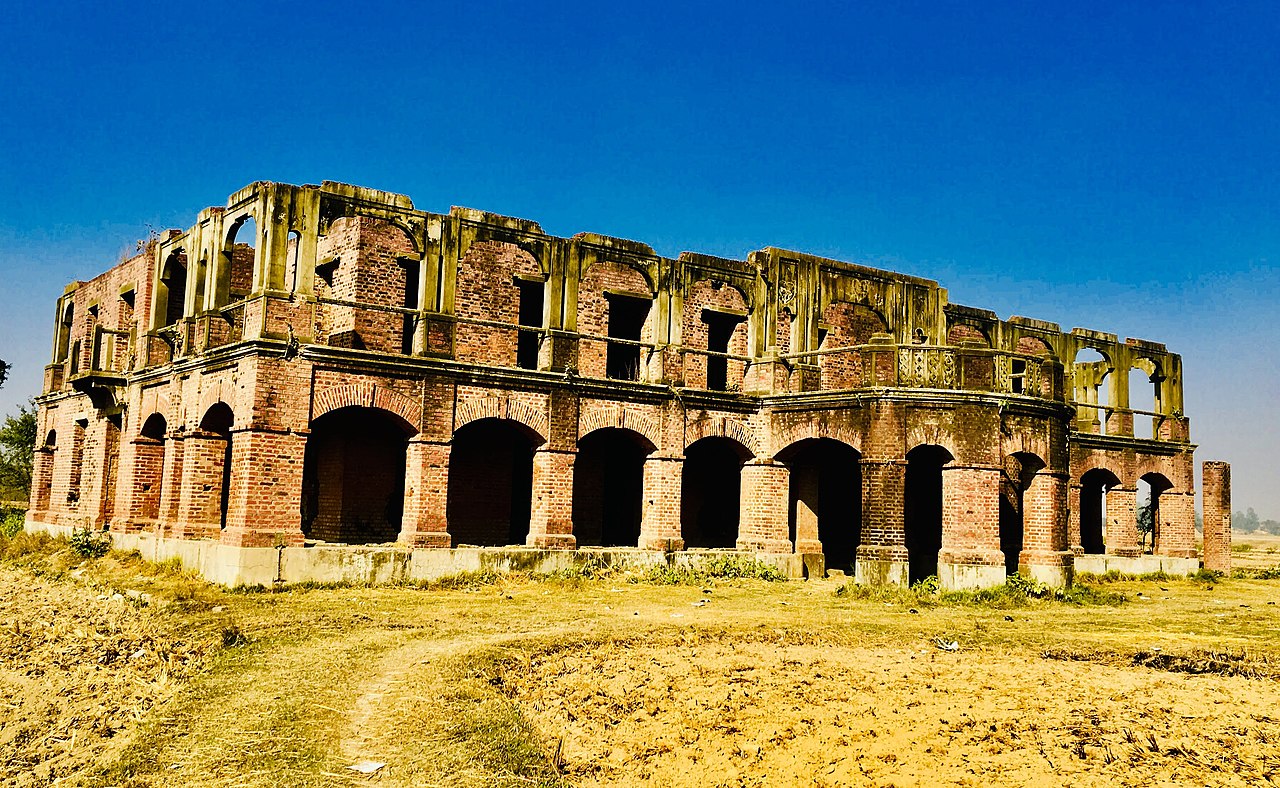

Location and administration
Birganj lies within Parsa District and historically formed part of the Narayani Zone, an older administrative division. In contemporary administrative practice the city is identified with the broader provincial structure of southern Nepal; it occupies a strategic position near the international border in southern Nepal. Its proximity to Indian transport networks makes it a natural hub for transnational movement.
Characteristics and infrastructure
The city's infrastructure supports customs processing, warehousing and freight handling. Birganj hosts facilities for import and export clearance and an inland dry port that facilitates overland trade. Road links, frequent freight traffic and a rail connection across the border contribute to its logistical importance. Industrial and processing units, warehouses and service providers cluster around these transport corridors, creating a concentration of commercial activity.
Economic role and uses
Birganj's economy is driven by trade, transport services, and light manufacturing. Merchants and clearing agents handle goods ranging from consumer items to industrial inputs. For many traders and transporters coming from Indian cities, Birganj is the primary transshipment point before consignments travel onward into Nepal. The city also supports retail markets and businesses that cater to cross-border travelers.
History and development
Over decades, Birganj developed around the border crossing and the flow of goods. Its growth reflects changing trade patterns, infrastructure investments and regional connectivity. While the formal administrative map of Nepal has been revised in recent years, Birganj's commercial function has persisted and adapted to modern customs systems and transport improvements.
Notable features and distinctions
- Border gateway: The Raxaul–Birgunj crossing is one of the busiest land border points between Nepal and India.
- Commercial concentration: Clearing, warehousing and freight services are a dominant part of the local economy.
- Multicultural urban life: Languages, cuisines and business practices reflect a mix of Nepali and adjoining Indian influences.
For travelers, traders and planners, Birganj exemplifies a city shaped by its position at an international frontier: a place where transport, customs and commerce intersect to serve both national and cross-border needs.
Tags
Related articles
Author
AlegsaOnline.com Birganj: Gateway and Commercial Hub of Southern Nepal Leandro Alegsa
URL: https://en.alegsaonline.com/art/11721