
Parwan Province — geography, history, people and economy
Parwan is a central-northern province of Afghanistan with Charikar as its capital. This article summarizes its geography, population, history, economy, infrastructure and notable features.
Overview
Parwan (Persian and Dari: پروان; also spelled Parvān) is a province in central-northern Afghanistan. Its administrative centre is the city of Charikar. The province sits north of the Kabul basin and serves as a transition zone between the highlands of the Hindu Kush and the lower agricultural plains. Contemporary population estimates are commonly given in the hundreds of thousands; older figures cite about 560,000 residents.
Image gallery
10 Images


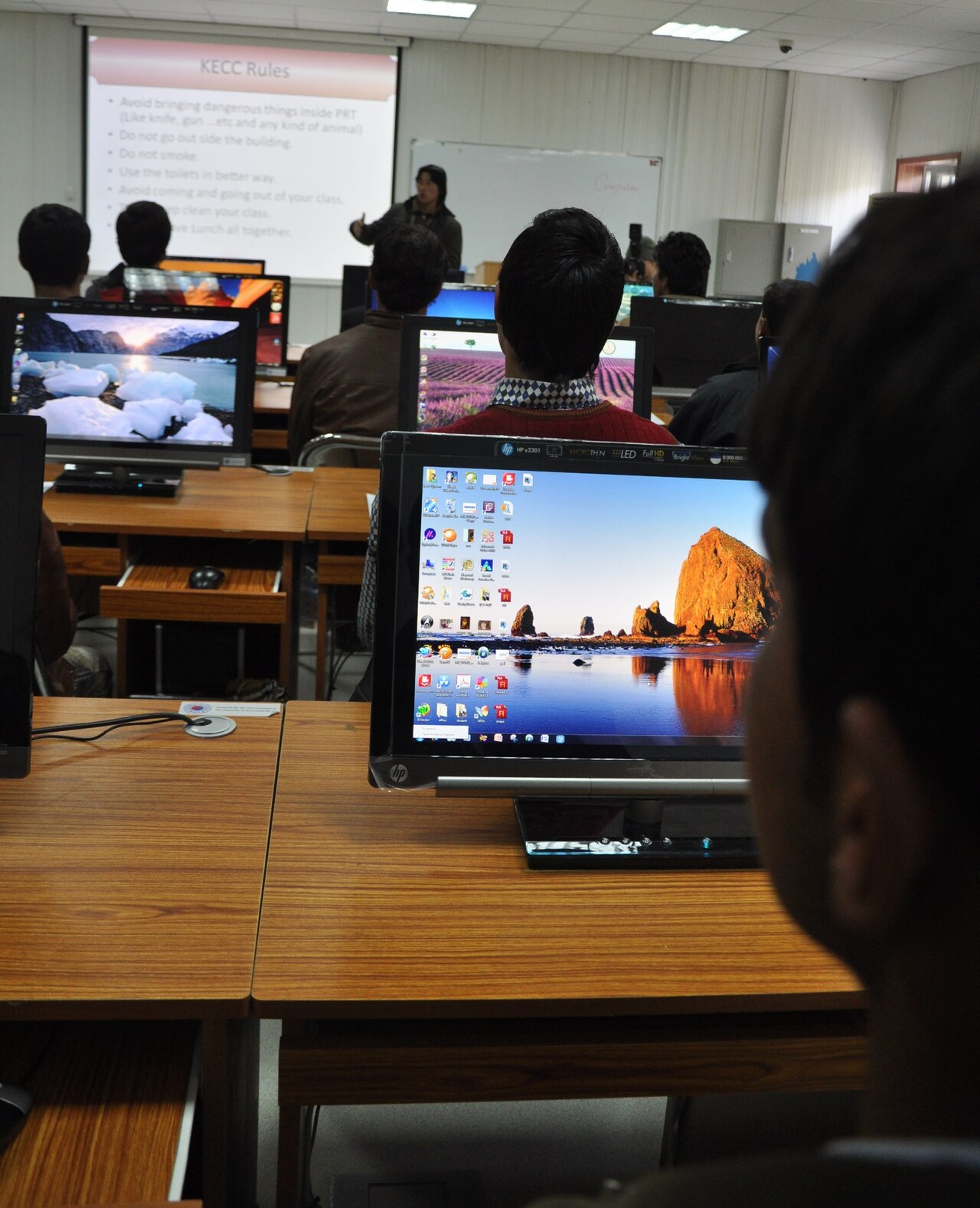


Geography and environment
Parwan's terrain includes river valleys, irrigated plains and foothills that rise toward the Hindu Kush. The province has a continental mountain climate with cold winters and warm summers; irrigation from rivers and springs supports orchards and cereal cultivation. Major settlements are clustered on roads that connect Kabul to northern Afghanistan, and the province is traversed by routes of strategic and economic importance.
People and society
Parwan is home to a mix of ethnic groups and languages. Dari (Persian) and Pashto are widely spoken alongside local dialects. The province's society is largely rural, with many communities engaged in farming, animal husbandry and small-scale trade. Social life is organized around local towns, markets and extended family networks.
History
The region has a long human presence and has been part of successive historical realms. Classical sources associate the area with settlements formed during the campaigns of Alexander the Great in 329 BC. In the early medieval period the area came under Islamic influence following conquests by Arab forces around the late 8th century. Over centuries Parwan has been shaped by regional dynasties, trade and migration that link it culturally to both the Kabul center and the northern highlands.
Economy and infrastructure
agriculture remains the economic backbone, with orchards, vegetables and grains cultivated where irrigation permits. Charikar functions as a local commercial hub. In modern times the province also became notable for hosting major transport and military facilities, including a large airfield and logistic installations that drew international attention. Roads through Parwan help connect Kabul with the north, contributing to trade and movement.
Administration and notable facts
- The provincial capital is Charikar, the main administrative and market centre.
- Local languages include Persian/Pashto dialects and others.
- Parwan is one of Afghanistan's thirty-four provinces (Afghanistan).
- The area has historical links to campaigns of Alexander the Great and early Islamic expansion.
Understanding Parwan requires attention to its strategic location, its agricultural base, and its long history as a crossroads between highland and lowland regions. Current conditions continue to evolve with changes in governance, security and development priorities.
Related articles
Author
AlegsaOnline.com Parwan Province — geography, history, people and economy Leandro Alegsa
URL: https://en.alegsaonline.com/art/74875
Sources
- nps.edu : "Parwan Province"
- mrrd-nabdp.org : "Parwan Province: B. Demography and Population"
- fao.org : Afghanistan Geographic & Thematic Layers