
Parker, Colorado: Suburban Town in Douglas County Near Denver
Parker, Colorado, a suburban town in Douglas County near Denver, evolved from rural roots into a growing residential community with schools, parks, local services and commuter access to Denver.
The town of Parker is located within Douglas County in the U.S. state of Colorado. It is a suburban municipality on the eastern side of the Denver metropolitan region and has grown from a small rural settlement into a sizeable residential community over the past several decades.
Image gallery
5 Images
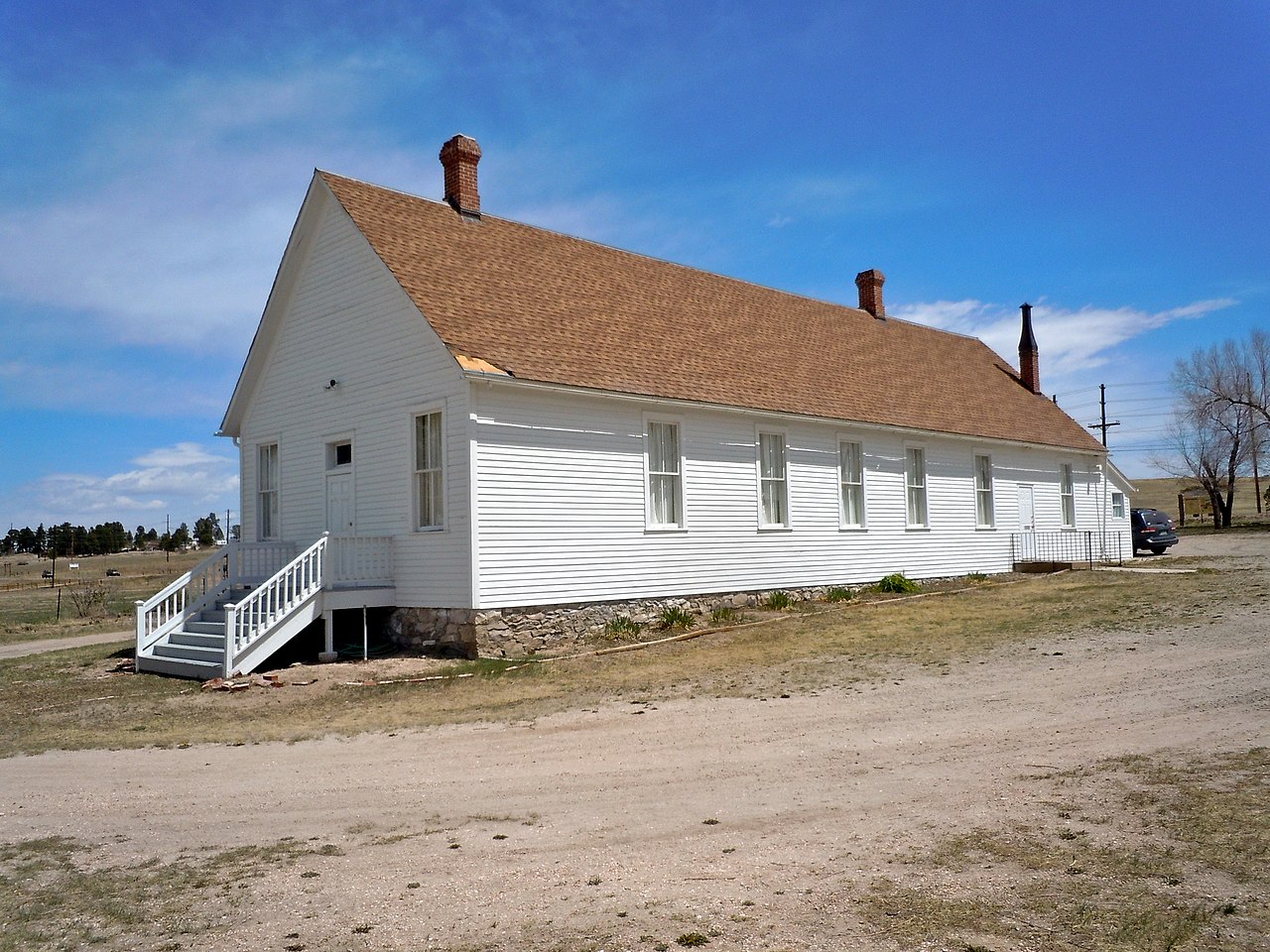

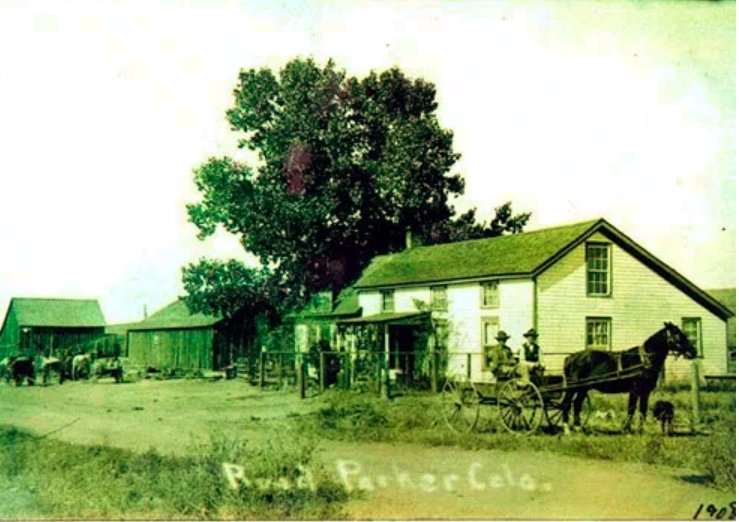

History
The area that became Parker was settled in the 19th century. Over time the community shifted from agricultural roots to a commuter-oriented town as the Denver region expanded. Parker incorporated as a municipal government and has since developed a mix of housing, commercial centers, and public services to serve its residents.
Geography and setting
Parker lies in the high plains just east of the Front Range of the Rocky Mountains. The town’s landscape is characterized by gently rolling terrain and suburban development with pockets of open space and parks. Its location gives residents relatively direct access to the larger urban and employment centers of the Denver area.
Government and administration
Parker is governed by an elected council and mayor under the town’s charter. Local government responsibilities include land-use planning, public safety, parks and recreation, and public works. The town coordinates with Douglas County and regional agencies on transportation and other services that cross municipal boundaries.
Population and community
Since the late 20th century Parker has experienced substantial population growth, driven largely by migration from the Denver metro area and new housing development. The town has a mix of families, professionals, and retirees and maintains schools, parks, and community facilities intended to serve a diverse resident population.
Education
Public education in Parker is provided by the local school district serving Douglas County, which operates elementary, middle, and high schools in and near the town. In addition to public schools, there are private and charter options in the region.
Transportation
Parker’s road network connects it to the wider Denver area. Commuters typically use regional highways and arterial roads to reach employment centers. Local public transit and regional bus services provide additional options for travel into the Denver metropolitan area.
Economy, recreation, and culture
The town’s economy is largely service- and retail-oriented, supported by local businesses and the spending power of commuters who work throughout the Denver region. Parker offers parks, trails, and community programs; it also hosts seasonal events and festivals that reflect local traditions and encourage civic participation.
Points to consider
- Parker continues to adapt its planning and infrastructure to manage growth while preserving open space.
- The town works with county and regional partners on transportation, water resources, and emergency services.
- Prospective residents and businesses often evaluate Parker for its suburban character and access to the Denver metropolitan area.
Related articles
Author
AlegsaOnline.com Parker, Colorado: Suburban Town in Douglas County Near Denver Leandro Alegsa
URL: https://en.alegsaonline.com/art/74710
Sources
- dola.state.co.us : "Active Colorado Municipalities"
- colorado.gov : "Colorado Municipal Incorporations"
- geonames.usgs.gov : "US Board on Geographic Names"
- factfinder2.census.gov : "2010 Census Redistricting Data (Public Law 94-171) Summary File"
- zip4.usps.com : "ZIP Code Lookup"