
Parícutin — 20th-century cinder cone volcano in Michoacán, Mexico
Parícutin is a cinder cone in Michoacán, Mexico, that erupted from 1943 to 1952; notable because its birth and full eruptive cycle were observed and studied.
Overview
Parícutin is a volcanic cinder cone that emerged suddenly in 1943 in rural Mexico. It lies in the state of Michoacán and quickly became an important case study in volcanology because its entire life—from initial fountains of lava and ash to decline—was witnessed and documented. The feature is widely cited in studies of volcano formation and is one of the most famous young cones in the western hemisphere.
Image gallery
8 Images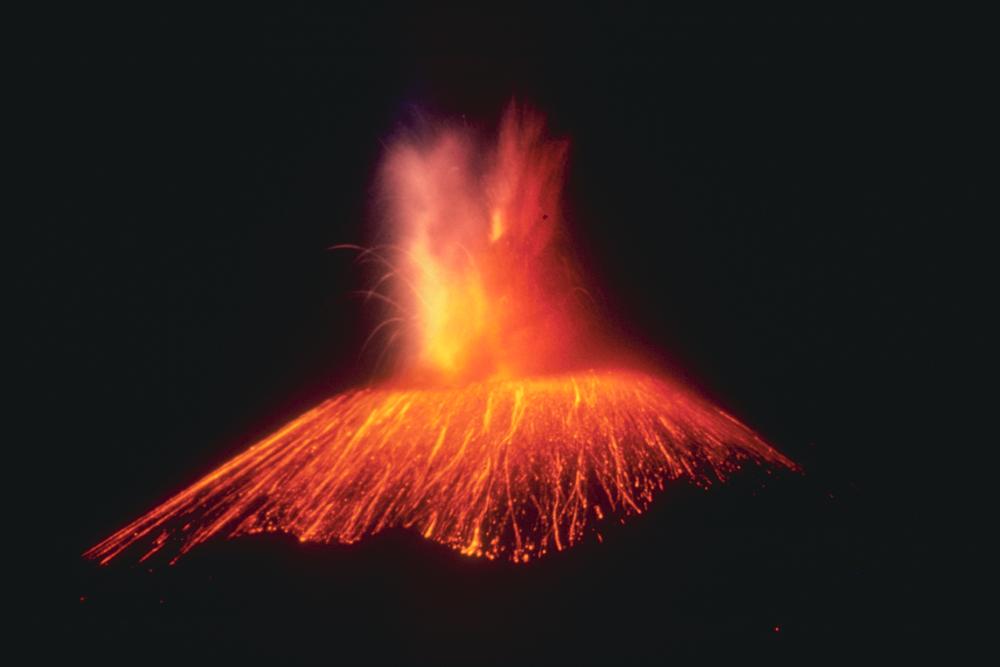


Formation and eruption
The cone began as a fissure in farmland and produced continuous eruptive activity for several years. Explosive bursts threw scoria and ash skyward, while lava flows extended across adjacent terrain. The eruption buried fields and parts of nearby settlements; the top of a church tower from San Juan Parangaricutiro still protrudes from the hardened flows and ash, a visible reminder of the event.
Physical characteristics
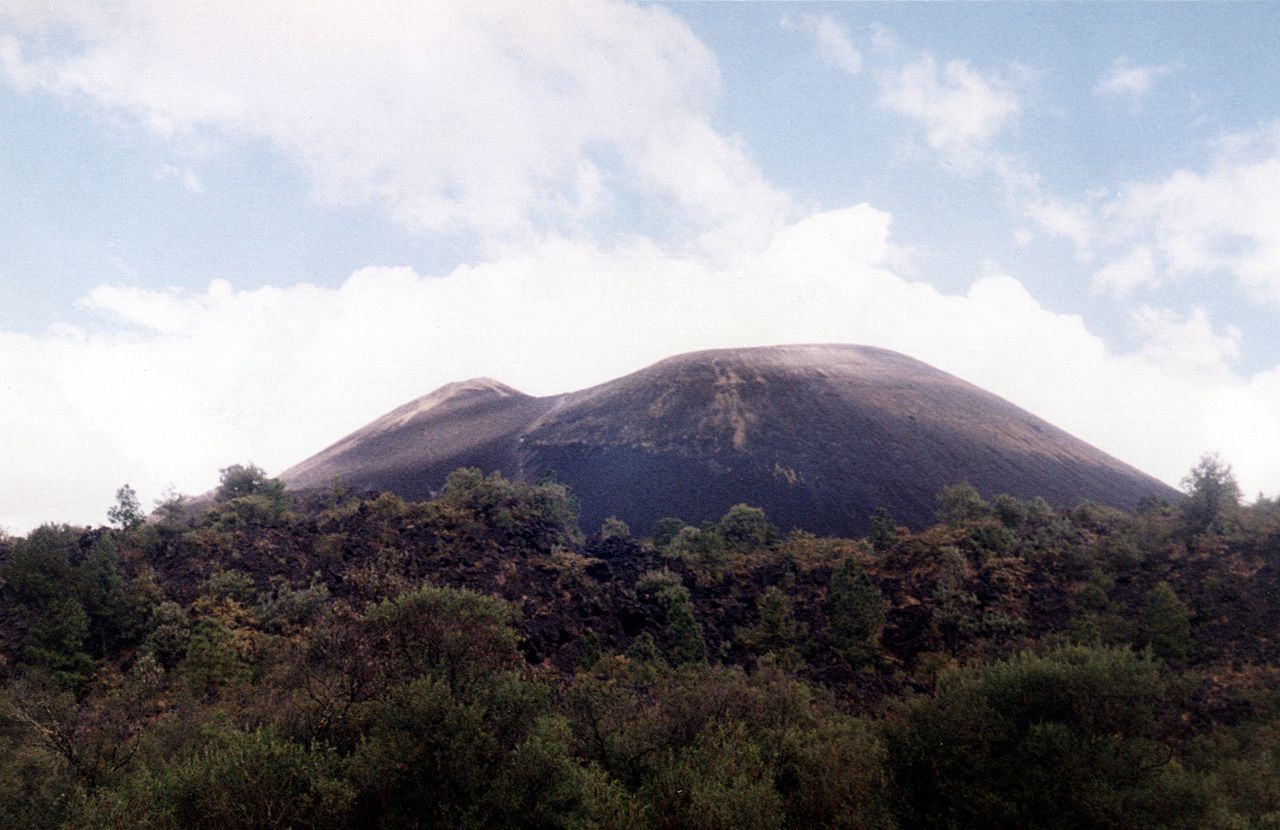
Parícutin is classified as a monogenetic cinder cone—built largely from tephra and scoria during a single eruptive episode and not known to have erupted since. It rises approximately 1,353 feet (424 m) above the surrounding valley and reaches about 9,186 feet (2,800 m) above sea level. Its cone consists of loose fragmental material with a few solidified lava flows at the base.
- Type: monogenetic cinder cone
- First appearance: 1943
- Active period: roughly 1943–1952
- Height above valley: ~1,353 ft (424 m)
Scientific and historical importance
Because observers recorded Parícutin's birth and subsequent evolution, it provided rare, direct evidence of cone-building processes, eruption styles of small basaltic systems, and relationships between tephra deposition and lava emplacement. The volcano helped refine models of hazard assessment for similar vents and illustrated how quickly volcanic landscapes can change.
Uses, tourism and legacy
Today Parícutin is a destination for hikers, students of volcanology and cultural tourists. Trails and guided visits approach the cone and the partially buried church remains. The site also carries cultural significance for local communities and contributes to regional heritage tourism, while serving as an open-air laboratory for education.
Current status
The cone has been dormant since the mid-20th century and is monitored as part of regional geological study. Visitors are asked to respect private property and natural deposits; researchers continue to study the deposits, morphology and long-term erosion of the cone to better understand monogenetic volcanic systems.
Related articles
Author
AlegsaOnline.com Parícutin — 20th-century cinder cone volcano in Michoacán, Mexico Leandro Alegsa
URL: https://en.alegsaonline.com/art/74642
Sources
- commons.wikimedia.org : Paricutin
- unmuseum.org : Parucutin at 7 wonders
- peakbagger.com : Parícutin at Peakbagger.com
- tools.wmflabs.org : 19°29′34.8″N 102°15′3.6″W / 19.493000°N 102.251000°W / 19.493000; -102.251000