
Pärnu County: coastal region and cultural hub in southwestern Estonia
Pärnu County is a coastal county in southwestern Estonia centered on the city of Pärnu. Known for beaches, nature reserves and spa traditions, it combines maritime, agricultural and recreational landscapes.
Overview — Pärnu County lies along the coast of the Gulf of Riga in southwestern Estonia. Its administrative centre and largest urban settlement is the city of Pärnu, which gives the county its name. The region combines coastal lowlands, rivers and forested areas, and serves as a link between maritime trade, tourism and rural economies.
Image gallery
10 Images


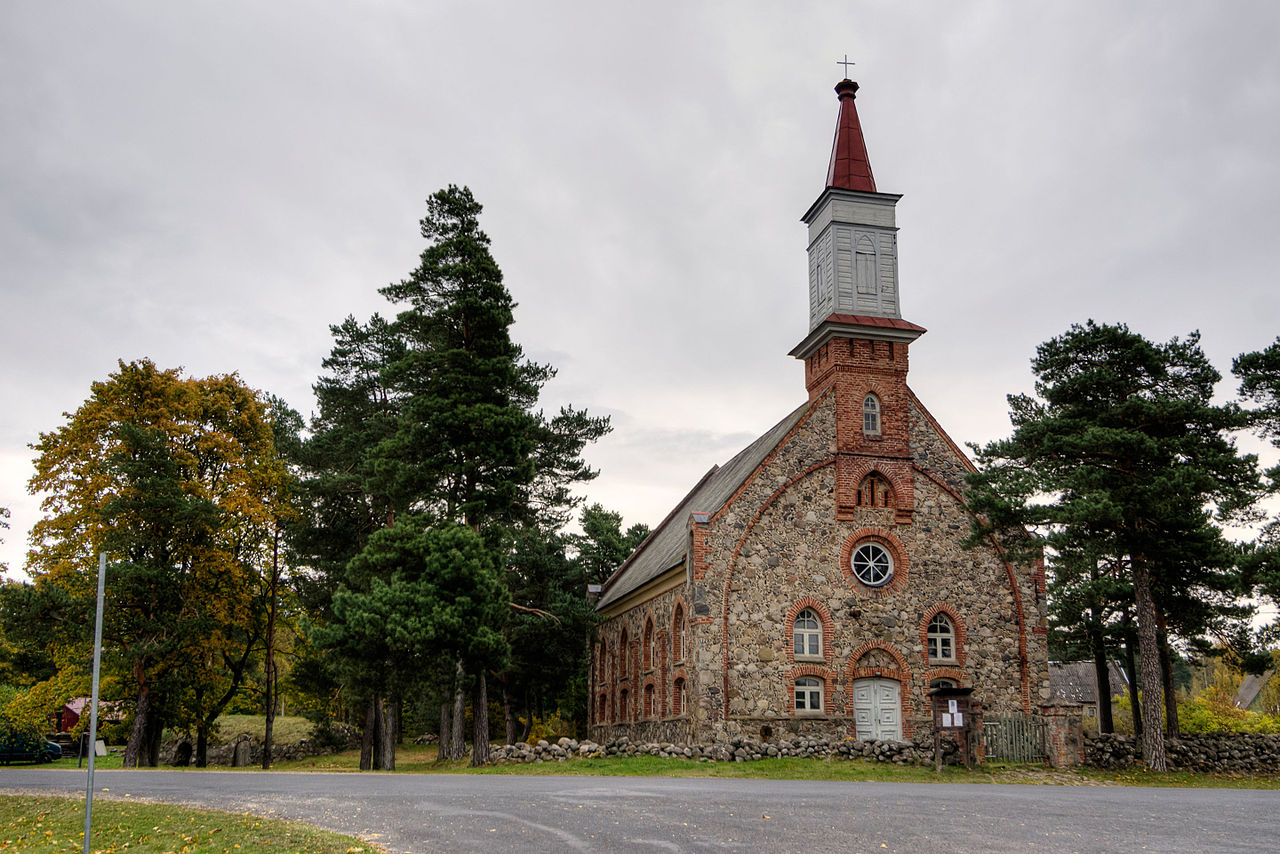


Geography and natural features
The county includes a long sandy coastline, shallow bays and island-fringed waters that attract summer visitors. Inland areas feature wetlands and river valleys; parts of the county are protected for their biodiversity. Seasonal flooding in some lowlands creates important habitats for migratory birds and supports traditional haymaking and grazing in natural meadows.
History and cultural role
Pärnu and its surroundings have long functioned as a regional port and market centre. Over time the city became known for seaside resorts and spa culture, earning a reputation as a summer destination. Local architecture, museums and festivals reflect maritime trade, rural life and modern cultural events that draw both domestic and international visitors.
Administration and municipalities
Pärnu County is organised into one urban municipality (the city of Pärnu) and several rural municipalities that administer smaller towns, parishes and countryside settlements. Local governments manage services, infrastructure and land use across coastal and inland communities, balancing development with conservation priorities. For administrative details see the county overview at Pärnu County.
Economy, tourism and recreation
The county's economy mixes tourism, agriculture, forestry and port-related activities. Popular recreational pursuits include beach-going, spa treatments, boating, fishing, hiking and birdwatching. Seasonal events, cultural festivals and a network of small museums contribute to a year-round cultural life despite the region’s peak activity in summer.
Notable facts
- Pärnu city is widely regarded as a summer capital due to its beaches and resort facilities.
- Protected wetlands and river floodplains are important for biodiversity and migratory birds.
- The county connects coastal landscapes with inland rural traditions, offering varied outdoor and cultural experiences.
Related articles
Author
AlegsaOnline.com Pärnu County: coastal region and cultural hub in southwestern Estonia Leandro Alegsa
URL: https://en.alegsaonline.com/art/74786
Sources
- f.ell.ee : "Elanike demograafiline jaotus maakonniti"
- tools.wmflabs.org : 58°25′N 24°35′E / 58.417°N 24.583°E / 58.417; 24.583