
Parnitha — Mountain and protected area of Attica, Greece
Parnitha is the highest mountain of Attica, Greece. A forested massif near Athens, it is a protected area known for Greek fir and pine woods, wildlife, hiking and a large 2007 wildfire and subsequent restoration.
Overview
Parnitha (also called Mount Parnes) is a prominent mountain massif in southern Greece, forming the northern backdrop to the urban area of Athens on the Attica peninsula. Its highest point rises to approximately 1,413 metres above sea level, making it the tallest peak in the Attica region. The mountain is valued both as a biological reserve and as a nearby natural retreat for residents and visitors.
Image gallery
7 Images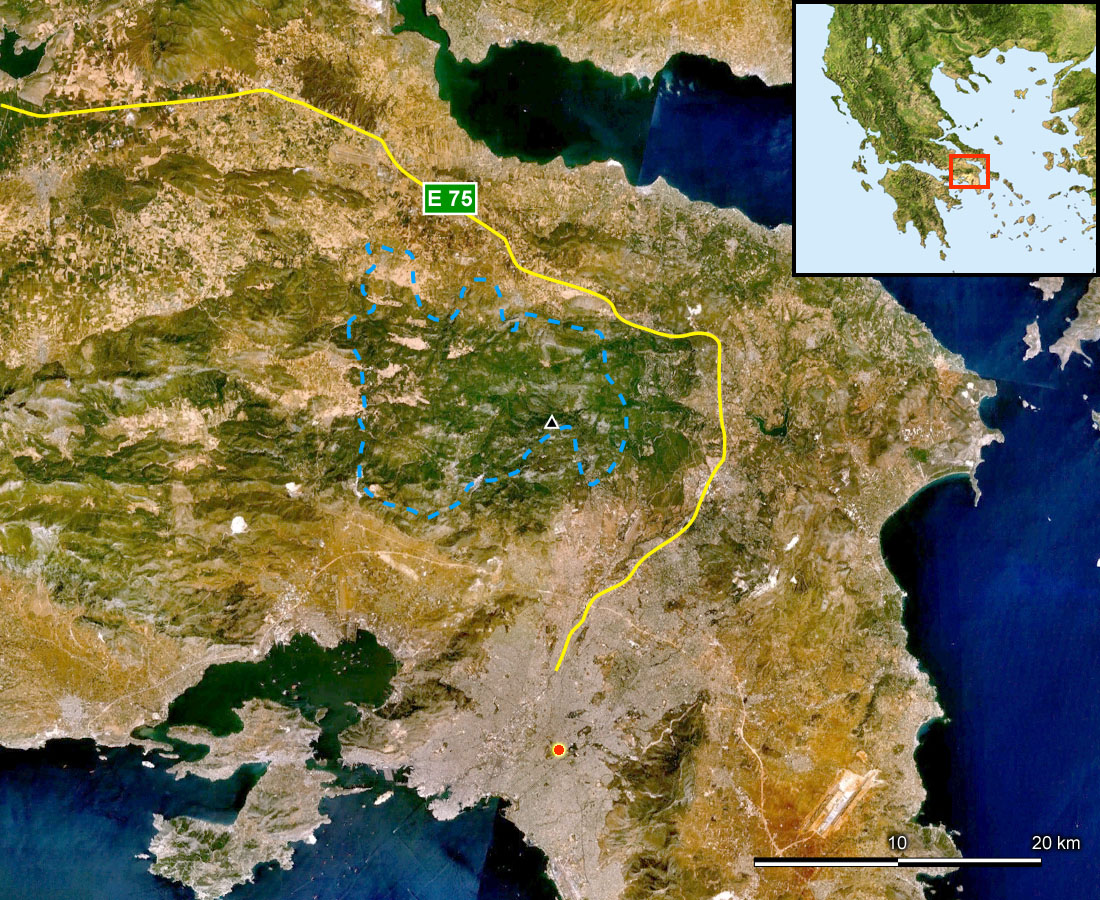



Geography and characteristics
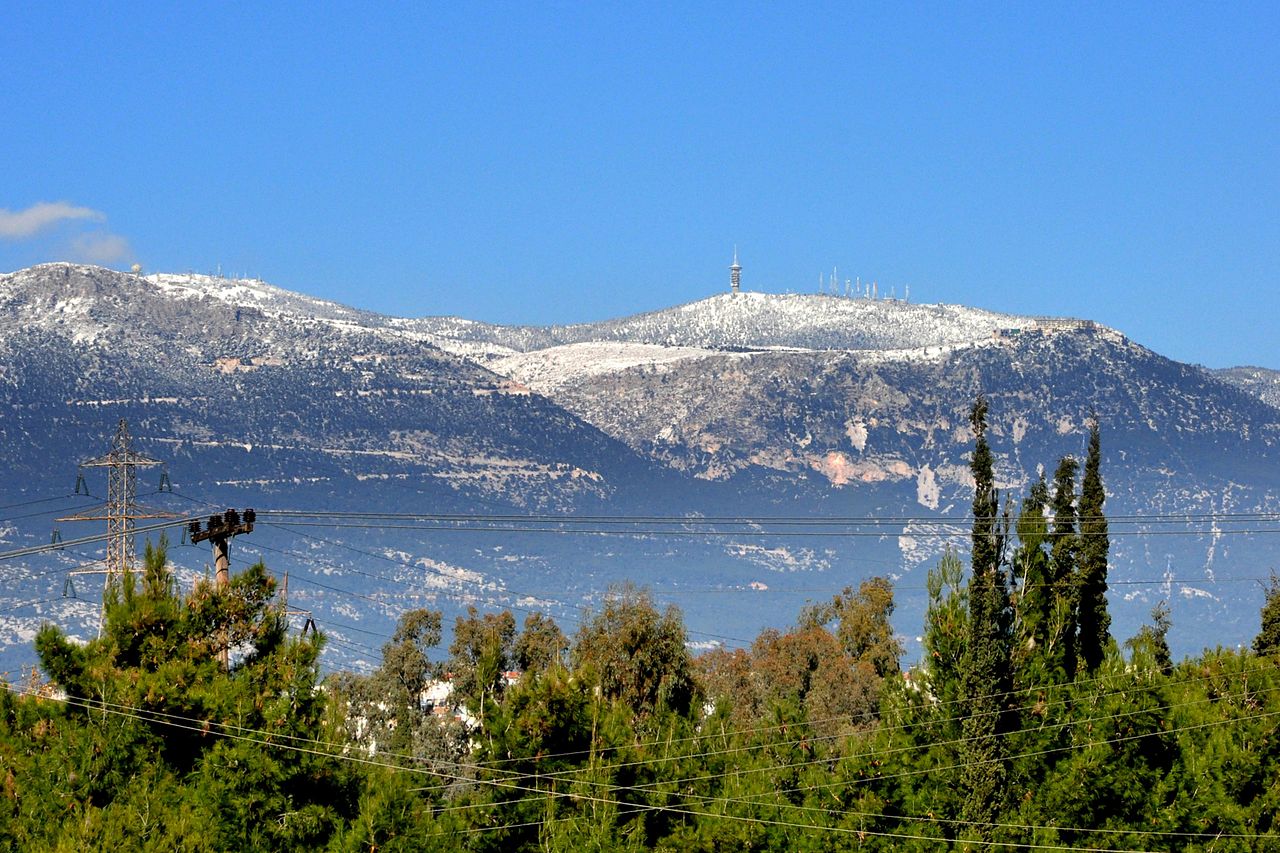
Parnitha consists of rugged ridges, plateaus and steep slopes. The mountain's elevation creates a cooler, wetter microclimate than the surrounding lowlands, which supports denser tree cover. Access is possible via several mountain roads and marked trails; viewpoints on the upper slopes offer wide panoramas over Athens and the Saronic Gulf.
Flora and fauna
The massif is extensively forested: lower and mid slopes are dominated by Mediterranean pine species and mixed broadleaf stands, while at higher elevations there are stands of native Greek fir and other mountain trees. The rich vegetation (see vegetation) supports a variety of wildlife, including mammals, birds of prey and numerous smaller species typical of the region's woodlands.
History, protection and disturbances
Parnitha has long been a place for hunting and pastoral use in historic times and is now recognized for its ecological value. Parts of the massif are legally protected and managed for conservation and recreation. In the summer of 2007 a large and destructive wildfire burned extensive areas of forest, especially pine stands, prompting emergency responses, later reforestation efforts and measures to reduce erosion and encourage natural regeneration.
Uses, recreation and management
The mountain is popular for hiking, mountain biking, birdwatching and day trips from Athens. Visitor facilities, mountain huts and picnic areas are found on the slopes, and local authorities and conservation groups run programmes for replanting and habitat restoration after fires. Management balances public access with the need to protect sensitive habitats and species.
Notable facts and distinctions
- Highest point in Attica at about 1,413 m.
- Extensive forest cover including pines and Greek fir stands; see notes on regional vegetation.
- Site of a major 2007 wildfire that led to conservation and reforestation efforts.
- A short journey from central Greece's capital makes Parnitha an important urban-proximate natural area and recreational resource (forest areas, pine habitat).
For further reading and visiting information consult local conservation authorities and trail guides before planning a trip to the mountain Parnitha.
Questions and answers
Q: Where is Parnitha located?
A: Parnitha is located in the south of Greece, in Attica peninsula.
Q: What is the height of Parnitha?
A: Parnitha is the highest mountain in Attica, with a height of 1,413 meters.
Q: What is the vegetation like on Parnitha?
A: Parnitha is covered by dense vegetation. In the lower points it is covered by Pine forests and in the higher points by Greek-fir forests.
Q: Was there a destructive wildfire on Parnitha?
A: Yes, in the summer of 2007, a big part of the forest on Parnitha was burnt because of a destructive wildfire.
Q: Why did the wildfire happen on Parnitha?
A: The text does not give the reason for the wildfire on Parnitha.
Q: Is Parnitha a popular destination for hiking?
A: The text does not provide information on whether Parnitha is a popular destination for hiking.
Q: Is there any wildlife on Parnitha?
A: The text does not provide information on wildlife on Parnitha.
Related articles
Author
AlegsaOnline.com Parnitha — Mountain and protected area of Attica, Greece Leandro Alegsa
URL: https://en.alegsaonline.com/art/74785
Sources
- news.bbc.co.uk : BBC, the fire in Parnitha mountain