
Parenting: Guiding Children from Infancy to Independent Adulthood
Overview of parenting: roles, tasks by developmental stage, major approaches, cultural variations, and social importance. Practical examples and common challenges for caregivers.
Overview
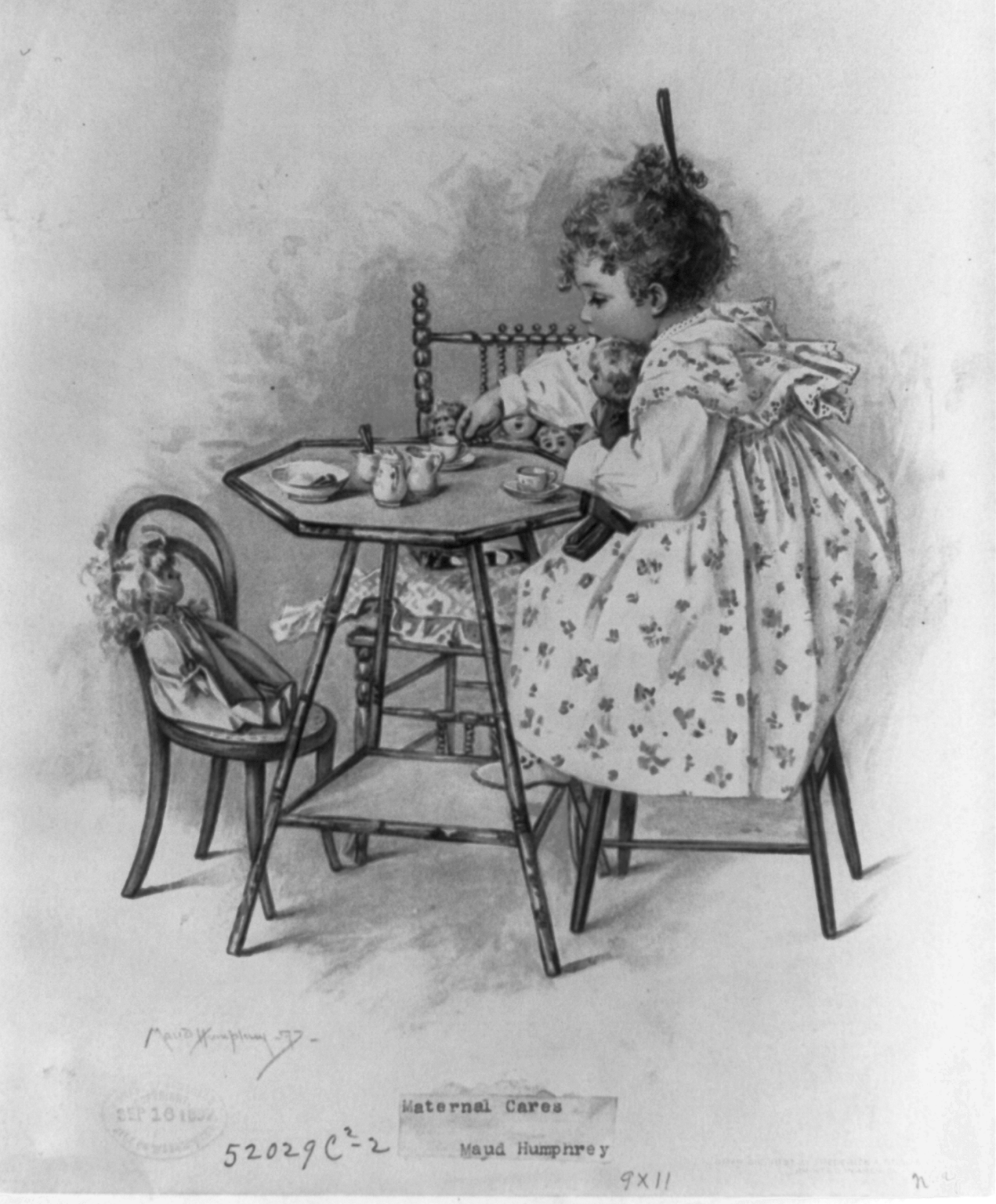
Parenting is the active process by which caregivers support a child's physical, emotional and social growth so that the child matures into a functioning adult. It encompasses day-to-day care and long-term education, shaping habits, values and skills. Good parenting balances protection and guidance with opportunities for increasing independence; its immediate aim is healthy child development, and its broader purpose is preparing young people to participate in society.
Image gallery
10 Images




Practical responsibilities
During infancy, practical tasks focus on survival and comfort: regular feeding, hygiene, soothing and meeting sleep needs such as naps and nighttime sleep. Because infants cannot yet use words, caregivers observe behaviour and respond to cues to build trust and attachment; this early responsiveness also supports later language learning and social skills. As children grow, parents introduce routines and expectations—cleaning, health habits and social manners—that become the basis for self‑care.
Developmental stages and day-to-day tasks
Parenting changes as a child passes through stages. Typical focuses include:
- Infancy: meeting basic needs and establishing secure attachment.
- Toddlerhood and preschool: teaching simple rules, encouraging play and emergent speech despite limited speech.
- School-age: reinforcing habits like tooth brushing, homework routines and polite behaviour; many caregivers use structured rules to teach responsibility.
- Adolescence: supporting identity, autonomy and decision-making while maintaining guidance.
Parents commonly cultivate daily practices such as schedules, mealtime habits and hygiene—examples include bedtime routines, homework time and daily routines that help children predict and manage their days. Instruction in manners and public behaviour—sometimes called social etiquette—is part of helping children function in groups.
Approaches, cultural variation and legal context
Approaches to parenting vary widely. Commonly discussed styles include firm-but-warm guidance, permissive approaches and more hands-off patterns; cultures differ in the value placed on obedience, independence or community interdependence. Legal and social systems also shape parenting through child welfare laws, schooling requirements and parental leave policies. Families may include biological, adoptive or foster parents and blended households; public programs and community resources often assist caregivers.
Importance, challenges and support
Parenting affects health, education and social outcomes across a lifespan and contributes to societal stability. Contemporary challenges include balancing work and caregiving, managing screen time and responding to mental health needs. Communities offer help through health services, parenting classes and peer support networks. For those seeking further information or guidance, many reliable resources and professional services exist to assist parents at every stage.
Related articles
Author
AlegsaOnline.com Parenting: Guiding Children from Infancy to Independent Adulthood Leandro Alegsa
URL: https://en.alegsaonline.com/art/74626