
Pentre Ifan: Neolithic Dolmen of Pembrokeshire
Pentre Ifan is a prominent Neolithic portal dolmen near Nevern in Pembrokeshire, Wales, noted for its massive capstone and high state of preservation; it is an important prehistoric monument and visitor site.
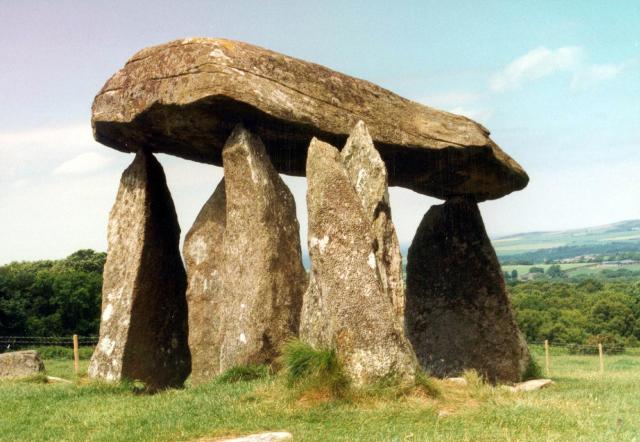
Pentre Ifan is one of the best preserved Neolithic dolmens in Wales. Located on the ancient manor of Pentre Ifan in the parish of Nevern, Pembrokeshire, it presents a striking arrangement of upright stones supporting a single large capstone, forming what is commonly called a portal or burial dolmen. Its dramatic silhouette on a gentle hilltop has made it a well known prehistoric landmark.
Image gallery
10 Images


Form and characteristics
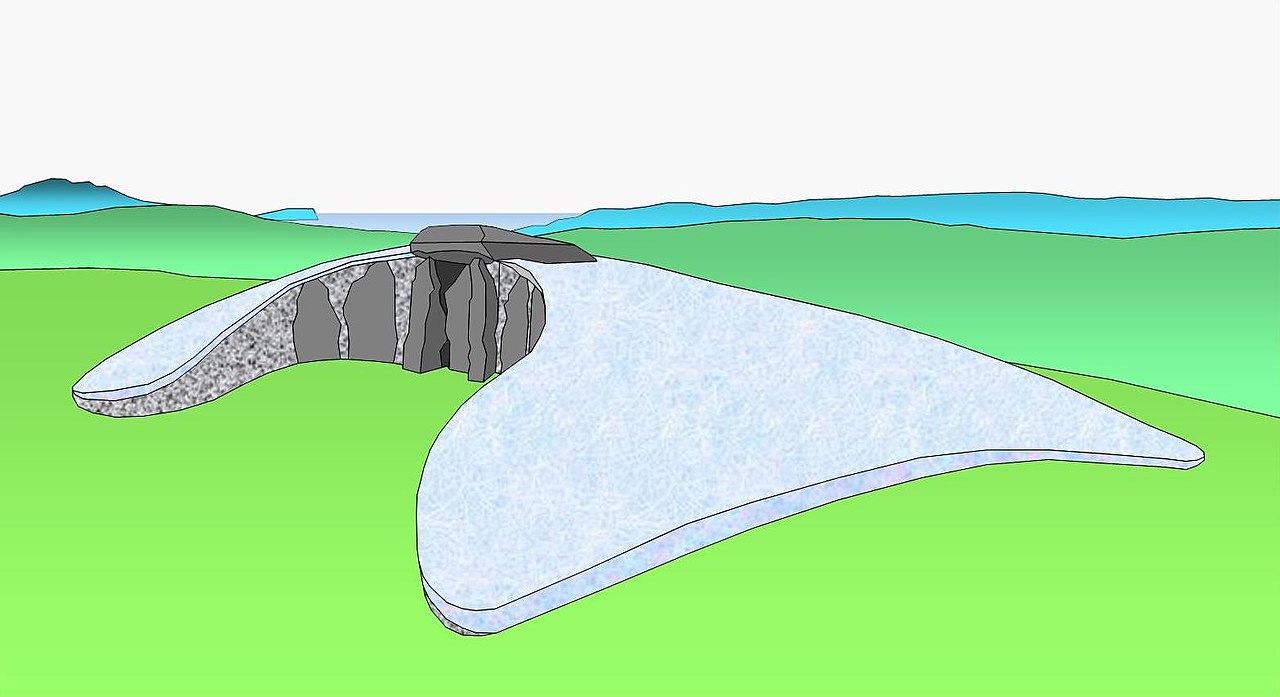
The monument consists of a handful of upright orthostats that create a small internal chamber, capped by a broad, flat capstone. The original earthen mound that once covered and surrounded the chamber has been mostly removed, leaving the stone framework visible. Typical features include:
- Capstone: a large slab balanced on supporting uprights, notable for its scale and apparent precision.
- Chamber: a small internal space interpreted as a burial or ritual area.
- Setting: placed on a raised area with views across the surrounding landscape, suggesting deliberate siting.
Origins and date
Dolmens of this type are characteristic of the early to middle Neolithic period. They are generally interpreted as communal tombs or ceremonial structures erected by farming communities sometime in the fourth or early third millennium BCE. Pentre Ifan exemplifies construction techniques and ritual practices associated with those prehistoric societies.
Over the centuries the site has attracted antiquarian interest and later became part of local landed estates; the manor of Pentre Ifan in Nevern is historically associated with the Bowen family. In modern times the monument has been recorded, studied and conserved as an important archaeological and cultural asset, and it is cared for to allow public access and protection.
Importance and visiting
Pentre Ifan is valued for its archaeological significance, aesthetic presence, and ability to illustrate Neolithic burial customs. It serves as a focal point for education, tourism and local identity, and is frequently cited in guides to prehistoric Britain. Visitors should respect the site and follow conservation guidance to avoid damaging fragile archaeology.
For further context and links to general topics, see Neolithic monuments, information on dolmens, and regional resources for Pembrokeshire. Historical background about the manor is discussed in sources at Pentre Ifan manor and the Nevern parish pages at Nevern. Additional archival or family history references appear at Bowen family records.
Questions and answers
Q: What is the Pentre Ifan dolmen?
A: The Pentre Ifan dolmen is the largest and best preserved neolithic dolmen in Wales.
Q: Where is the Pentre Ifan dolmen located?
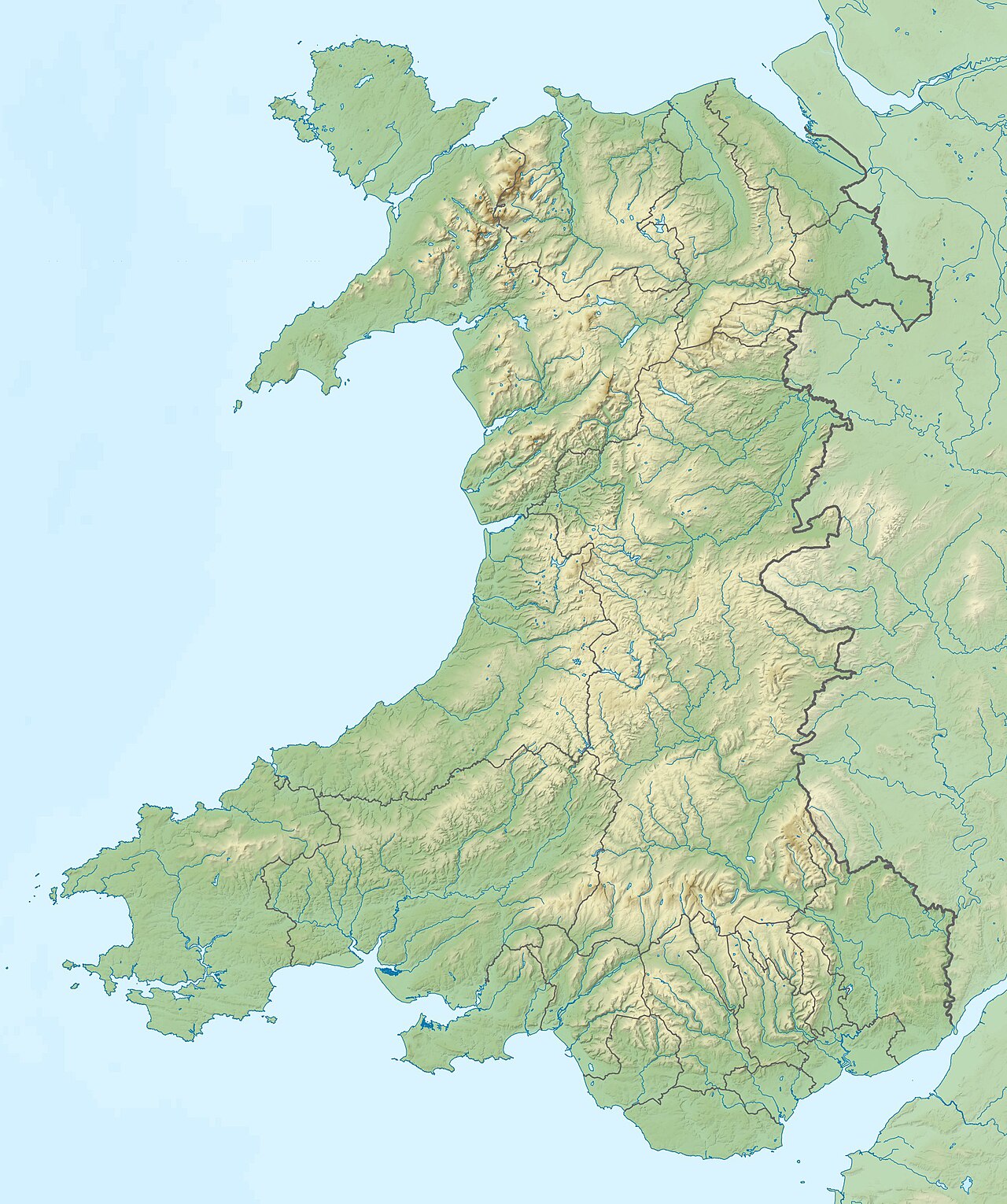
A: The Pentre Ifan dolmen is located on the ancient manor of Pentre Ifan in the civil parish of Nevern, Pembrokeshire, Wales.
Q: Who lived on the manor of Pentre Ifan?
A: The Bowen family has lived on the manor of Pentre Ifan going back to the 11th century.
Q: When was the Pentre Ifan dolmen built?
A: The Pentre Ifan dolmen was built during the neolithic period, which was around 4000-2500 BCE.
Q: How was the Pentre Ifan dolmen built?
A: The Pentre Ifan dolmen was built using large stones placed in a specific formation to create a chamber or tomb.
Q: Why is the Pentre Ifan dolmen important?
A: The Pentre Ifan dolmen is important because it is the largest and best preserved neolithic dolmen in Wales, providing insight into the religious and funerary practices of this time.
Q: What is the significance of the Bowen family in relation to the Pentre Ifan dolmen?
A: There is no direct significance of the Bowen family in relation to the Pentre Ifan dolmen, but they were the historical residents of the manor where the dolmen is located.
Related articles
Author
AlegsaOnline.com Pentre Ifan: Neolithic Dolmen of Pembrokeshire Leandro Alegsa
URL: https://en.alegsaonline.com/art/75652
Sources
- coflein.gov.uk : "PENTRE IFAN CHAMBERED TOMB, NEAR NEVERN"
- bluestonewales.com : "Pentre Ifan Burial Chamber"
- wondermondo.com : "Pentre Ifan"
- rock-art-in-wales.co.uk : "Pentre Ifan"
- cadw.wales.gov.uk : Cadw website