
Panarthropoda
Panarthropoda is a clade of ecdysozoan animals that includes arthropods, onychophorans, tardigrades and several fossil relatives, united by segmented bodies, paired appendages and a molting lifecycle.
Overview
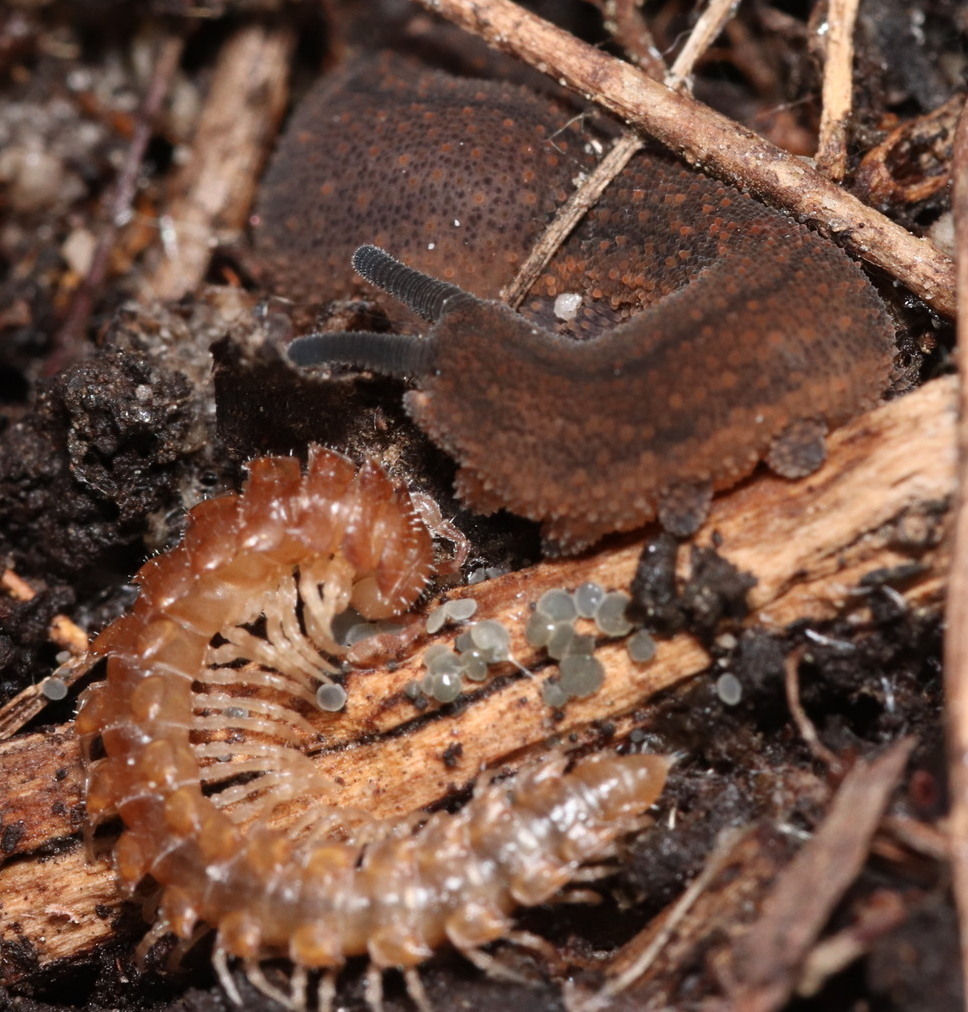
Panarthropoda is a widely used name for a grouping of animal lineages within the molting animals, or ecdysozoans. It brings together the living phyla Arthropoda (insects, crustaceans, myriapods and chelicerates), Onychophora (velvet worms) and Tardigrada (water bears), together with several fossil-grade assemblages such as lobopodians and dinocaridids. Members are generally characterized by a segmented body plan and paired limb-like structures.
Image gallery
10 Images




Key characteristics
Although diversity is large, panarthropods share a set of recurring anatomical and developmental features:
- Segmented bodies with serially repeated units.
- Paired appendages or lobopodous limbs, often ending in claws.
- An exoskeletal or partly sclerotized cuticle and growth by molting.
- A ventral nerve cord and concentrated head sensory structures in many groups.
Fossil history and origin
Panarthropod affinities are well represented in Cambrian fossil deposits, where lobopodians and more complex dinocaridids show transitional morphologies between soft-bodied forms and fully jointed arthropods. These fossils help trace the origins of jointed limbs, segmented tagmosis and the diverse body plans that later radiated into modern arthropods and their relatives.
Living groups and examples
Today the clade encompasses extremely varied organisms. Arthropods are the most speciose and ecologically dominant, onychophorans are terrestrial, soft-bodied predators using adhesive slime, and tardigrades are minute, resilient animals noted for surviving extreme conditions. Paleontological names such as "Lobopodia" and hypotheses like Tactopoda are used to describe relationships among fossil and living members.
Importance and distinctions
Panarthropods are central to studies of animal evolution because they illustrate transitions from simple lobopodous appendages to articulated, jointed limbs and complex exoskeletons. Distinguishing panarthropods from other ecdysozoans emphasizes the shared structural and developmental patterns that underpin a major component of animal biodiversity.
Related articles
Author
AlegsaOnline.com Panarthropoda Leandro Alegsa
URL: https://en.alegsaonline.com/art/74317