
Panther: names, species, and natural history
Overview of the term 'panther', the species and color variants it denotes, taxonomy, geographic usage, behavior, cultural role, and conservation concerns.
Overview
"Panther" is a vernacular name used for several large wild cats rather than a single scientific species. In everyday language it may refer to members of the genus Panthera, to certain cats that show specific coat colors, or to different regional felines. The term appears in field guides, popular writing and cultural references and can cause confusion unless the speaker specifies the animal or region meant.
Image gallery
1 Image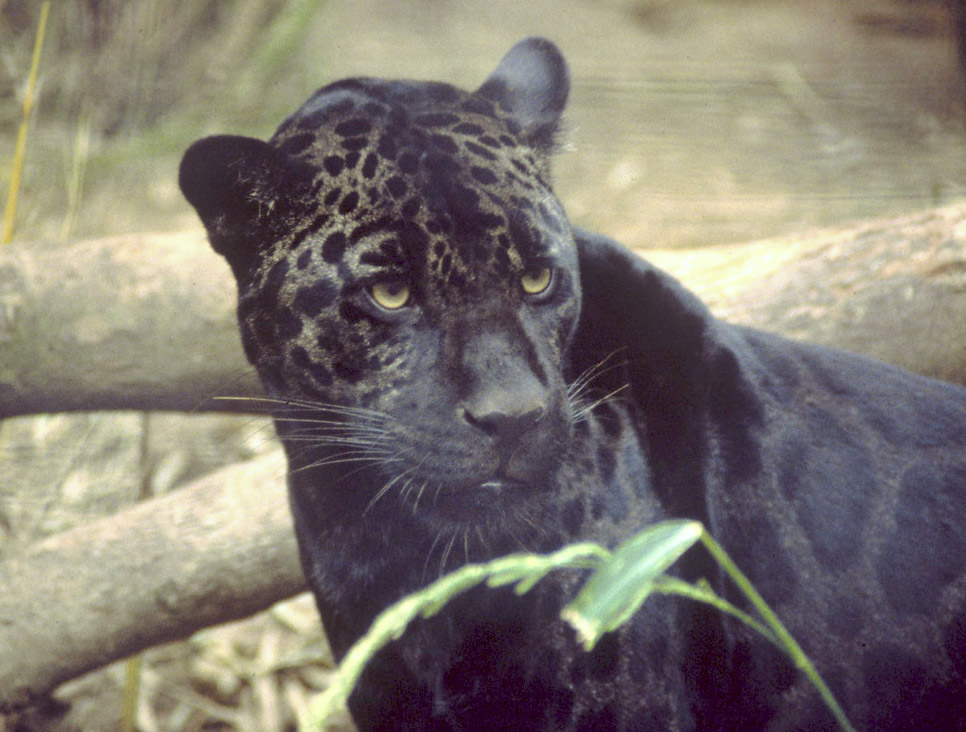
Names and regional usage
The word is applied in different ways around the world. In parts of Asia and Africa people commonly call the leopard (leopard) a panther, while in the Americas the jaguar (jaguar) or the puma (puma) may be called a panther. Regional mentions often include place names, for example references to animals in Asia, Africa, South America, and North America. The population known as the Florida panther is associated with Florida in the USA.
Taxonomy and representative species
Biologically, many of the creatures called panthers belong to the big-cat lineage. The genus Panthera includes the lion (lion), the leopard (leopard) and the jaguar (jaguar). The broader subfamily Pantherinae groups these and related large felids. Separately, the puma (puma or cougar) belongs to a different genus but is sometimes called a panther in North American usage.
Physical characteristics and color variants
When people say "black panther" or "white panther" they usually describe coat color rather than a distinct taxon. Melanism — an excess of dark pigment — produces the black appearance most often seen in leopards and jaguars, while rare light or pale coats may be called white forms; discussions of these traits are summarized under the general topic of pigmentation and pelage variation. Otherwise, panthers share large-cat features: muscular bodies, retractable claws, and teeth adapted for a carnivorous diet.
Habitat, behavior and examples
Animals called panthers occupy diverse habitats: forests, grasslands, mountains and wetlands. Leopards range across parts of Asia and Africa, jaguars are native to South America and adjacent regions, and pumas inhabit much of the Americas including North America. The Florida panther is a notable local example within the state of Florida in the United States. Behavior varies by species but typically includes solitary hunting, nocturnal or crepuscular activity, and strong territorial instincts.
Cultural significance and conservation
Panthers feature in folklore, art and modern media as symbols of stealth, power, and mystery. Because the label spans several species and color morphs, cultural references often blend natural history with myth. Conservation concerns are common: habitat loss, hunting and human-wildlife conflict threaten many populations called panthers. Efforts to protect them range from legal protections and habitat preservation to local recovery programs aimed at specific populations such as the Florida panther. For further reading and species-specific details consult authoritative field guides and conservation resources linked above.
- Representative big cats sometimes called panthers: lion, leopard, jaguar, puma.
- Taxonomic references: genus Panthera, subfamily Pantherinae.
- Coloration topics: melanism and pale variants.
Questions and answers
Q: What does Panther mean?
A: Panther can refer to a black panther or white panther, which are names for leopards or jaguars with specific fur colors. It can also refer to any animal that belongs to the Panthera genus or the Pantherinae subfamily.
Q: What other felines are referred to as panther in different regions?
A: In Asia and Africa, the leopard is referred to as a panther. In South America, the jaguar is referred to as a panther. In North America, especially Florida, USA, the puma is referred to as a panther.
Q: Do all panthers have black or white fur?
A: Yes, panthers have either black or white fur.
Q: Are all black or white felines considered panthers?
A: No, only leopards and jaguars with black or white fur are considered panthers.
Q: What family do all animals referred to as panthers belong to?
A: All animals referred to as panthers belong to the Felidae family.
Q: Can a lion be considered a panther?
A: Yes, a lion can be considered a panther since it belongs to the Panthera genus.
Q: What is the subfamily that panthers belong to?
A: Panthers belong to the Pantherinae subfamily.
Related articles
Author
AlegsaOnline.com Panther: names, species, and natural history Leandro Alegsa
URL: https://en.alegsaonline.com/art/74395