
Pohela Boishakh — Bengali New Year
Pohela Boishakh is the Bengali New Year celebrated each mid-April with processions, fairs, music and traditional foods across Bangladesh, West Bengal and Bengali communities worldwide.
Overview
Pohela Boishakh (literally “first of Baisakh”) marks the first day of the traditional Bengali year. Observed with festive gatherings, it falls in mid-April and is widely celebrated by Bengalis regardless of religion. The day is tied to the Bengali calendar and serves as both a cultural New Year and a time to welcome spring and renewed agricultural cycles. In Bangladesh it is a national holiday and a major social event.
Image gallery
10 Images



Calendar and dates
Different Bengali communities observe Pohela Boishakh on slightly different dates due to calendar reforms and local practice. In modern Bangladesh the celebration is officially held on 14 April; many Bengali communities outside Bangladesh usually mark it on 15 April. The gap stems from revisions made to align the traditional calendar with the solar year and seasonal cycles.
History and origins
The precise origins of the Bengali calendar are complex and the subject of historical study. The calendar used today evolved from earlier regional and administrative timekeeping systems in medieval South Asia. Some accounts associate later standardization with fiscal reforms during the Mughal period, while local agrarian cycles and regional traditions also shaped how New Year festivities developed. Over centuries the day absorbed folk customs, religious observances and urban cultural practices.
Customs and common observances
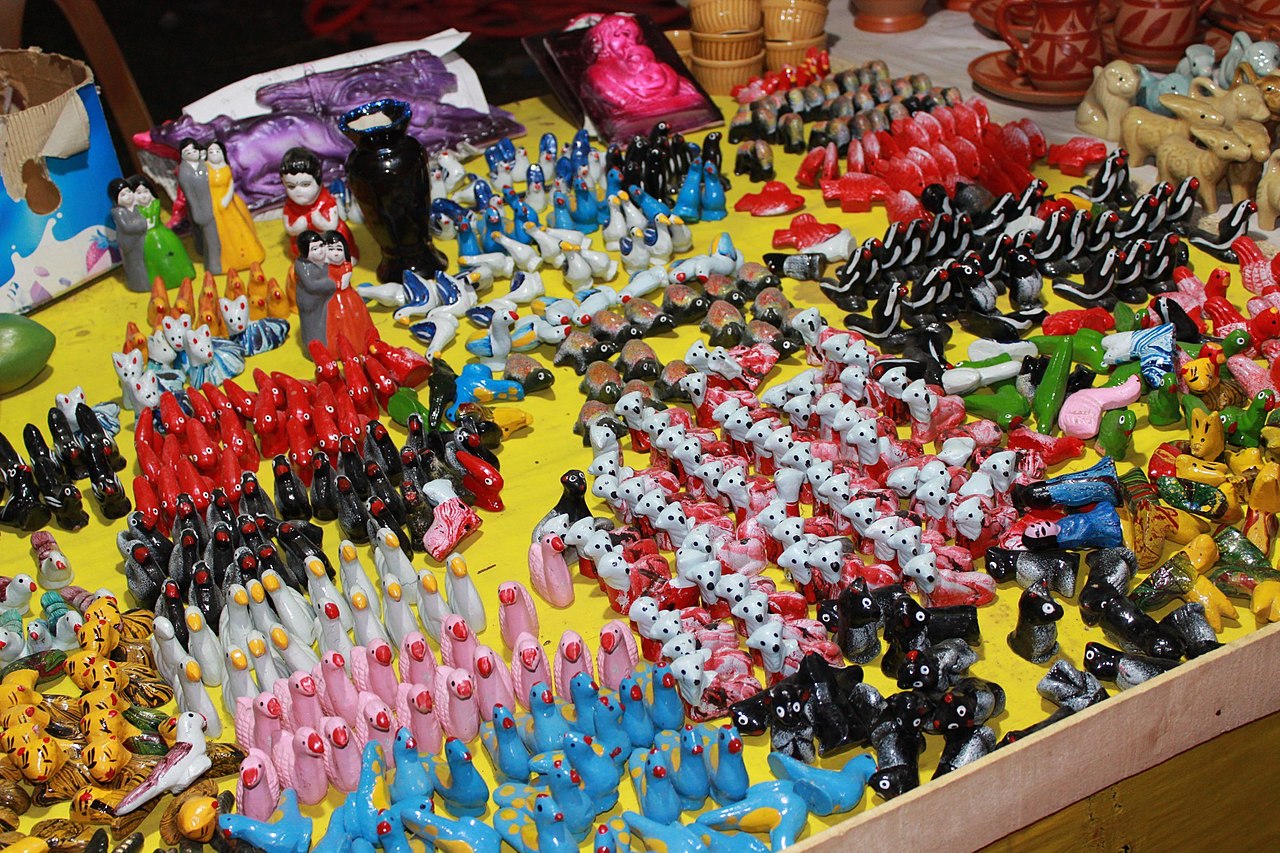
Pohela Boishakh combines religious neutrality with popular culture: households clean and decorate their homes, new clothes are worn, and people visit friends and family. Public festivities frequently include music, dance and parades. In cities and towns, large fairs—commonly known as Boishakhi fairs—offer handicrafts, toys, seasonal produce and sweets. Traditional music and folk performances are central to the atmosphere.
- Processions such as the Mangal Shobhajatra (notably in Dhaka) feature large, symbolic effigies and are a hallmark of urban celebration.
- Business owners often open new accounting ledgers—an event called Haal Khata—inviting customers to start the year with renewed trade relations.
- Puppet shows, folk songs, and merry-go-rounds are common attractions at spring fairs.
Foods, markets and crafts
Seasonal and traditional foods are integral. Many families prepare or buy rice-based dishes, sweetmeats and special snacks that vary by locality. Boishakhi markets sell agricultural products, handloom textiles and regional handicrafts. These fairs provide both entertainment and economic support for artisans and small-scale vendors.
Regional variations and where it is observed
Pohela Boishakh is celebrated across Bangladesh and in the Indian state of West Bengal, and by Bengali communities in other Indian states such as Assam, Tripura and Jharkhand as well as in Odisha and diaspora communities worldwide. In Bangladesh the day is recognized as a national holiday and features state-sponsored cultural programs; in parts of India it is both a popular regional festival and a marker of Bengali identity. The day is sometimes referred to simply as Noboborsho or Pahela Baishakh in local speech (Bengali).
Significance and notable facts
Pohela Boishakh is more than a date on the calendar: it is an expression of cultural continuity, seasonal renewal and communal identity. Modern observances balance longstanding rural customs with urban pageantry, and include contemporary artistic displays as well as age-old rituals. Major processions like the Mangal Shobhajatra have gained international attention for their scale and creative expression, and Boishakhi fairs remain important venues for artisans and performers.
For cultural information and practical details—such as event listings and dates in particular regions—see local community calendars and cultural organizations in Bangladesh and West Bengal. Further resources from regional cultural bodies and community groups can provide schedules, photographs and guidance on participating in local celebrations.
Questions and answers
Q: What is Pohela Boishakh?
A: Pohela Boishakh is the first day of the Bengali calendar, celebrated as Bengali New Year in Bangladesh and the Indian state of West Bengal.
Q: When is Pohela Boishakh celebrated?
A: Pohela Boishakh is celebrated on 14th April in Bangladesh and 15th April in other places.
Q: Where is Pohela Boishakh celebrated?
A: Pohela Boishakh is celebrated in Bangladesh, the Indian state of West Bengal, and Bengali communities in other places like Assam, Tripura, Jharkhand and Odisha.
Q: Is Pohela Boishakh a national holiday in Bangladesh?
A: Yes, Pohela Boishakh is a national holiday in Bangladesh.
Q: What does Pohela mean in Bengali?
A: In Bengali, Pohela means ‘first’.
Q: What are Boishakhi fairs?
A: Boishakhi fairs are fairs that are held in many parts of Bangladesh during Pohela Boishakh. Various agricultural products, traditional handicrafts, toys, cosmetics, as well as various kinds of food and sweets are sold at these fairs. The fairs also provide entertainment, with singers and dancers presenting folk songs.
Q: What are some of the attractions of Boishakhi fairs?
A: Some of the attractions of Boishakhi fairs are puppet shows, merry-go-rounds, and other forms of entertainment.
Related articles
Author
AlegsaOnline.com Pohela Boishakh — Bengali New Year Leandro Alegsa
URL: https://en.alegsaonline.com/art/77604
Sources
- dhruvplanet.com : Pohela Boishakh - Nabo Barsho - Bengali New Year Wishes