
Aurornis xui: basal bird-like theropod from Late Jurassic–Early Cretaceous China
Aurornis xui, a basal bird-like theropod from Late Jurassic–Early Cretaceous China, known from a near-complete fossil; its age and primitive features illuminate early avian evolution.
Overview
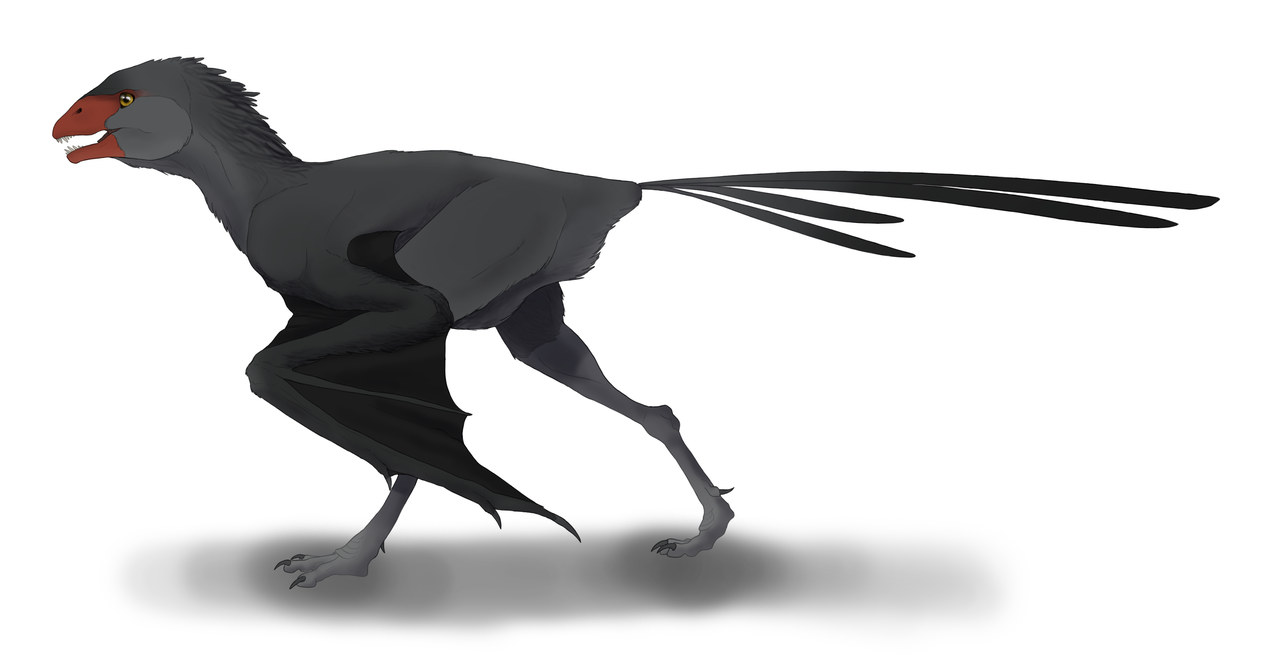
Aurornis is a fossil genus of bird-like theropod known from deposits that are dated either to the later Jurassic or to the Lower Cretaceous. The material was recovered from what is now part of China and is represented by the species Aurornis xui. Some researchers consider this species to be among the most basal birds discovered so far.
Image gallery
10 Images



Discovery and age
The fossil was described in 2013 from a relatively complete skeleton preserved in fine-grained rock. Radiometric and stratigraphic evidence places the specimen slightly earlier than many classic avian fossils; if those dates are correct, Aurornis may predate Archaeopteryx lithographica by roughly ten million years. However, the exact age and its implications for the origin of birds remain topics of active study and some debate.
Significance
- Evolutionary position: Anatomical features of Aurornis suggest a very primitive position on the branch leading to modern birds, which is why it is often described using the term basal.
- Feathered theropods: The specimen adds to evidence that many small theropod dinosaurs had bird-like characteristics before the emergence of true birds.
- Geographic context: The find in China contributes to a growing record of early bird relatives from East Asia.
Ongoing work on the specimen and related fossils aims to refine its age and clarify how it fits into the early stages of avian evolution. For readers seeking the taxonomic term used above, see the entry for genus; for the geological periods mentioned, consult resources on the Jurassic and the Lower Cretaceous.
Questions and answers
Q: What is Aurornis?
A: Aurornis is a genus of dinobird from later Jurassic or the Lower Cretaceous, which lived in what is now China.
Q: How old is Aurornis?
A: Aurornis is believed to have lived about 10 million years before the earliest bird, Archaeopteryx lithographica.
Q: What is the significance of Aurornis in the study of birds?
A: Aurornis is considered to be one of the most basal or primitive bird species known to date, which is significant in understanding the evolution of birds.
Q: When was Aurornis discovered?
A: Aurornis was discovered in 2013.
Q: What is a dinobird?
A: Dinobirds are extinct species that are considered to be transitional forms between birds and dinosaurs.
Q: Where was Aurornis found?
A: Aurornis was found in China.
Q: What is the difference between Aurornis and Archaeopteryx lithographica?
A: Archaeopteryx lithographica is the earliest known bird, whereas Aurornis is believed to have lived about 10 million years before it. Additionally, Aurornis is considered to be one of the most basal or primitive bird species known to date.
Tags
Related articles
Author
AlegsaOnline.com Aurornis xui: basal bird-like theropod from Late Jurassic–Early Cretaceous China Leandro Alegsa
URL: https://en.alegsaonline.com/art/7421
Sources
- guardian.co.uk : "Early bird called Dawn beat Archaeopteryx to worm by 10m years"
- nature.com : nature.com/articles/nature12168?error=cookies_not_supported&code=325afb7d-f4a5-4f2e-b21b-…
- ui.adsabs.harvard.edu : 2009Natur.461..640H
- doi.org : 10.1038/nature08322
- pubmed.ncbi.nlm.nih.gov : 19794491
- doi.org : 10.1016/j.palaeo.2012.01.017
- bbc.co.uk : "Archaeopteryx restored in fossil reshuffle"
- foxnews.com : "Dinosaur or bird? New study restores famed fossil to 'bird' branch"
- sciencenews.org : "Fossil muddies the origin of birds"