
Avemetatarsalia — bird-line archosaurs (Panaves)
Avemetatarsalia, or Panaves, is the clade of archosaurs closer to birds than to crocodiles; it includes dinosaurs (and birds), pterosaurs, and several early relatives that shaped terrestrial and aerial vertebrate evolution.
Avemetatarsalia (literally "bird toes") is the name given to the bird-line archosaurs: animals more closely related to modern birds than to modern crocodilians. The term was introduced to clarify the two main branches of crown-group archosaurs and is often used interchangeably with the informal name Panaves ("all birds" in a phylogenetic sense). In practice, Avemetatarsalia embraces the diverse lineages that gave rise to dinosaurs (including living birds), the extinct pterosaurs, and a number of earlier, small-bodied relatives whose exact positions are still debated.
Image gallery
10 Images



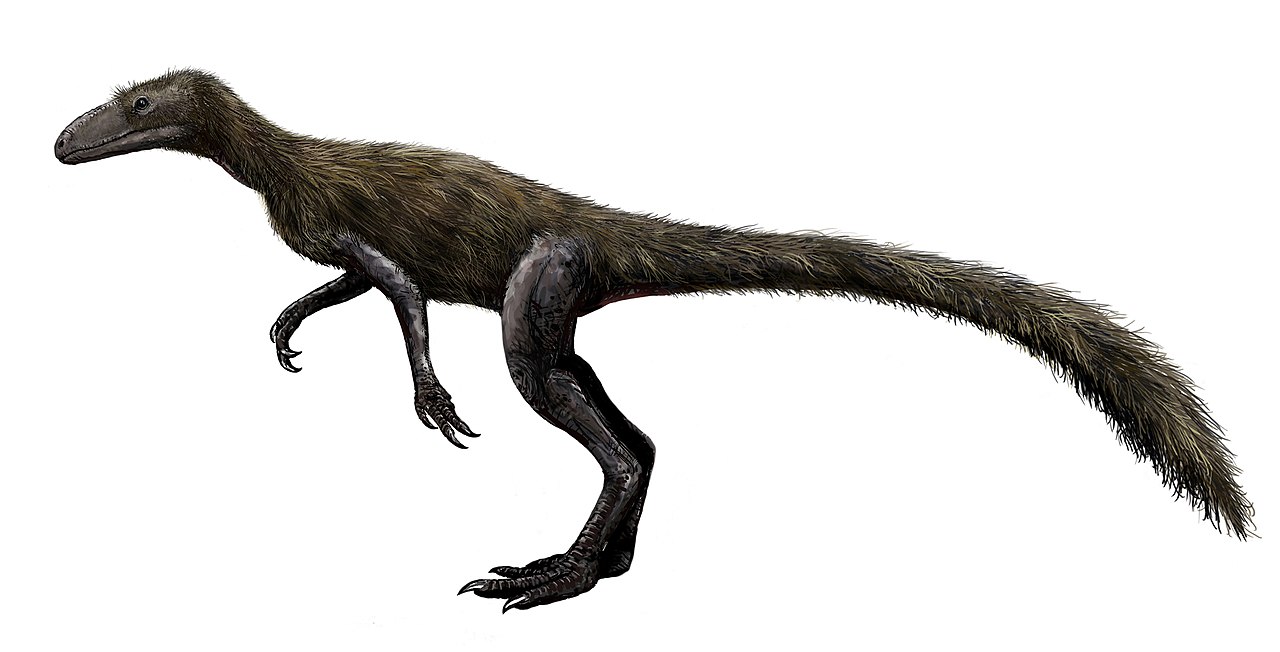
Key groups and traits
The principal members of Avemetatarsalia are the dinosaurs and pterosaurs, but the clade also contains several Triassic stem-groups that help bridge the anatomy between primitive archosaurs and later specialized forms. Common trends among many avemetatarsalians include a generally upright limb posture, elongation of the hind limbs and metatarsals, and skeletal adaptations favoring agility and, in some lineages, aerial locomotion. Anatomical features often cited by paleontologists to diagnose bird-line archosaurs include changes to the ankle joint and proportions of the hindfoot, although exact character sets vary between studies.
Evolutionary history
Avemetatarsalia arose early in archosaur evolution, when the ancestral archosaur split into two major branches: the bird-line and the crocodile-line (the latter often discussed under different names). This divergence produced distinct evolutionary experiments in locomotion and ecology. In the Triassic, small, fast avemetatarsalians diversified into multiple niches; on the bird-line, one lineage eventually produced the vast diversity of dinosaurs, while another evolved wings and true powered flight as pterosaurs. Birds represent the only surviving dinosaurian lineage today.
Importance and distinctions
Understanding Avemetatarsalia is central to interpreting major transitions such as the origin of bipedalism and the separate origins of flight in pterosaurs and birds. The name helps clarify comparisons with the crocodile-line archosaurs, sometimes discussed as Crurotarsi or other clades in the technical literature. Paleontologists still refine relationships near the base of Avemetatarsalia, and alternative analyses occasionally rearrange early-diverging taxa.
- Synonyms and naming: Panaves is a common alternative to Avemetatarsalia.
- Major subgroups: dinosaurs (including avian dinosaurs), pterosaurs, and several Triassic stem-taxa.
- Comparative links: the clade is defined by closer affinity to birds than to crocodiles, a distinction emphasized in modern phylogenetic definitions.
For further reading on broad archosaur relationships and definitions, consult general surveys and primary phylogenetic studies that use explicit clade names in their analyses; these works explore the evidence that groups early avemetatarsalian taxa and clarify how anatomical characters map onto major evolutionary events in the Mesozoic era. See also more technical entries on early dinosauriforms, pterosaur origins, and archosaur ankle evolution for details about the characters used to recognize this important clade. Related overview and comparative notes provide additional context about archosaur diversity, while specialized reviews discuss stem-group taxa and nomenclatural history (definition sources, avian comparisons, and crurotarsal contrasts).
Questions and answers
Q: What is Avemetatarsalia?
A: Avemetatarsalia is a clade name established in 1999 for all crown group archosaurs that are closer to birds than to crocodiles.
Q: What is the alternate name for Avemetatarsalia?
A: The alternate name for Avemetatarsalia is Panaves, which means "all birds" and refers to all animals, living or extinct, which are more closely related to birds than to crocodiles.
Q: What animals are included in Avemetatarsalia?
A: Members of Avemetatarsalia include the dinosaurs (including birds), the pterosaurs, and some earlier animals which are a bit difficult to place.
Q: What is the definition of Avemetatarsalia?
A: Avemetatarsalia is a clade name established in 1999 for all crown group archosaurs that are closer to birds than to crocodiles.
Q: What are the two wings of the Archosaurs?
A: The two wings of the Archosaurs are Avemetatarsalia and Crurotarsi.
Q: What does the name Avemetatarsalia mean?
A: The name Avemetatarsalia means "bird toes".
Q: Does Avemetatarsalia include all animals that are related to birds?
A: Yes, Avemetatarsalia includes all animals, living or extinct, which are more closely related to birds than to crocodiles.
Tags
Related articles
Author
AlegsaOnline.com Avemetatarsalia — bird-line archosaurs (Panaves) Leandro Alegsa
URL: https://en.alegsaonline.com/art/7698
Sources
- ncbi.nlm.nih.gov : "Footprints pull origin and diversification of dinosaur stem lineage deep into early Triassic"
- doi.org : 10.1098/rspb.2010.1746
- pubmed.ncbi.nlm.nih.gov : 20926435