
Aurigeno — village and former municipality in Ticino, Switzerland
Aurigeno is a small mountain village in Vallemaggia, canton Ticino, southern Switzerland. Formerly an independent municipality, it merged into Maggia in 2004 and retains traditional architecture and natural surroundings.
Overview
Aurigeno is a village and former municipality situated in the Vallemaggia district of the canton Ticino (Italian-speaking region), in southern Switzerland. It occupies a hillside location in the Maggia valley and is commonly referenced by its geographic coordinates 46.233°N 8.700°E. The settlement is characteristic of small alpine–prealpine hamlets in Ticino: compact, historically agricultural and connected to a larger valley network.
Image gallery
5 Images


Geography and built character
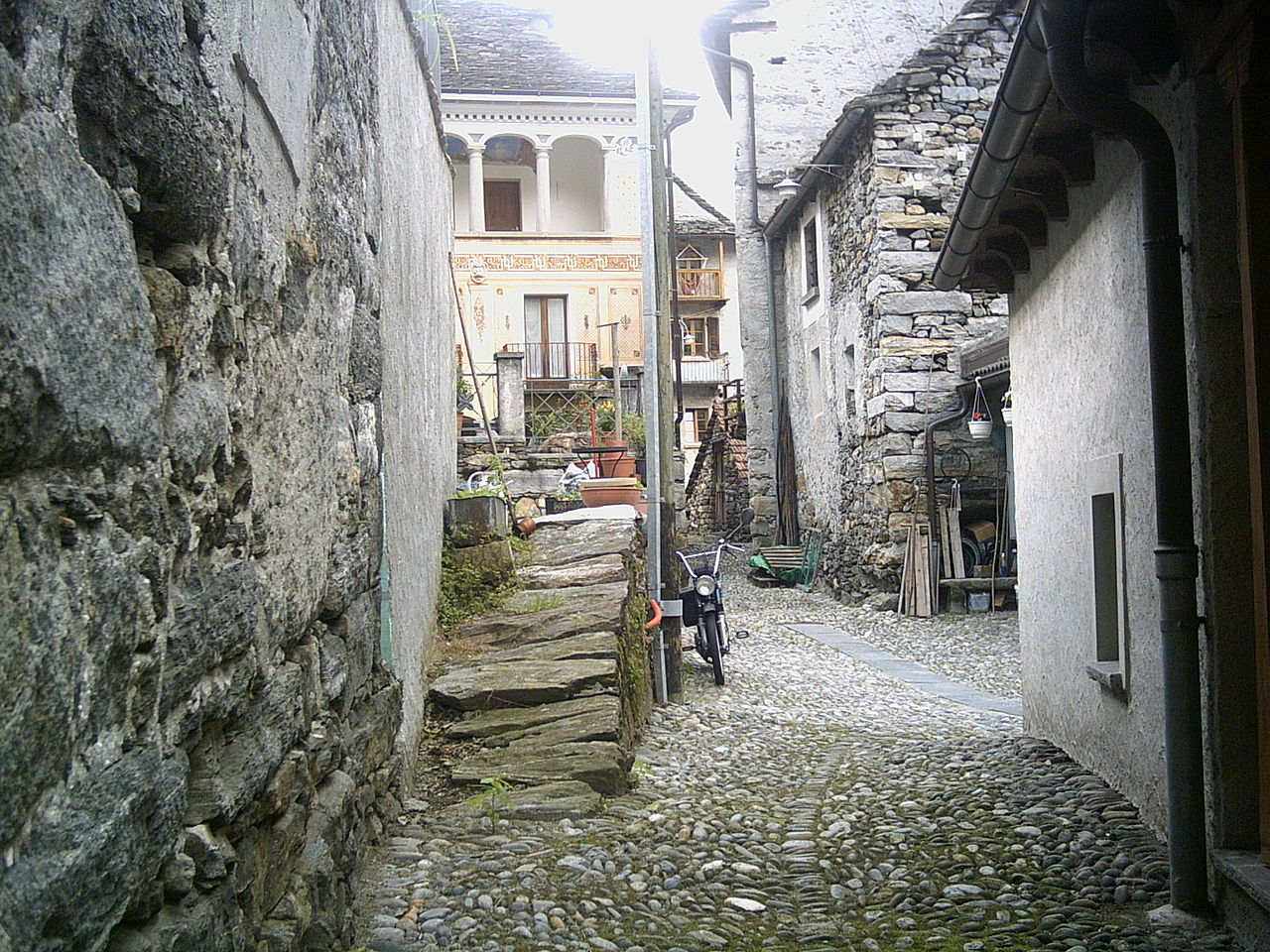
Aurigeno sits above the valley floor on terraced slopes typical of the region. Stone houses with slate roofs, narrow lanes and small cultivated plots are common features. The surrounding landscape includes chestnut woods and pastures, and the nearby Maggia river shapes the valley corridor, offering routes for walking and local travel. Climate tends to be milder than high alpine zones owing to Ticino's southerly location.
History and administration
Historically Aurigeno functioned as an independent municipality with communal institutions tied to valley life. On 4 April 2004 Aurigeno was merged with several neighbouring communes to form the larger municipality of Maggia; the merger combined Aurigeno with Coglio, Giumaglio, Lodano, Moghegno and Someo. Such consolidations were part of a broader Swiss trend to streamline local administration and pool services for small, often sparsely populated communities.
Economy, culture and daily life
Traditional livelihoods in Aurigeno included small-scale farming, chestnut cultivation and pastoralism; in recent decades many villages in the Vallemaggia have diversified into tourism, artisanal crafts and commuter-based employment in larger towns. Cultural life typically revolves around local parish activity, seasonal festivals and preservation of vernacular architecture. Visitors are often drawn to the valley for scenic walks, historic hamlets and regional cuisine influenced by northern Italian traditions.
Transport and access
Aurigeno is accessible by valley roads and regional public transport connections that link smaller villages to principal towns in Ticino. Terrain and seasonal weather can influence travel, so routes follow the main valley axis and local lanes. The village functions as part of a network of settlements that share services and infrastructure within the municipality of Maggia.
Notable facts
- Former municipality: Aurigeno ceased to be independent in 2004 when it joined Maggia.
- Setting: a typical Vallemaggia hillside hamlet with traditional stone buildings.
- Language and culture: part of the Italian-speaking area of Ticino with regional customs.
- Coordinates: see 46.233°N 8.700°E for its approximate location.
Related articles
Author
AlegsaOnline.com Aurigeno — village and former municipality in Ticino, Switzerland Leandro Alegsa
URL: https://en.alegsaonline.com/art/7401