
Lodano: village of Vallemaggia, Ticino (former Swiss municipality)
Lodano is a small Italian‑speaking village in Vallemaggia, canton Ticino, Switzerland. A former municipality, it merged into Maggia in 2004. Known for mountain scenery, traditional architecture and rural culture.
Overview
Lodano is a village and former municipality in the Vallemaggia area of the canton of Ticino in southern Switzerland. It is part of the Italian‑speaking region of the canton and lies in a steep, wooded valley typical of the Lepontine Alps. The settlement is recorded at coordinates 46°15′N 8°41′E and retains the compact layout and stone-built character common to many villages in the district.
Image gallery
4 Images


Geography and environment
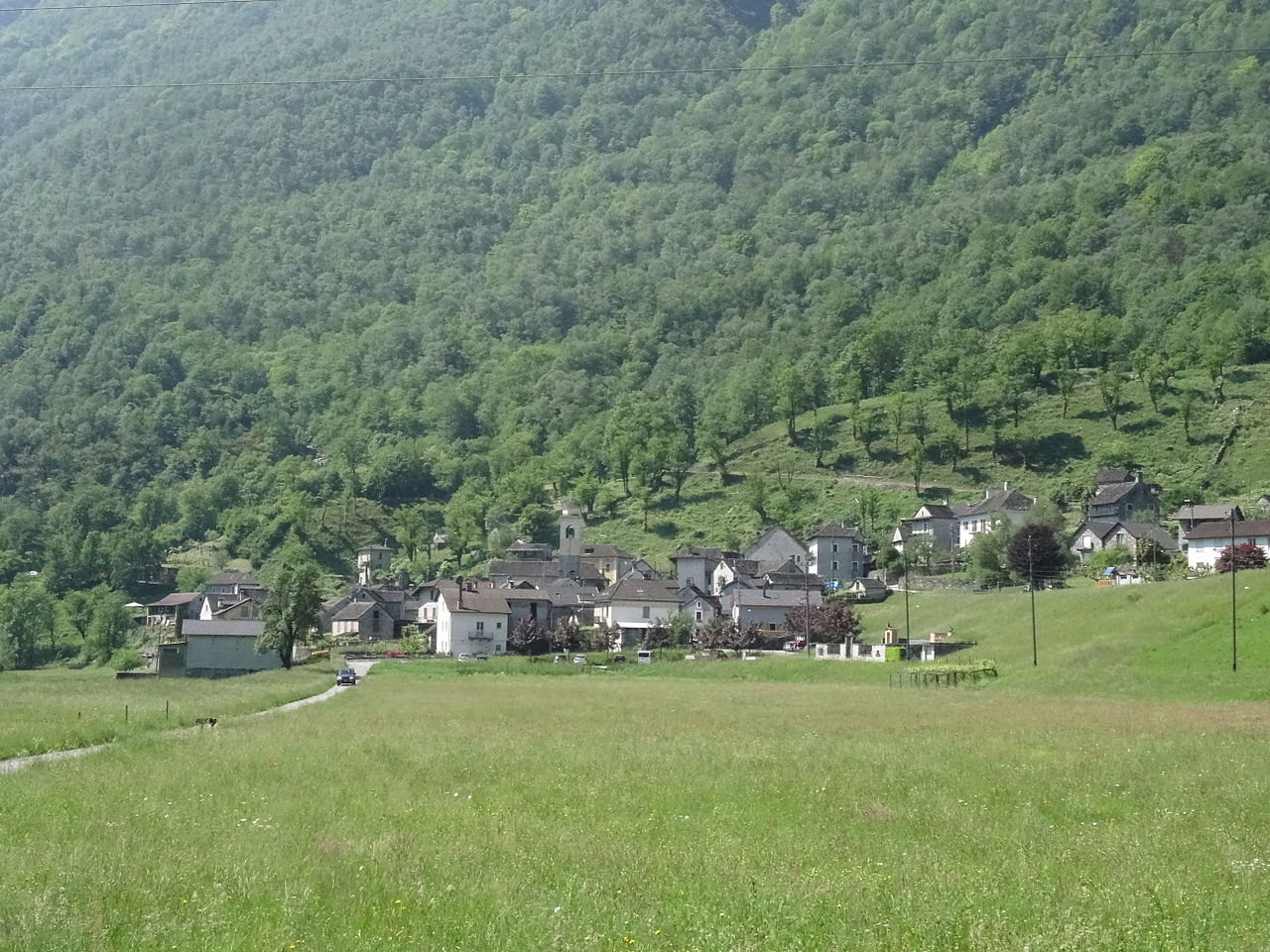
Lodano occupies a hillside position above the main valley floor, with terraced plots, chestnut groves and mixed woodland on the surrounding slopes. The local environment includes alpine pastures and narrow streams that descend toward the Maggia river. This landscape has shaped local land use: small-scale agriculture, pasture management and forestry have long been important, and local paths link Lodano with neighbouring settlements in the Vallemaggia valley.
History and municipal reorganisation
The village has medieval roots and a history of rural continuity similar to other Ticinese settlements. Administratively Lodano functioned as an independent municipality for centuries. On 4 April 2004 Lodano joined a municipal merger that combined the former municipalities of Aurigeno, Coglio, Giumaglio, Lodano itself, Moghegno and Someo to form the larger municipality of Maggia. The consolidation followed a broader Swiss trend toward merging small local authorities to streamline administration and public services.
Architecture and cultural life
Lodano’s built environment is characterised by dry‑stone walls, slate roofs and masonry houses adapted to the mountainous climate. Many buildings reflect vernacular techniques: narrow streets, small courtyards and agricultural annexes. Cultural life centres on local religious feasts, seasonal agricultural rituals and community gatherings that preserve Ticinese customs and the Italian language used in daily life.
Economy and tourism
Traditionally based on agriculture, chestnut cultivation and forestry, Lodano’s economy has diversified in recent decades. Residents may commute to larger towns, and tourism—principally hiking, nature appreciation and short‑stay rural hospitality—provides supplementary income. The village offers a quiet base for walkers exploring Vallemaggia and the surrounding natural scenery.
Access and practical information
Access to Lodano is by local valley roads linking communities along the Maggia valley to larger centres in the canton. Visitors can consult municipal and regional resources for up-to-date information: a local municipal profile, the Vallemaggia district overview, or material provided by the canton and Ticino tourist services. General national information is available through Swiss federal channels (Switzerland).
Distinctive facts
- Lodano exemplifies small mountain settlements in southern Switzerland, combining agriculture and woodland management with traditional construction.
- The 2004 merger that created Maggia is an example of municipal consolidation in Switzerland.
- Its landscape, vernacular architecture and communal traditions reflect the environmental and cultural history of Vallemaggia.
For further local context and administrative details consult the municipal and district pages linked above or regional guides that cover the Maggia valley and the wider Ticino area.
Related articles
Author
AlegsaOnline.com Lodano: village of Vallemaggia, Ticino (former Swiss municipality) Leandro Alegsa
URL: https://en.alegsaonline.com/art/58803