
Coglio — village of Vallemaggia in Ticino, Switzerland
Coglio is a small Italian-speaking village in the Vallemaggia valley (Ticino). Formerly an independent municipality, it joined five neighbors in 2004 to form the municipality of Maggia.
Overview
Coglio is a small village located in the valley of Vallemaggia. It lies within the administrative area historically known as the district of Vallemaggia and the canton of Ticino, in the Italian-speaking southern part of Ticino and the country of Switzerland. The settlement is characteristic of mountain valley villages in the region: compact clusters of stone houses, narrow lanes, and terraced land above the river.
Image gallery
3 Images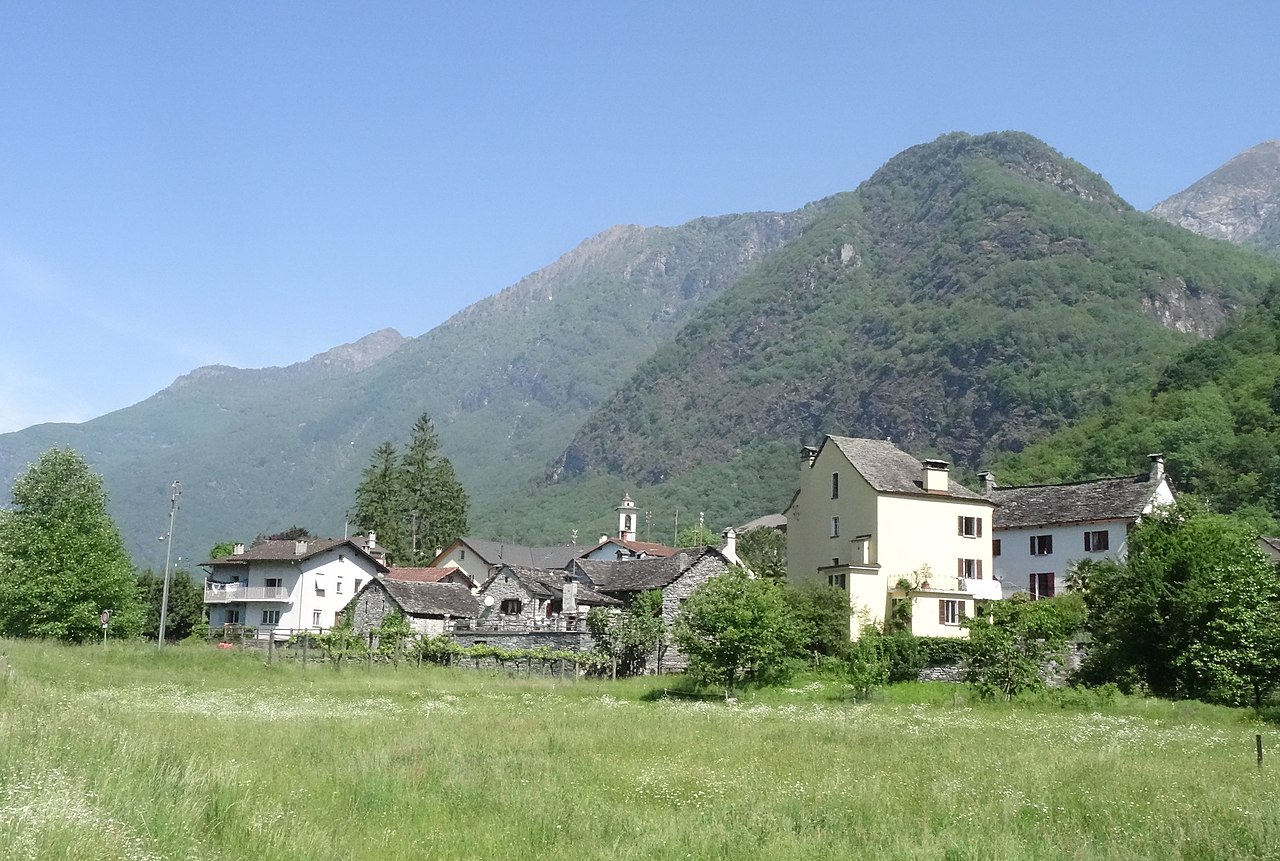


Geography and location
Coglio occupies a hillside position above the bed of the Maggia river and is accessible by the local road network that links hamlets and the larger village centers in the valley. Its precise coordinates are recorded in national registers. Surrounding landscapes include chestnut and mixed woodlands, cultivated terraces and steep slopes typical of the Lepontine Alps’ southern foothills.
History and municipal change
For centuries Coglio functioned as an independent village with local communal institutions. On 4 April 2004 it ceased to exist as a separate municipality when it merged with neighboring communes to create a larger local government unit. The merger combined Coglio with Aurigeno, Giumaglio, Lodano, Moghegno and Someo into the modern municipality of Maggia, a change driven by administrative consolidation policies common across Switzerland.
Built environment and culture
The village architecture reflects local materials and alpine building traditions: stone masonry, slate or tile roofs and compact layouts adapted to steep terrain. Public and religious buildings, small chapels and communal fountains often form focal points. Cultural life in Coglio has historically been linked to valley-wide festivals, agricultural cycles and cross-valley ties to the town centers.
Economy and access
Traditional livelihoods included small-scale agriculture, chestnut cultivation and seasonal migration for work. Today residents typically combine local activities with employment in larger towns, tourism-related services in the valley, and commuting. Access relies on valley roads and regional public transport connecting settlements to the main valleys and transport hubs.
Notable facts and distinctions
- Coglio is part of a region where Italian is the dominant language and where Swiss mountain-village culture blends with Mediterranean influences.
- The 2004 municipal merger is an example of how small Swiss communes have reorganized to pool services while preserving local identity.
- Visitors exploring Vallemaggia often include former independent villages like Coglio on walking routes that highlight traditional architecture and natural scenery.
Related articles
Author
AlegsaOnline.com Coglio — village of Vallemaggia in Ticino, Switzerland Leandro Alegsa
URL: https://en.alegsaonline.com/art/21428