
Aurora, Colorado
Aurora is a Home Rule Municipality east of Denver spanning three counties. It is known for rapid growth, cultural diversity, major medical and defense institutions, and a significant role in the Denver metropolitan area.
Overview
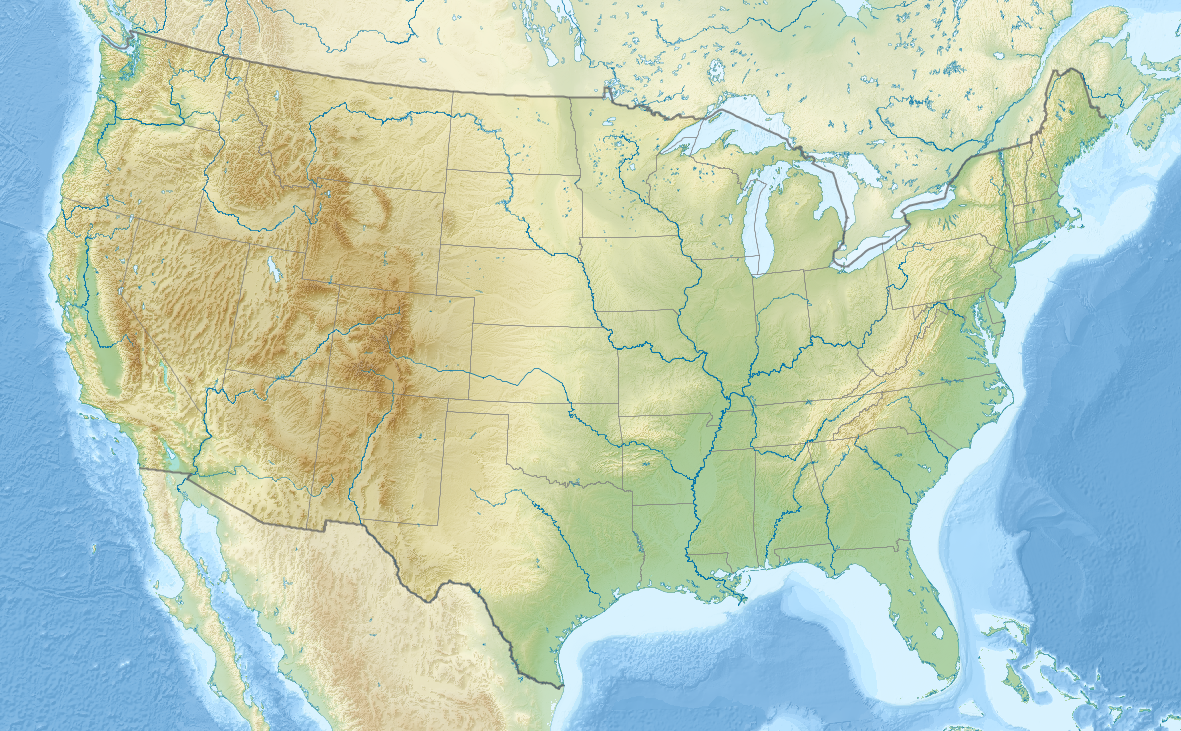
Aurora is a Home Rule Municipality in the United States, located in the state of Colorado. The city lies across parts of Arapahoe County, Adams County and Douglas County (counties), and forms a major portion of the Denver–Aurora–Lakewood metropolitan area. At the 2010 census Aurora recorded 325,078 residents and was then the third-largest city in Colorado and the 59th-largest in the United States according to the 2010 United States Census.
Image gallery
7 Images



Geography and government
Aurora sits immediately east of Denver on the high plains near the eastern edge of the Rocky Mountain Front Range. The topography is generally flat to gently rolling. As a Home Rule city, Aurora operates under a locally adopted charter and is governed by an elected mayor and council representing geographic districts; this structure allows the city to manage local services, planning and development with a degree of autonomy.
History
The community that became Aurora grew in the late 19th and early 20th centuries and expanded rapidly after World War II as part of suburban growth around Denver. Over time it shifted from largely residential subdivisions to a more mixed economy, driven by institutional investment, health care, education and defense-related facilities. Historical place names and development patterns reflect waves of migration and metropolitan expansion.
Economy and institutions
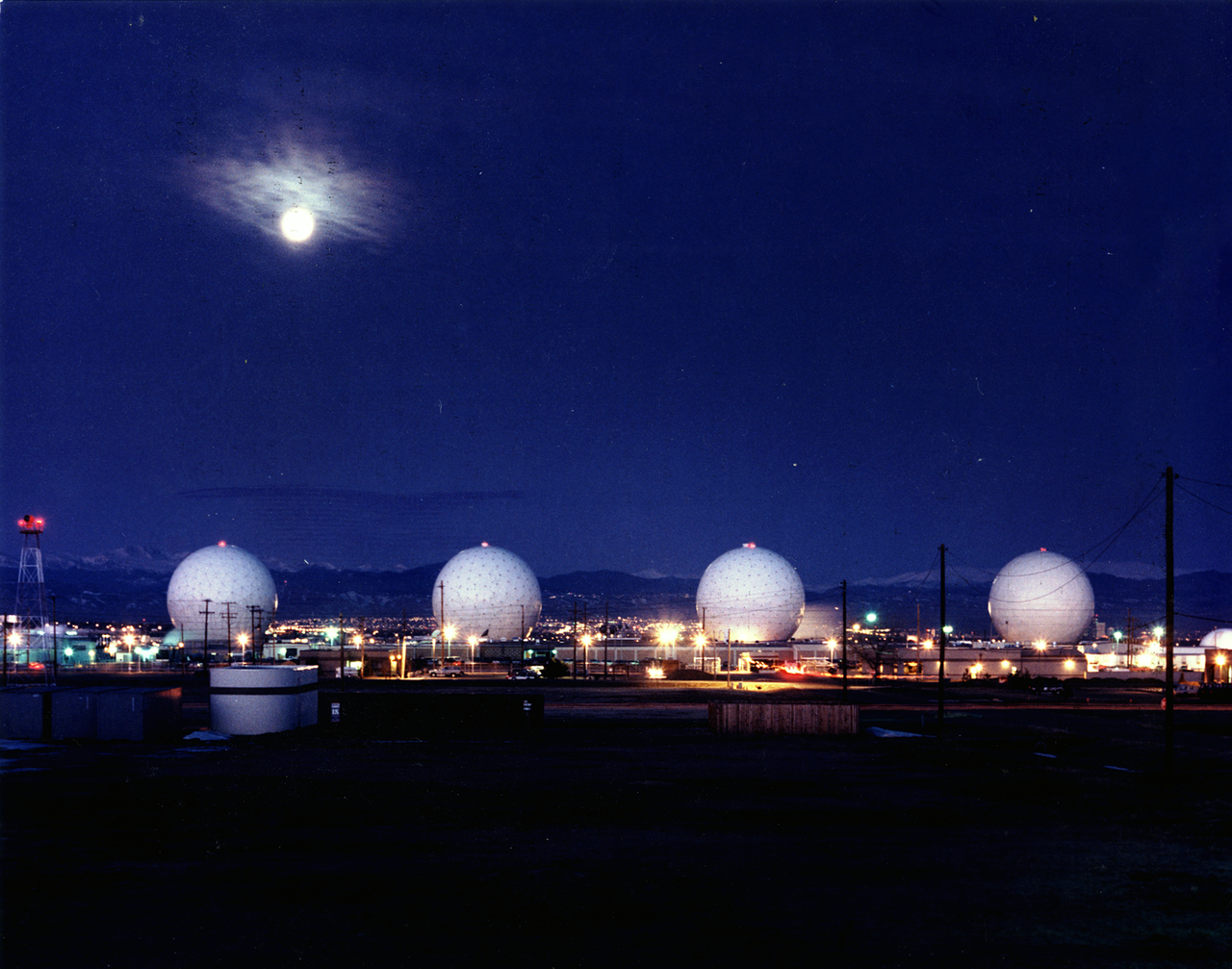
Aurora's economy is anchored by major medical and research institutions, higher education facilities and a federal defense installation. The city hosts large hospital and university medical campuses that serve as regional employers and research centers. A nearby military installation contributes aerospace and national security functions. Retail corridors, professional services and small businesses support the metropolitan market.
Demographics and neighborhoods
Aurora is ethnically and culturally diverse, with a wide mix of residential neighborhoods ranging from older postwar subdivisions to planned developments and newer mixed-use districts. The city is home to immigrant communities and a variety of religious and cultural organizations; local festivals, community centers and neighborhood associations help serve different populations and promote civic engagement.
Transportation, parks and recreation
Regional public transit links Aurora to Denver and surrounding suburbs via bus and commuter rail services, while several major highways provide commuter access. The city maintains an extensive parks system, open space and trail networks that support outdoor recreation typical of the Colorado Front Range, and it participates in regional planning for transportation, water and land use.
Role in the region
Because it spans multiple counties and hosts significant medical and defense facilities, Aurora plays an important role in the economy and infrastructure of the Denver metropolitan area. Its continued growth, diverse population and institutional base contribute to its status as one of Colorado's largest cities and an important node for health care, education and regional planning.
Related articles
Author
AlegsaOnline.com Aurora, Colorado Leandro Alegsa
URL: https://en.alegsaonline.com/art/7410
Sources
- census.gov : "U.S. Census Bureau Delivers Colorado's 2010 Census Population Totals, Including First Look at Race and Hispanic Origin Data for Legislative Redistricting"
- census.gov : "Rankings for Metropolitan Statistical Areas: April 1, 2000 to July 1, 2005"
- census.gov : "Annual Estimates of the Population of Combined Statistical Areas: April 1, 2000 to July 1, 2005"