
Oystercatcher: coastal shorebird with a specialized bill
Oystercatchers are distinctive shorebirds (genus Haematopus) with long, strong bills used to feed on bivalves and other invertebrates along coasts and mudflats worldwide.
Overview
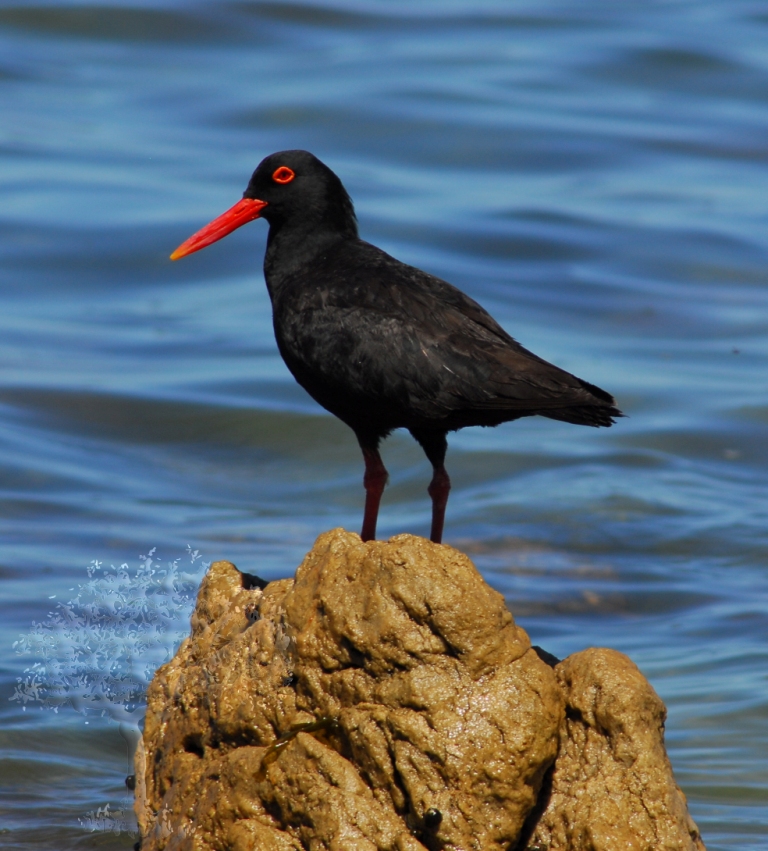
Oystercatchers are stout, ground‑feeding shorebirds of the genus Haematopus. They are best known for a long, strong, brightly colored bill that they use to pry, stab or hammer open shellfish. Well-known species include the Eurasian oystercatcher and the American oystercatcher. These birds are commonly associated with coastal habitats such as rocky shores, sandy beaches and tidal mudflats, and are familiar sights in parts of Europe and Asia as well as other regions.
Image gallery
10 Images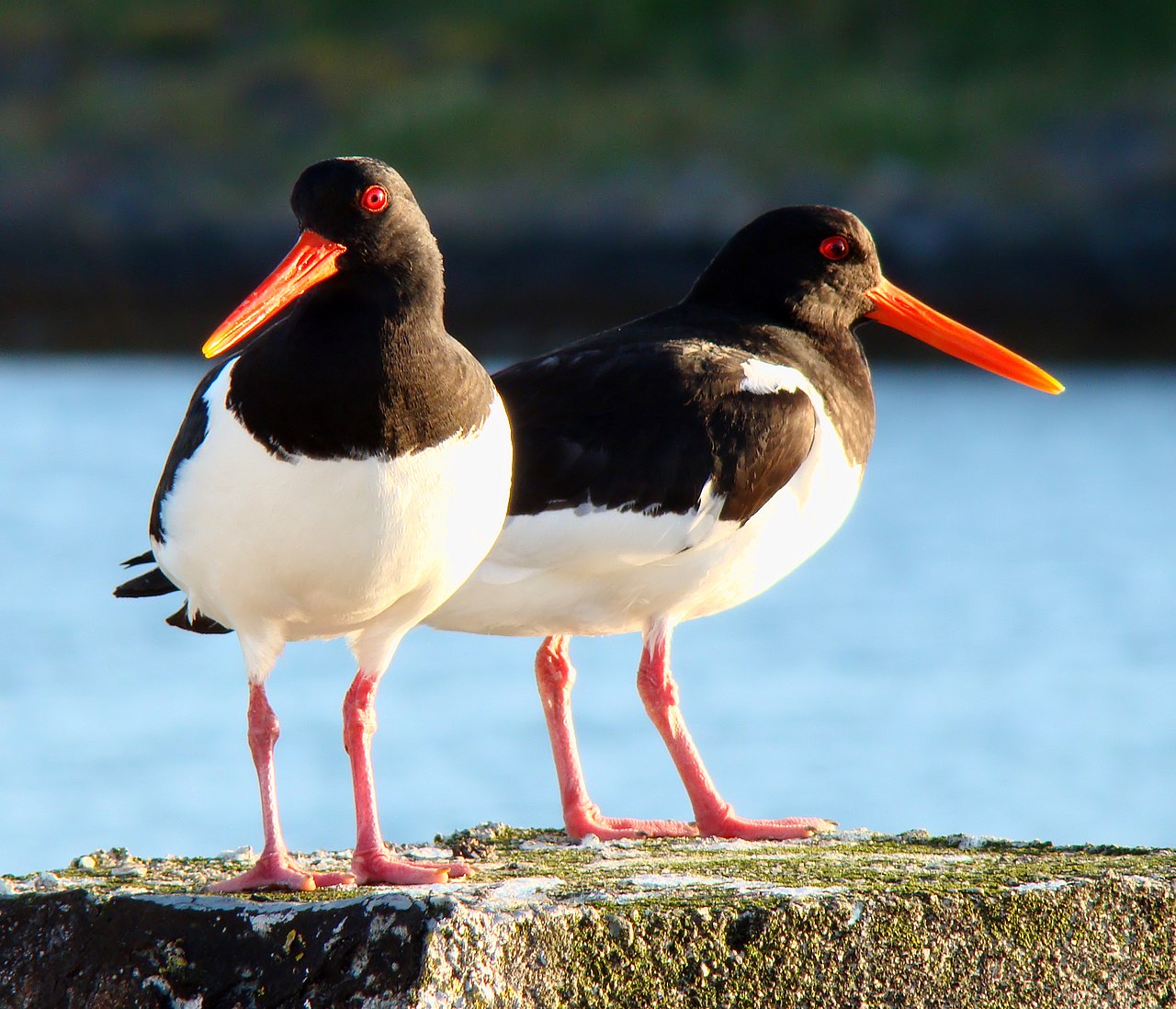



Description and behavior
Oystercatchers typically have contrasting plumage—dark head and upperparts with white underparts in many species—pinkish legs, and a long, chisel‑shaped orange or red bill. They are social at feeding sites but territorial during breeding. Most species walk conspicuously along the shoreline, probing and opening prey while remaining alert to disturbance.
Feeding techniques
Their powerful bills make oystercatchers effective predators of hard‑shelled prey. Common prey items are shellfish such as oysters and mussels, but they also take worms, crustaceans and other invertebrates. Typical tactics include:
- Prising open shells by inserting the bill between valves and severing the adductor muscle.
- Hammering or pounding shells against a hard surface—sometimes a rock—to break them.
- Probing mud or sand to extract buried prey, and picking exposed organisms off the surface.
Reproduction and life cycle
Breeding usually occurs on the ground in open sites above the high‑tide line. Nests are simple scrapes lined with vegetation or shells; eggs are cryptically colored to blend with the substrate. Both parents often defend the nest and tend chicks, which are mobile soon after hatching but require parental protection and feeding guidance.
Distribution, conservation and importance
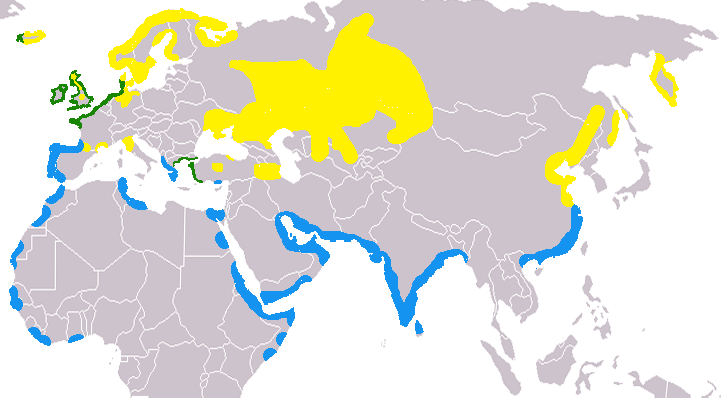
Oystercatchers inhabit temperate and tropical coastlines in many parts of the world. Some populations are resident while others undertake seasonal migrations to milder wintering areas. Conservation concerns include disturbance of nesting sites, coastal development, pollution, and declines in shellfish stocks that reduce food availability. Because they feed on commercially important bivalves and occupy visible shoreline habitats, oystercatchers are often cited in discussions about coastal management and marine resource health.
Further reading
For general species accounts and identification guides, see resources linked here: Eurasian oystercatcher overview, American oystercatcher account, regional summaries for Europe and Asia, habitat notes on beaches and mudflats, and articles about diet and feeding such as studies of shellfish, oysters, mussels, the adductor muscle technique, and the use of hard substrata like rocks as anvils.
Questions and answers
Q: What is an oystercatcher?
A: An oystercatcher is a species of bird that lives around Europe and Asia.
Q: What do oystercatchers usually eat?
A: Oystercatchers usually eat shellfishes that are found on beaches and mud.
Q: How does the Eurasian Oystercatcher open the shells of oysters and mussels?
A: The Eurasian Oystercatcher uses its sharp bill to open the shells of oysters and mussels.
Q: What does the Eurasian Oystercatcher do to eat the oyster inside the shell?
A: The Eurasian Oystercatcher cuts the muscle between the two halves of the shell together, or it crashes the shell against a rock and eats the oyster inside.
Q: Where does the oystercatcher live?
A: The oystercatcher lives around Europe and Asia.
Q: What is the diet of the oystercatcher?
A: The diet of the oystercatcher consists of shellfish found on beaches and mud.
Q: How does the Eurasian Oystercatcher use its sharp bill?
A: The Eurasian Oystercatcher uses its sharp bill to open the shells of oysters and mussels.
Related articles
Author
AlegsaOnline.com Oystercatcher: coastal shorebird with a specialized bill Leandro Alegsa
URL: https://en.alegsaonline.com/art/73843
Sources
- iucnredlist.org : "Haematopus ostralegus"
- blogs.scientificamerican.com : blogs.scientificamerican.com