
Ourense — city in Galicia, Spain
Ourense is the capital of the Ourense province in Galicia, northwestern Spain, notable for its ancient thermal springs, Roman and medieval heritage, and position on the Portuguese Way of the Camino de Santiago.
Overview

Image gallery
8 Images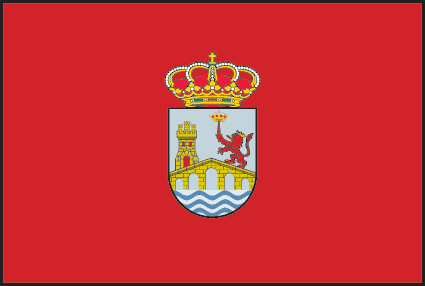


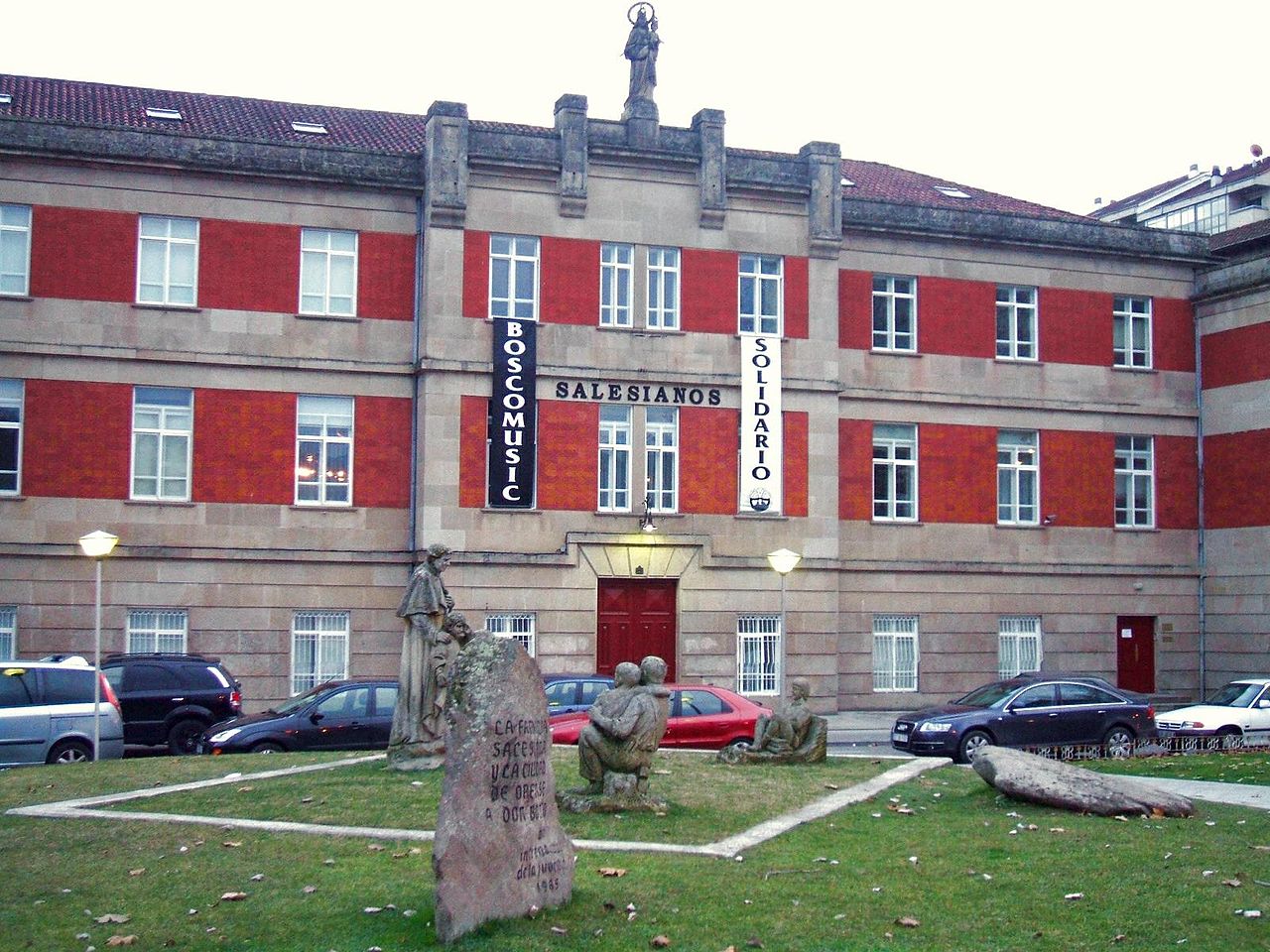
Geography and notable features

History and development
The origins of Ourense reach back to Roman times, when thermal springs and a strategic river crossing attracted settlement. Over the Middle Ages the town grew around its bridges and religious institutions. Many buildings show layers of architectural styles from different periods, including elements of Roman, Romanesque and later Gothic and Baroque influence. The cathedral dedicated to Saint Martin is one of the city's principal historic monuments.
Culture, economy and institutions
Today Ourense functions as an administrative and service center for the surrounding rural province. Public administration, education, small industry and tourism linked to heritage and thermal facilities are important parts of the local economy. The city hosts cultural events and traditional festivals rooted in Galician customs. Visitors often combine sightseeing with visits to public and private thermal complexes that make use of the natural hot springs.
Notable facts and distinctions
- Thermal baths: the nickname "A cidade das Burgas" highlights the significance of the springs and spa traditions; information about the main springs and modern facilities can be found via local guides (hot springs resources).
- Pilgrimage route: Ourense is located on the Portuguese Way of the Camino de Santiago, making it a frequent stop for pilgrims and long-distance walkers (Camino routes).
- Language and identity: the city is a center of Galician language and culture within Galicia and broader Spain.
- Heritage sites: its cathedral, historic bridges and thermal quarters reflect a layered urban history that attracts both visitors and scholars.
For practical visitor information, transportation options and local events, consult official tourism sources and municipal pages that provide up-to-date guidance and service details (Spanish-language resources).
Related articles
Author
AlegsaOnline.com Ourense — city in Galicia, Spain Leandro Alegsa
URL: https://en.alegsaonline.com/art/73630
Sources
- turismodeourense.gal : "As Burgas: Termas con historia"
- viajar.elperiodico.com : "Ourense, la segunda ciudad termal de Europa"