
Oviedo — capital of the Principality of Asturias, northern Spain
Oviedo (Asturian: Uviéu) is a historic city in northern Spain and the administrative, cultural and university center of the Principality of Asturias, noted for pre‑Romanesque monuments and cider culture.
Oviedo (Asturian: Uviéu) is a city in northern Spain (Spain) that serves as the capital of the Principality of Asturias (Asturias). It is an administrative and cultural hub for the region and had a population of about 220,406 in 2020. The city combines a compact historic centre with residential neighbourhoods and green hills to the north.
Image gallery
10 Images



Geography and character
Oviedo lies inland from the Asturias coast, set among rolling foothills that lead to the Cantabrian Mountains. The urban area is noted for its tree‑lined avenues, parks and a pedestrianized old quarter. The climate is oceanic, with mild temperatures and relatively high rainfall compared with central Spain, which supports lush vegetation and a landscape of orchards and pastures around the city.
History and monuments
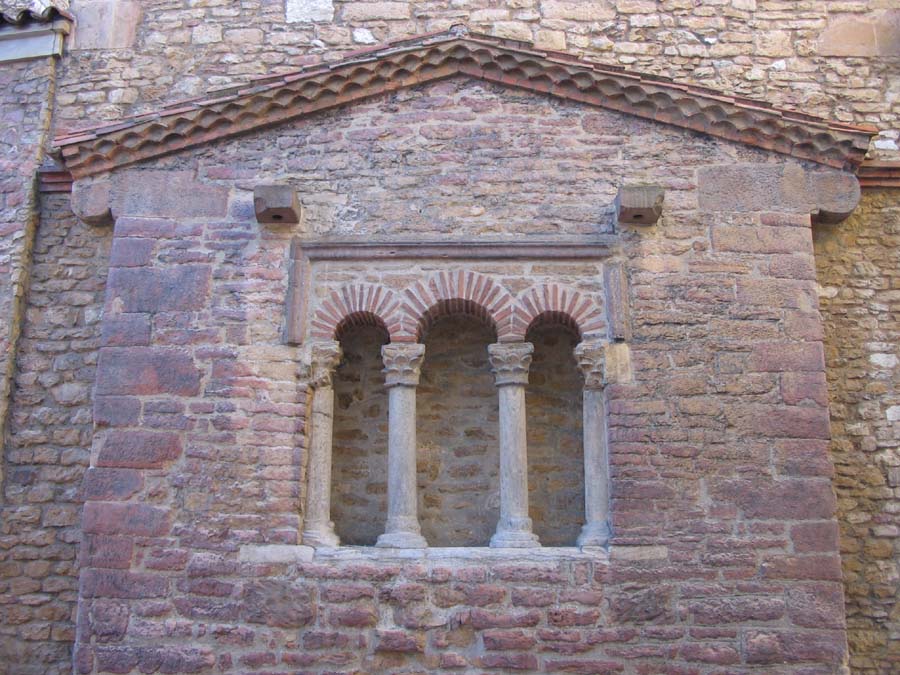
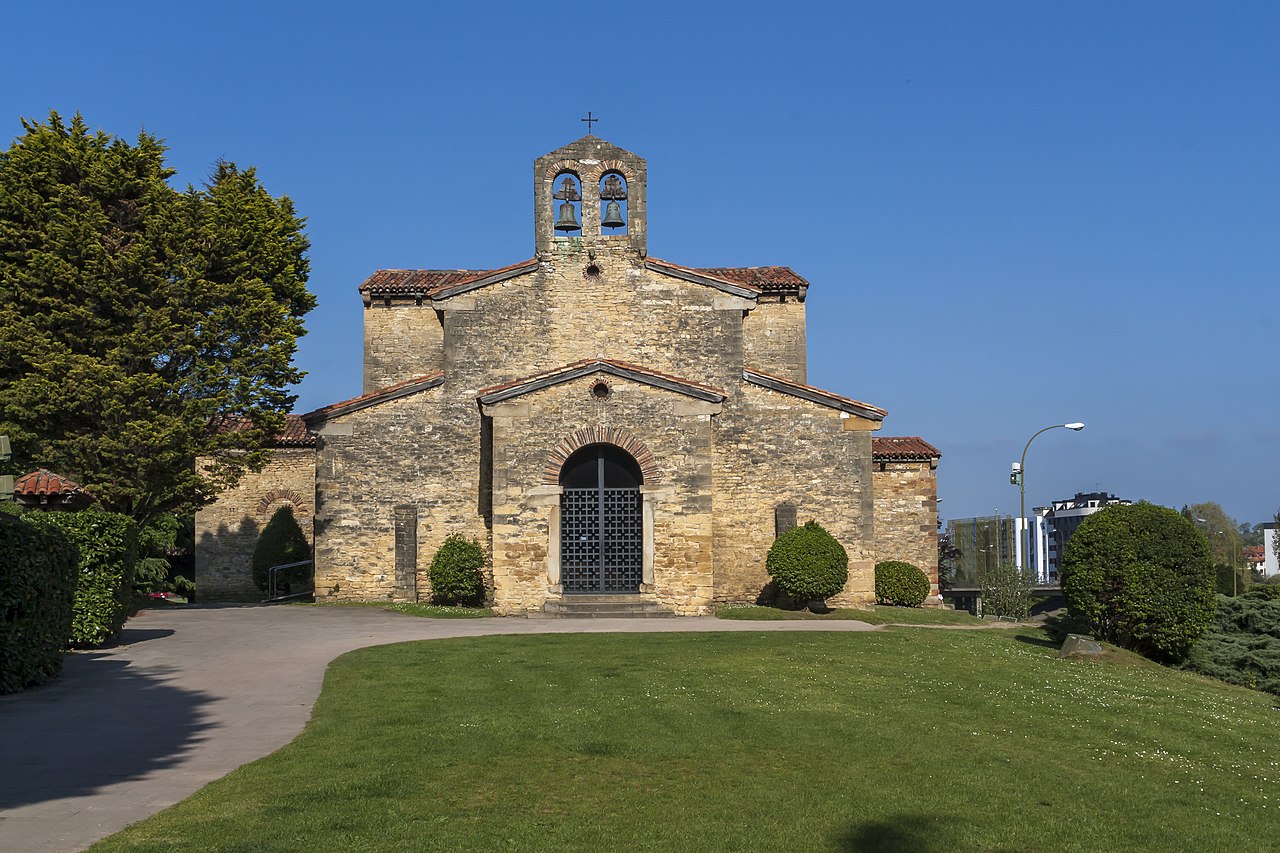
The origins of Oviedo date to the early medieval period when it became an important religious and political centre in the Kingdom of Asturias. Several early medieval churches survive, and a group of pre‑Romanesque monuments connected to the Asturian monarchy are particularly significant. These sites, together with the Cathedral of San Salvador, reflect the city’s role in the formation of the Christian kingdoms of northern Iberia.
Culture, education and landmarks
Oviedo is home to a historic university and a variety of cultural institutions, theatres and museums. The city has an active calendar of festivals and events and is closely associated with Asturian traditions such as cider production and regional cuisine. Notable places include:
- The Cathedral of San Salvador and its historic cloisters;
- Pre‑Romanesque monuments on Monte Naranco, which are widely recognised for their architectural value;
- Museums, theatres and a compact old town with artisan shops and cafes.
Economy and transport
As a regional capital, Oviedo’s economy is dominated by public administration, education, health services and retail. The city also functions as a service centre for surrounding rural areas. Transport links include regional rail and road connections; the nearest commercial airport serves the wider Asturias region.
Importance and distinguishing facts
Oviedo is valued for its concentration of early medieval architecture and its role as the political and cultural centre of Asturias. Visitors and scholars often note the preservation of historic streets, the visibility of Asturian language and traditions, and the blend of civic institutions with lively local customs. For practical visitor information and official resources, regional and municipal pages provide schedules, museum details and festival dates.
Related articles
Author
AlegsaOnline.com Oviedo — capital of the Principality of Asturias, northern Spain Leandro Alegsa
URL: https://en.alegsaonline.com/art/73746