
Ouagadougou — capital and largest city of Burkina Faso
Overview of Ouagadougou: its history, role as Burkina Faso's capital, urban life, economy, culture, climate, infrastructure, education and social challenges.
Overview
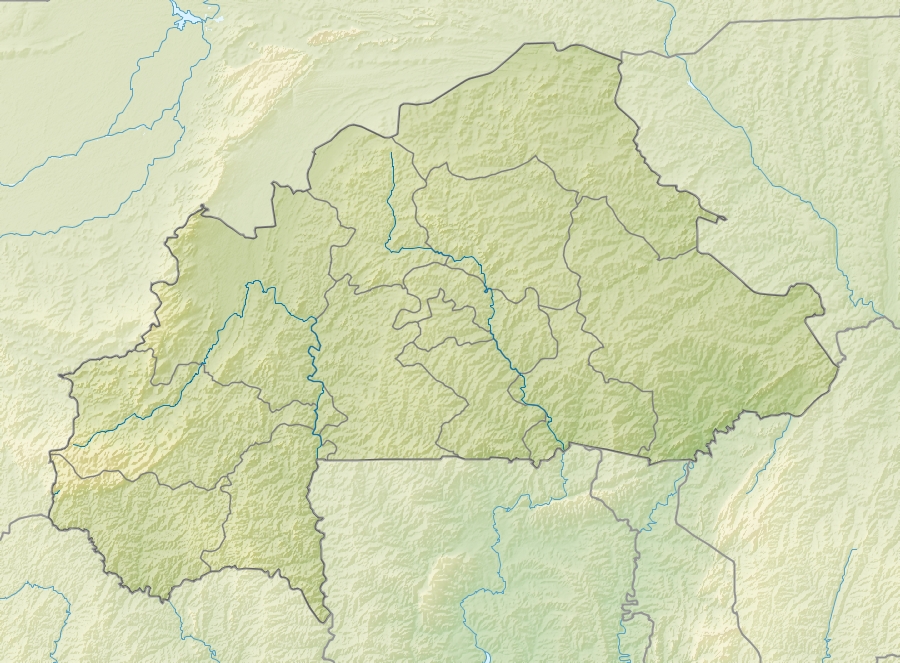
Ouagadougou is the administrative, political and cultural capital of Burkina Faso and the country's largest urban centre. Located on the central plateau, the city serves as the main hub for national government, commerce and transport. French is the official language of administration, while a range of local languages such as Mooré are widely spoken in daily life; see language notes at language and public life. As the national capital, Ouagadougou plays a central role in the identity and governance of the country.
Image gallery
10 Images




Origins and development
The modern city grew from the political institutions of the Mossi kingdoms and expanded during the colonial period into the administrative centre of the territory. Over the twentieth century it developed municipal institutions, public buildings and neighbourhoods that reflect both traditional settlement patterns and planned urban growth. Its position as the capital has shaped demographic change, land use and infrastructure priorities.
Economy and daily life
Ouagadougou's economy is dominated by a large informal sector alongside public services, trading and small industry. Markets, workshops and craft producers are important sources of livelihood: artisans produce textiles, leather goods and handicrafts in neighbourhood workshops (textiles and crafts). Food markets, small-scale processing and street vendors make up much of the city’s commerce (food markets and processing), while formal enterprises and government employment concentrate in central districts.
Culture, festivals and public life
The city is a major cultural centre in West Africa, known for music, performance and film. Ouagadougou hosts well-known regional festivals and events that attract artists and audiences from across the continent, and it supports theatres, galleries and community cultural centres. Higher education institutions contribute to cultural life and research activities; see information on universities and institutes. At the same time, many residents face barriers to education and literacy, an enduring development concern discussed under poverty and social challenges.
Government, administration and civic life
Municipal governance is organised through an elected mayor and city council, and the mayoral office is an important local institution chosen by regular municipal elections (mayoral office). National ministries, diplomatic missions and public agencies are concentrated in the capital, reinforcing Ouagadougou’s central role in national decision-making and public administration.
Climate and environment
Ouagadougou lies in a tropical savanna (wet-and-dry) climate zone. The city experiences hot temperatures for much of the year, with a pronounced rainy season and a longer dry season during which dry Harmattan winds can affect air quality and temperatures. Local climate patterns shape agricultural cycles in surrounding areas and influence urban water management and planning; see regional climate notes at regional climate.
Infrastructure and transport
The city's transport network includes regional roads and an international airport that link Ouagadougou with other parts of the country and neighbouring states. Within the city, a mix of buses, taxis and motorcycle taxis provide daily transport for residents. Urban infrastructure development is ongoing, with priorities that include road maintenance, water supply, sanitation and expansion of public services to growing neighbourhoods; for economic and transport context consult city economy and demographics.
Education, health and social challenges
Ouagadougou hosts several higher education institutions and research centres that serve students from across the country and the region (higher education and research). Despite these institutions, access to quality education, health care and basic services remains uneven across the city. Poverty, limited access to formal employment and gaps in literacy and schooling are persistent development issues addressed by national and local programs; background material is available under poverty and development.
Tourism and attractions
Visitors to Ouagadougou find markets, craft centres and cultural venues that reflect the city’s artistic traditions. Public squares, museums and open-air events showcase music and visual arts, while local markets offer textiles, artisan work and regional foods. These sites are often included in guides to the city's cultural and commercial life; see local craft and market information at crafts and textile sector and food markets and processing.
Urban challenges and resilience
Ouagadougou faces the typical challenges of rapidly growing capitals: expanding informal settlements, pressure on services, and the need for sustainable planning and economic opportunities. Municipal leaders, community organisations and international partners work on projects to improve housing, sanitation, education and livelihoods while seeking to strengthen local governance and resilience in the face of environmental and economic pressures (local government and mayor).
Further information
Related articles
Author
AlegsaOnline.com Ouagadougou — capital and largest city of Burkina Faso Leandro Alegsa
URL: https://en.alegsaonline.com/art/73573
Sources
- world-gazetteer.com : "World Gazetteer"
- britannica.com : "Ouagadougou | Facts & History"
- gouvernement.gov.bf : "Bienvenue sur le site Officiel du Premier Ministère du Burkina Faso" · web.archive.org
- alertnet.org : Reuters AlertNet
- lyon.fr : "Partner Cities of Lyon and Greater Lyon"
- english.taipei.gov.tw : Ouagadougou and Taipei establish sister cities link · web.archive.org
- web.tcc.gov.tw : "Taipei – International Sister Cities"